

Lebanon opens 36 new model libraries in public schools to strengthen reading skills, support learning recovery, and promote critical thinking among children.
36 new school libraries to open across Lebanon
36 new school libraries to open across Lebanon
By The Beiruter | January 13, 2026

Reading time: 3 min
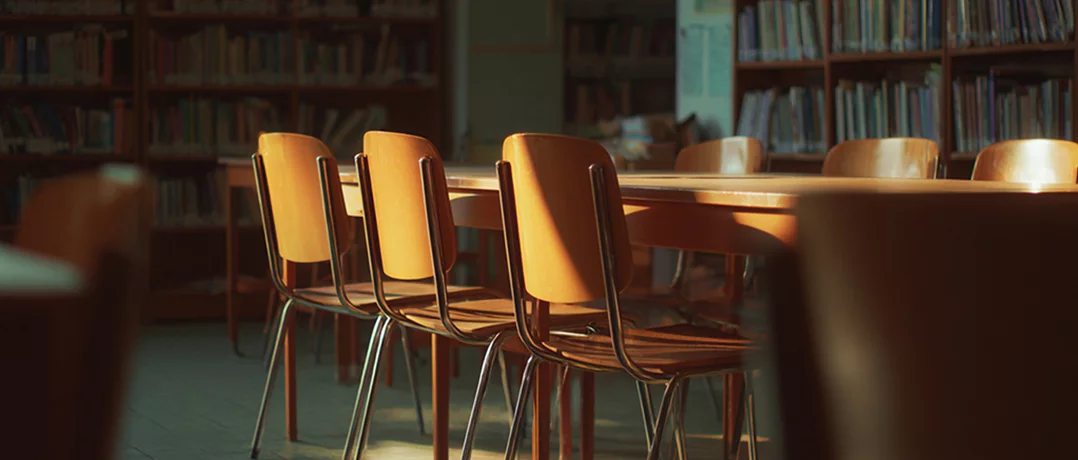
A powerful intervention is taking place inside classrooms: the opening of 36 new model libraries in public schools across the country. The initiative, launched under the project “Reaching All Children” (RAC) and funded by international literacy organization “Room to Read”, aims to strengthen reading habits among students and rebuild learning environments that go beyond rote memorization.
Inside the project: What the 36 school libraries will offer
In an exclusive with The Beiruter, Dr. Rami Lakkis, founder of the Lebanese Organization for Studies and Training (LOST) which launched the initiative alongside the ministry, said the project will establish 36 libraries in public schools across Lebanon, with a focus on strengthening reading skills from early stages.
“We are opening libraries in 36 public schools, and the goal is to activate reading inside schools,” Lakkis explained. “These libraries serve three main objectives: first, strengthening Arabic language skills; second, developing a daily reading habit; and third, expanding children’s imagination and knowledge.”
The project is funded by the international education organization “Room to Read”, which supports literacy programs worldwide. According to Lakkis, this initiative represents one of the first long-term structured partnerships between LOST and the Ministry of Education.
“What makes this partnership different is that it’s not only about setting up libraries,” he said. “We will also train educators to conduct read-aloud sessions in Arabic, so students benefit directly from interactive reading, not just from having books on shelves.”
He added that the training will be implemented in coordination with the Ministry of Education and extended across participating public schools to ensure consistency in teaching methods and reading engagement. “This is a joint effort between us and the ministry,” Lakkis said. “The aim is to make reading part of daily school life, not just an occasional activity.”
According to PISA 2022 results, more than 60% of students in middle- and low-income countries fail to reach minimum reading proficiency, a weakness that directly affects performance across all subjects and increases the risk of school dropout, a reality Lebanon is increasingly facing.
The 36 libraries are designed as child-friendly learning environments, encouraging storytelling, group reading, and discussion, shifting students from passive learning to active engagement. This builds on earlier phases that already established 45 model libraries in regions including Baalbek-Hermel, the Bekaa, Beirut, and Mount Lebanon, alongside the distribution of nearly 100,000 storybooks to schools nationwide.
Reading as social recovery
Initiatives that strengthen foundational skills, especially reading, may be among the most sustainable investments the country can make. In a system struggling to hold itself together, sometimes the most powerful reform begins with something simple: a child, a book, and a quiet space to imagine a future.
-
-

-
The Beiruter
-
