The Beiruter
Editors' pick
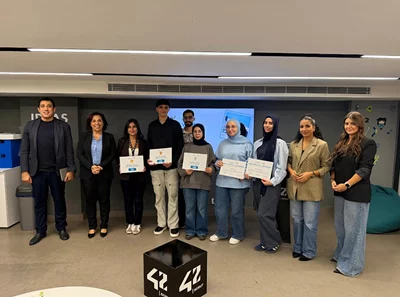
The Beiruter x 42 Beirut champion young tech writers in first joint competition










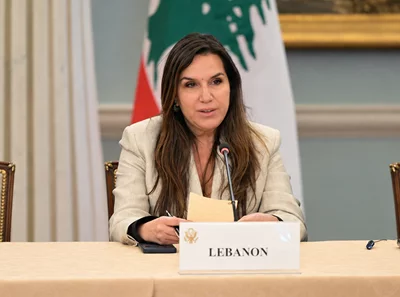
Lebanon's Ambassador to Washington … unabated


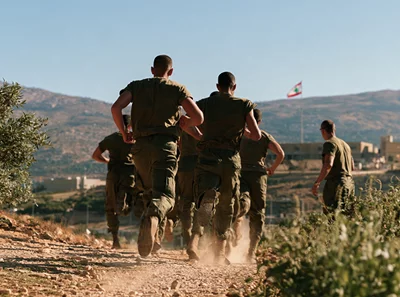







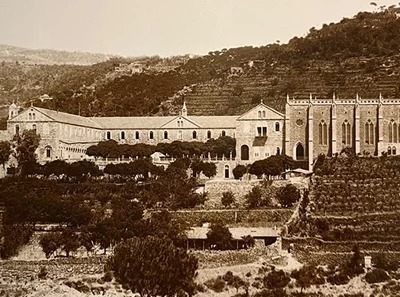
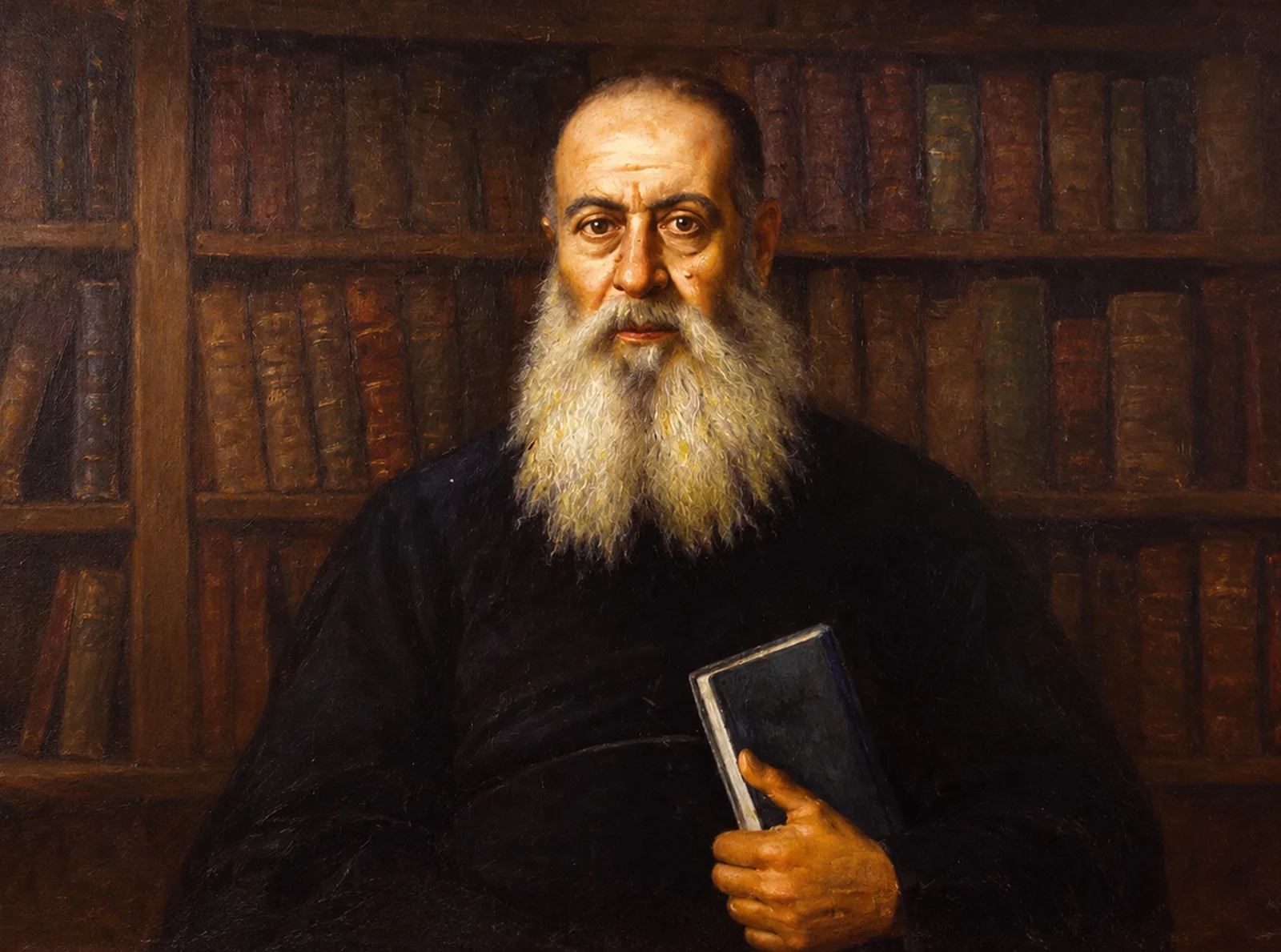
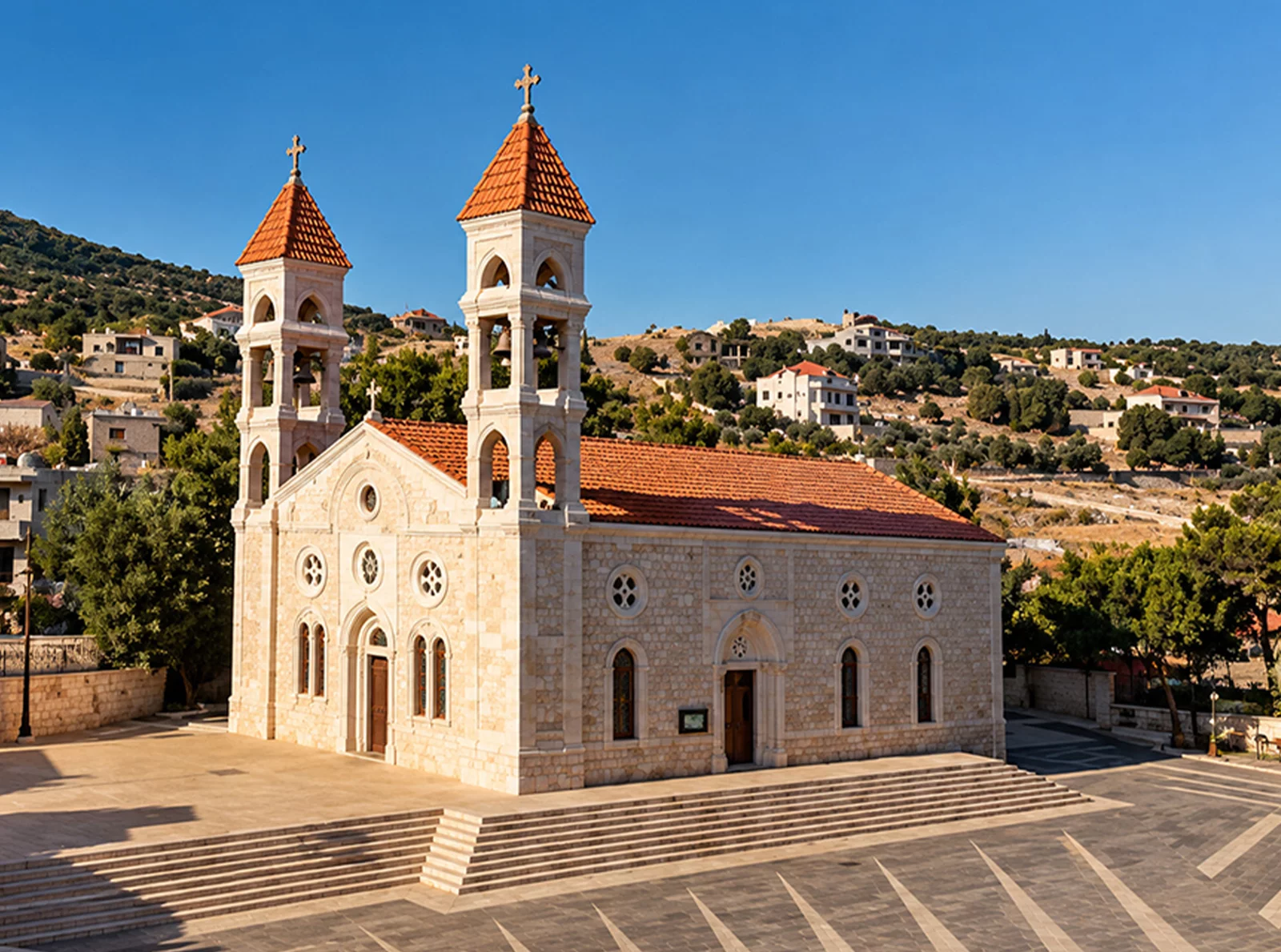
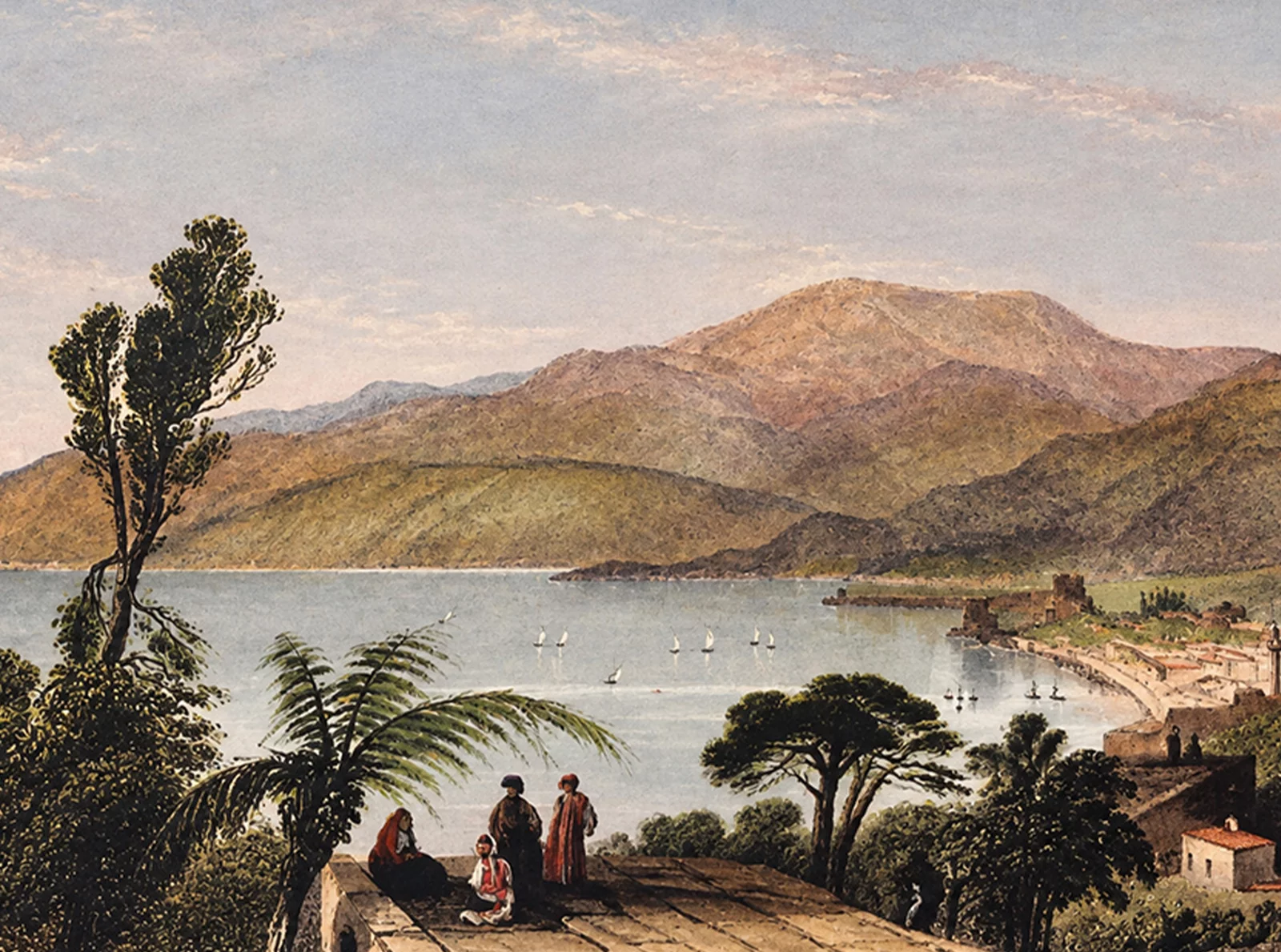
Lebanon’s oldest schools that shaped generations
Long before today’s schools, these institutions were already teaching generations of Lebanese. From École des Trois Docteurs to Saint Joseph–Antoura and Makassed, this article explores the stories, struggles and legacies behind some of Lebanon’s oldest schools.


Politics


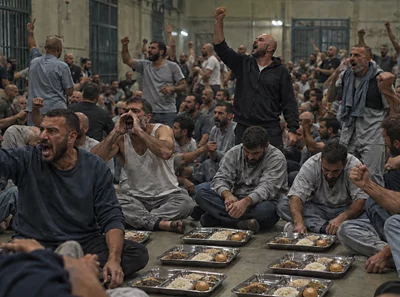
Why are civilians still tried before Lebanon’s military courts?

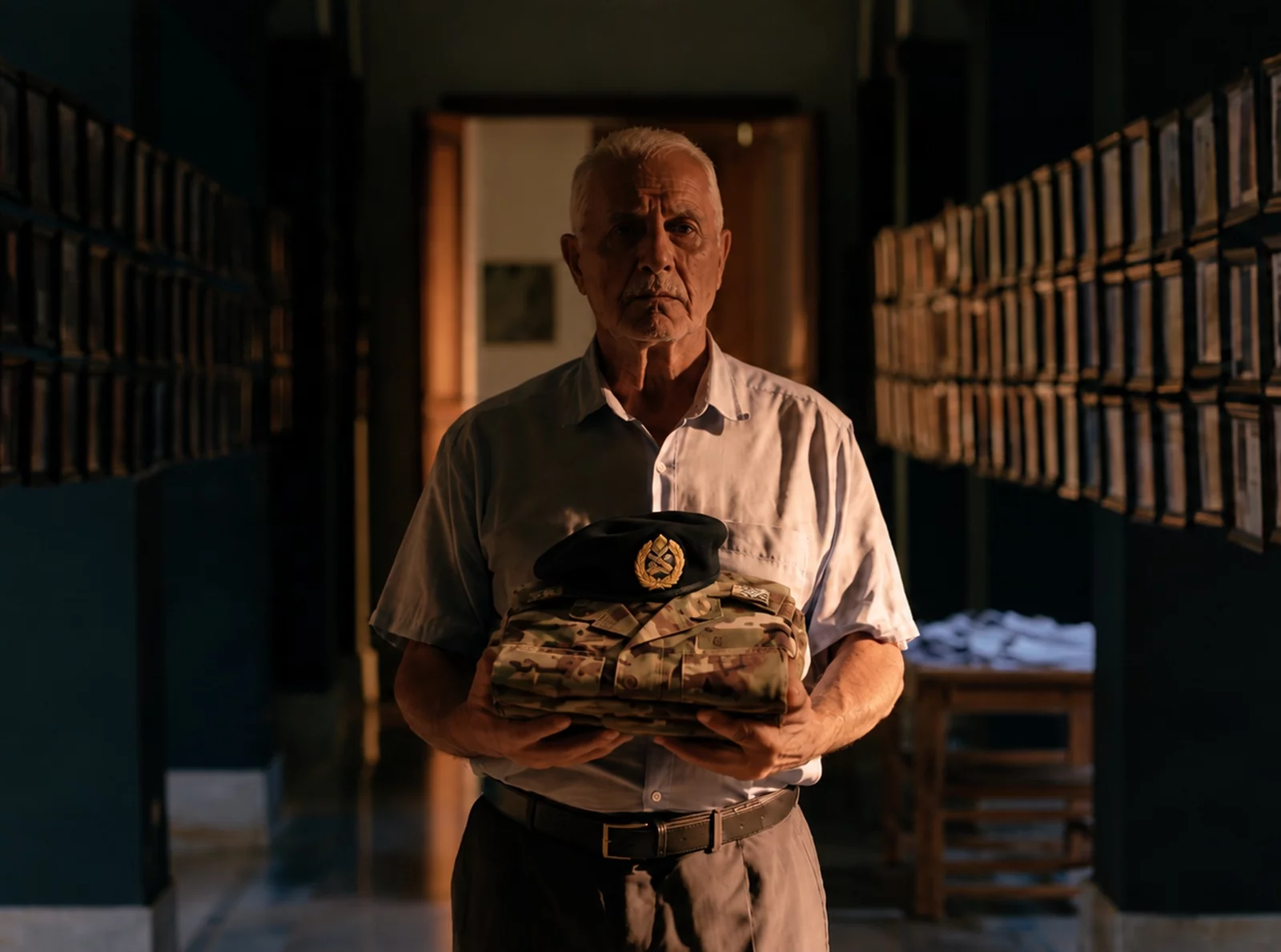
The uncertain future of Lebanon’s retired army officers





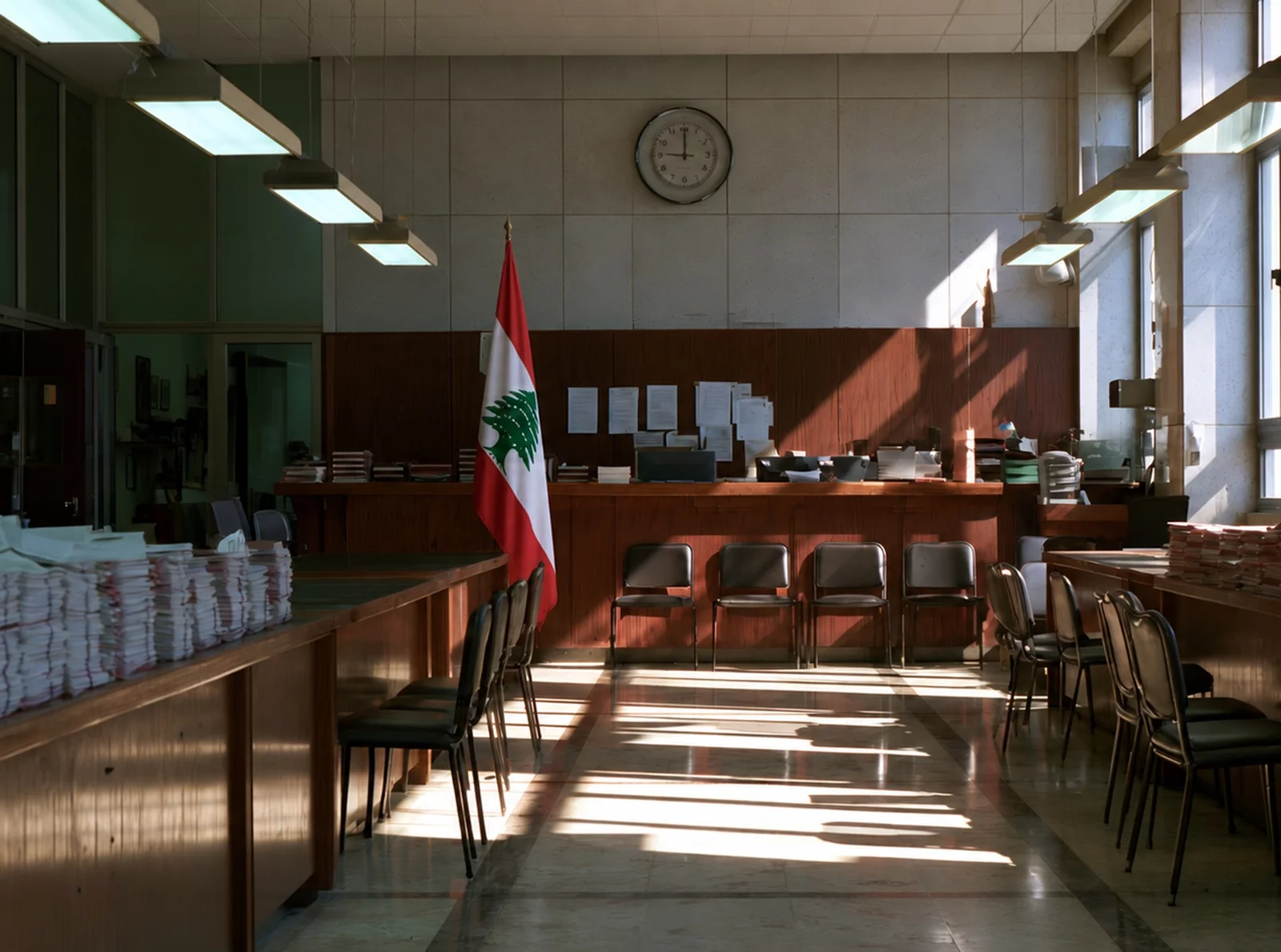
Balancing between public sector workers’ rights and state continuity
















Economy



The business of influence in Lebanon




Rebuilding from within: Nawraj’s economic vision for South Lebanon
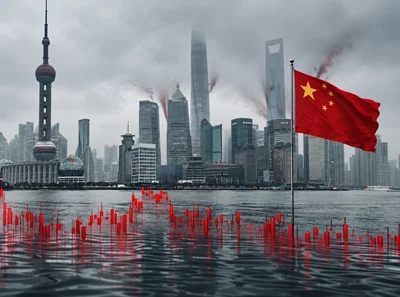
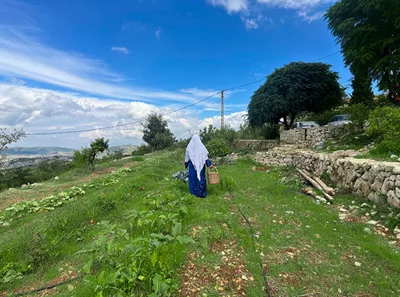
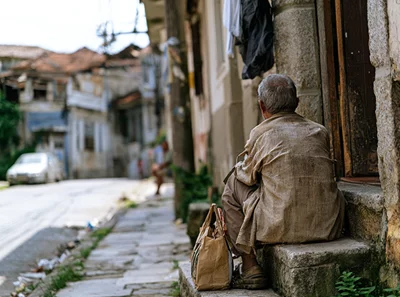
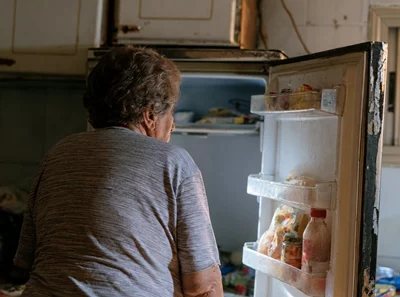
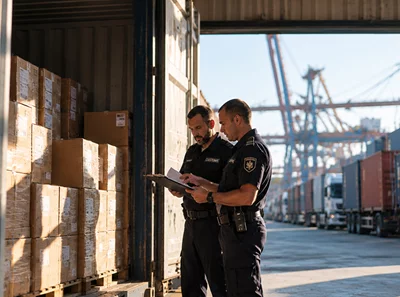
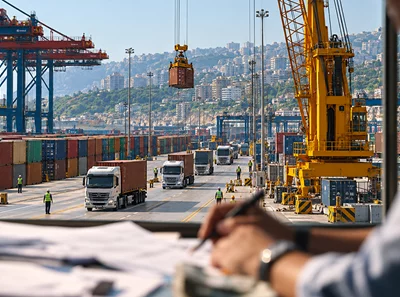
Beirut and Tripoli Ports enter the race for global trade routes
Lebanon’s ports of Beirut and Tripoli are entering a new phase after joining the India–Middle East–Europe Economic Corridor, creating an opportunity to reconnect the country with global trade routes, attract investment and revive its maritime sector, but success will depend on infrastructure upgrades, customs reforms and the ability to turn agreements into concrete economic gains.



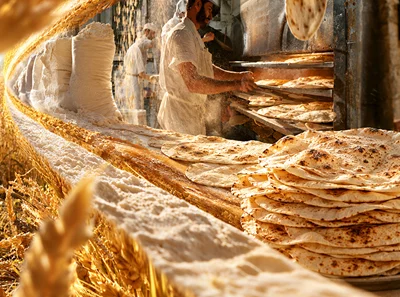


The global economy moved, its institutions are catching up
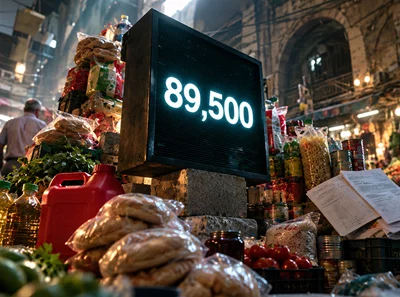


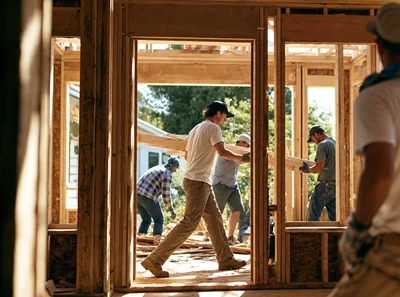
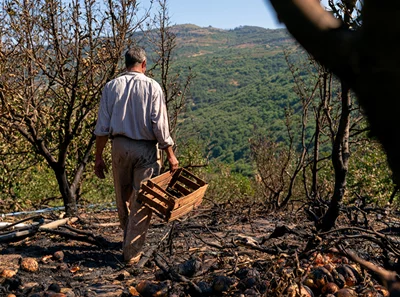

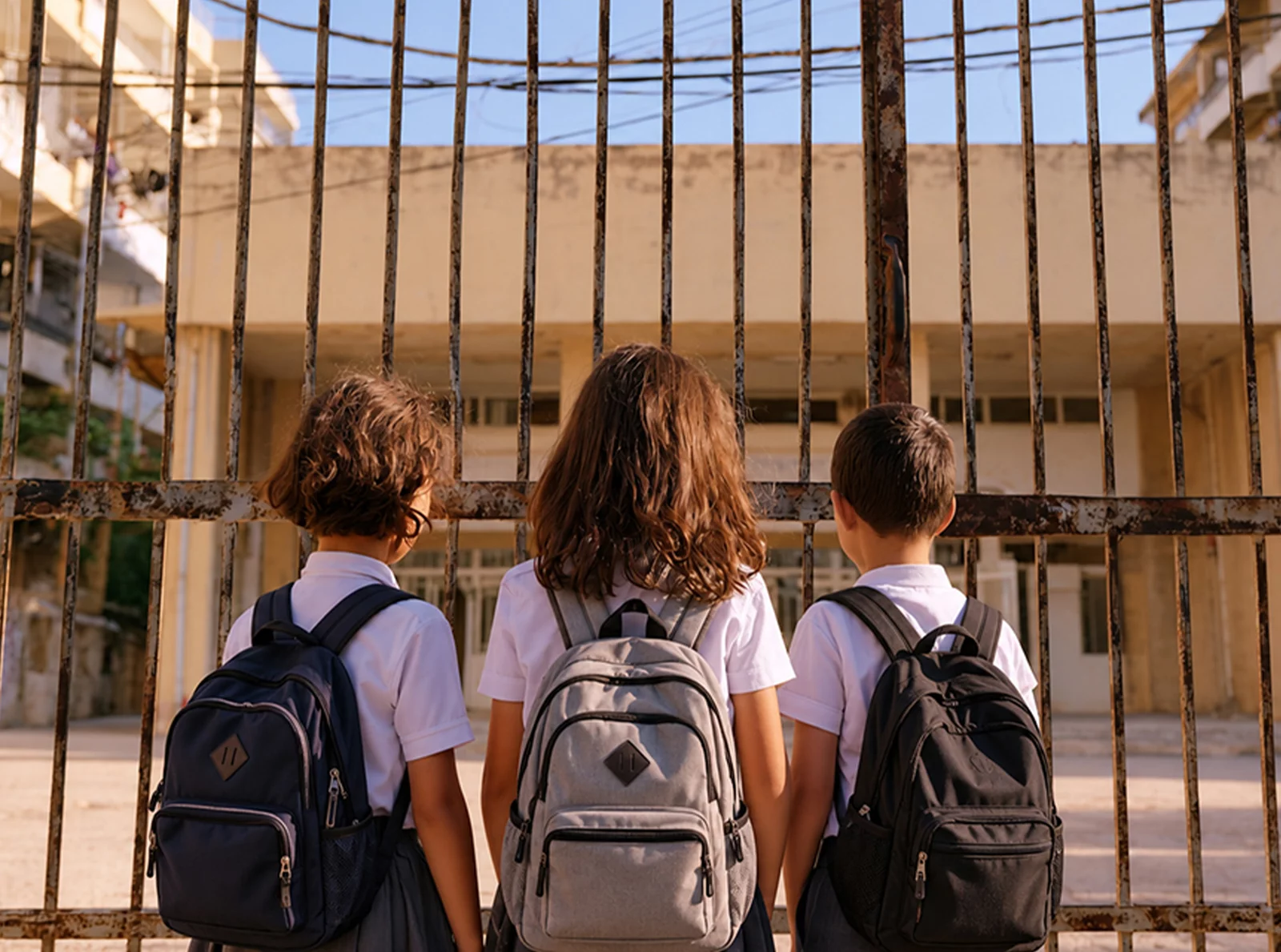
Can young Lebanese truly afford independence?
For many young Lebanese, having a place of their own remains difficult to achieve in today’s economic reality. Between rising living costs, expensive rent and family responsibilities, what does independence really look like for Lebanon’s younger generation?



Foreign investment is a game of fewer, bigger bets






The B

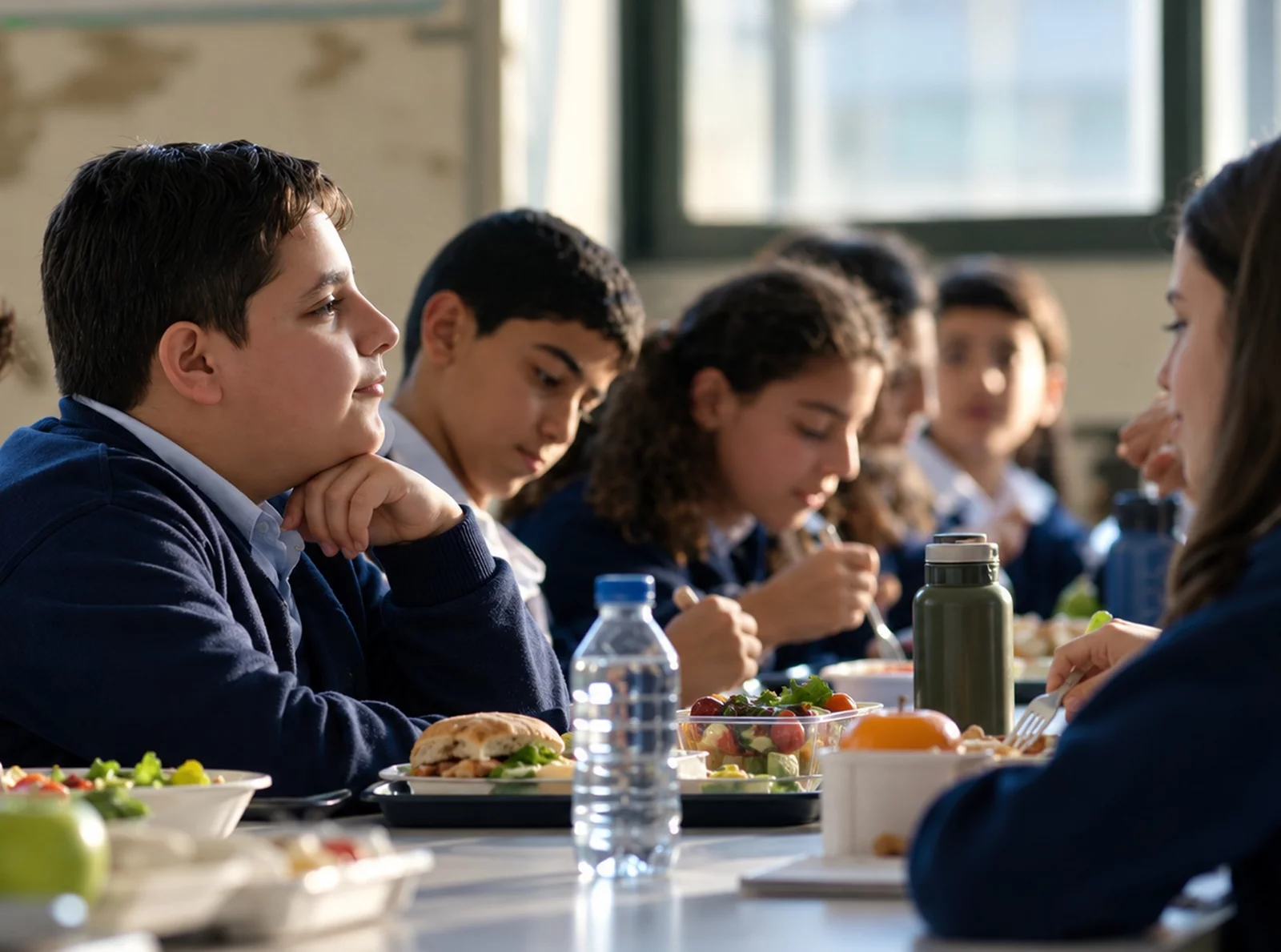
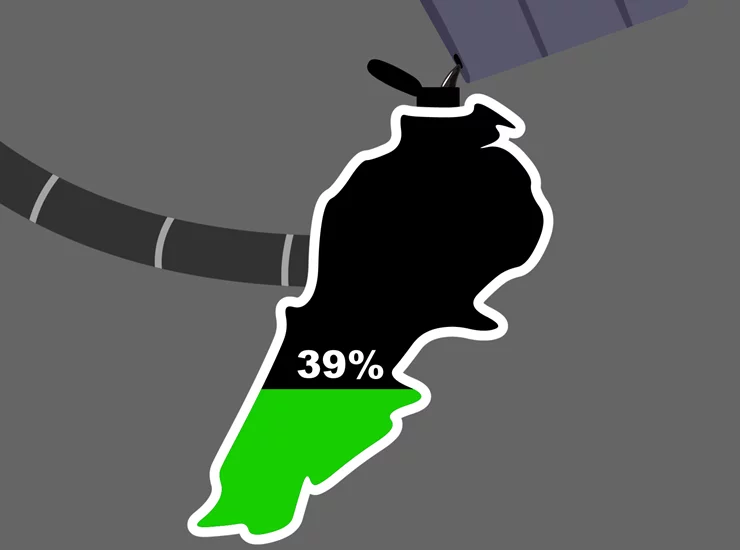
Lebanon’s alarming rise in childhood obesity


What will your 80-year-old self think of you?





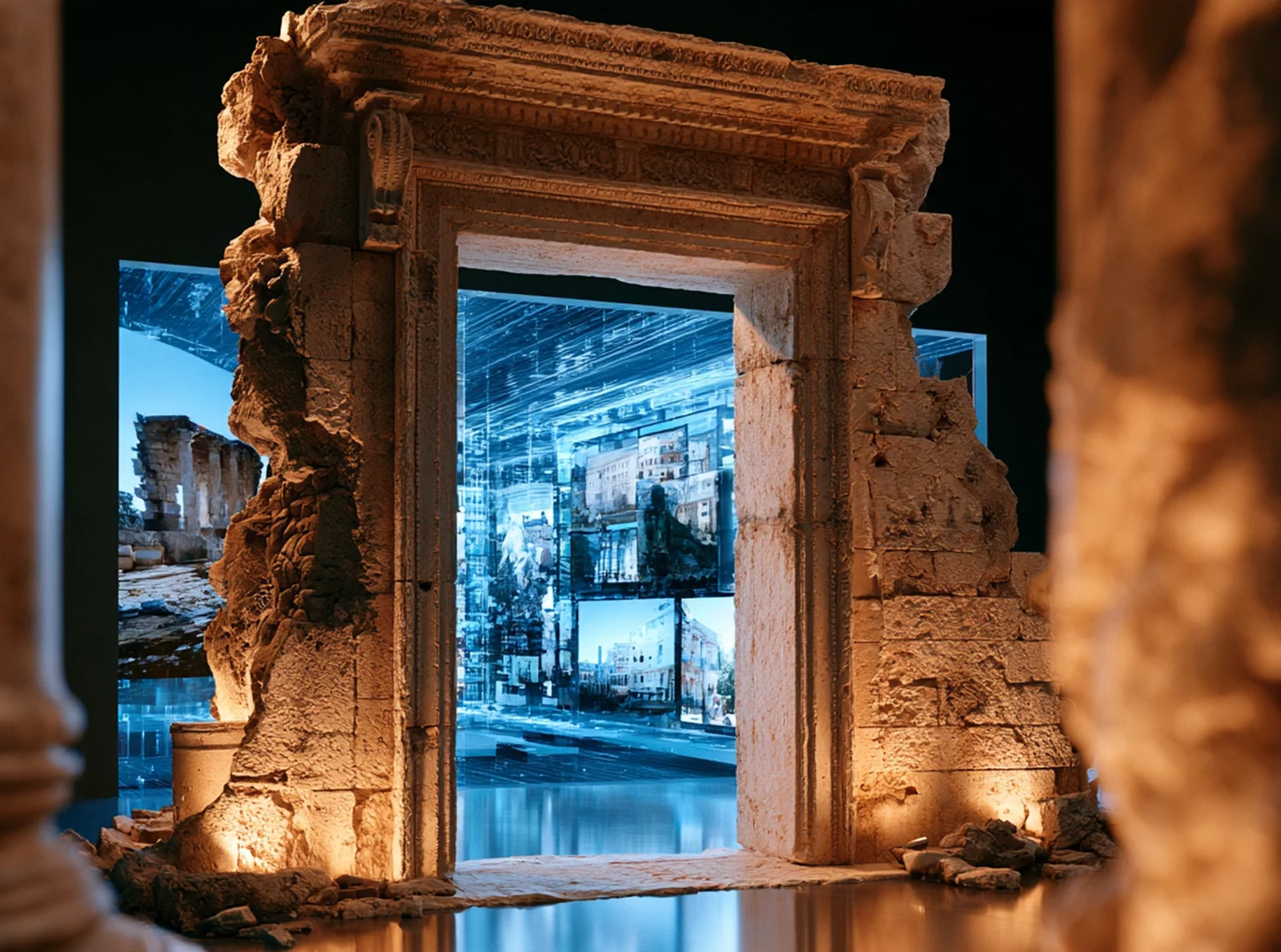
Lebanon opens a global archive of intimate history



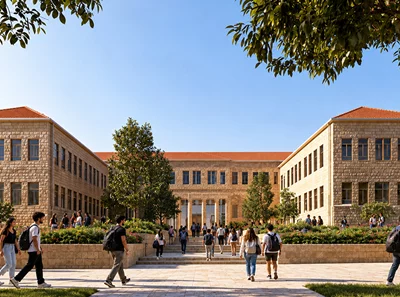
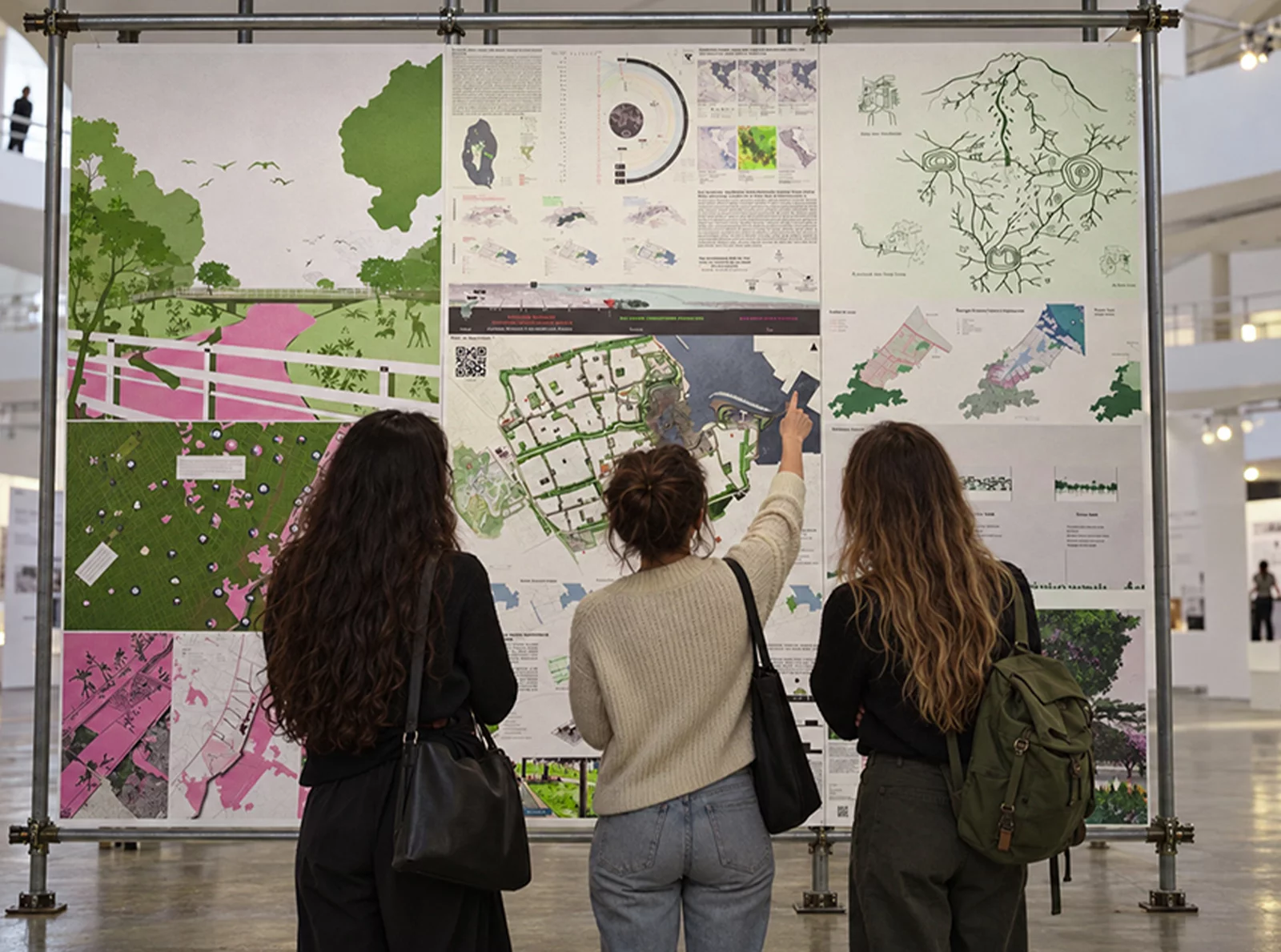
How Lebanese universities are connecting students to the world
Through scholarships and international partnerships, Lebanese universities are opening doors for students to study abroad, discover new cultures and gain independence. Explore how exchange programmes are creating opportunities for young Lebanese to broaden their horizons and shape their futures.












Technology



The right to think freely in the age of neurotechnology



OpenAI confronts the growing threat of corporate espionage























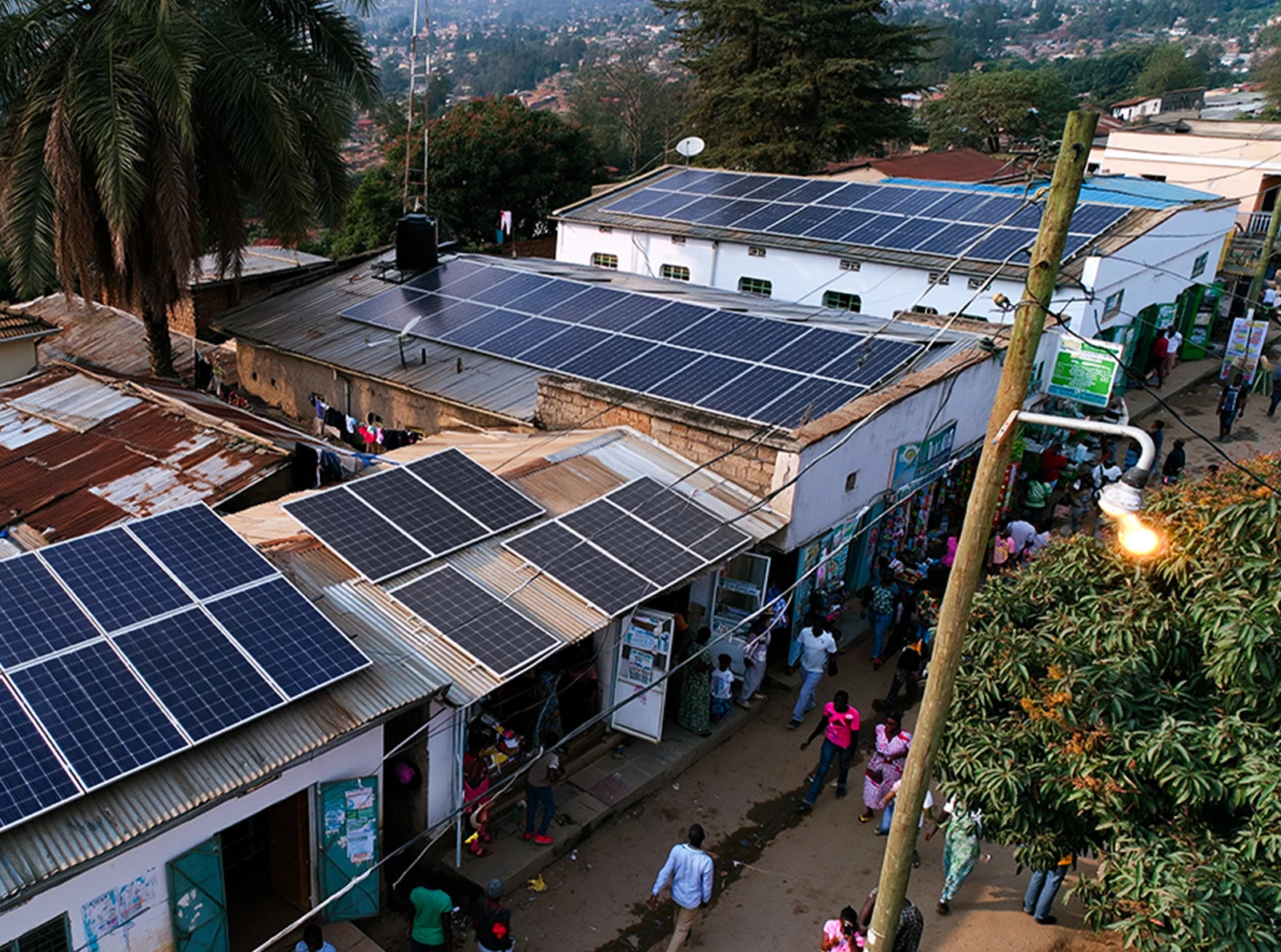
The solar boom Africa’s statistics are missing

The internet’s most important infrastructure is underwater


The strange market keeping the old internet alive


The question of "singularity" in AI
Sam Altman says humanity has entered the technological singularity, but evidence that AI is beginning to accelerate its own development raises a harder question about what would prove that threshold has actually been crossed and whether AI could ever realistically be switched off.