Lebanon launches a national immunization strategy to protect vulnerable children and sustain vaccination coverage amid crisis and displacement.




Lebanon launches a national immunization strategy to protect vulnerable children and sustain vaccination coverage amid crisis and displacement.

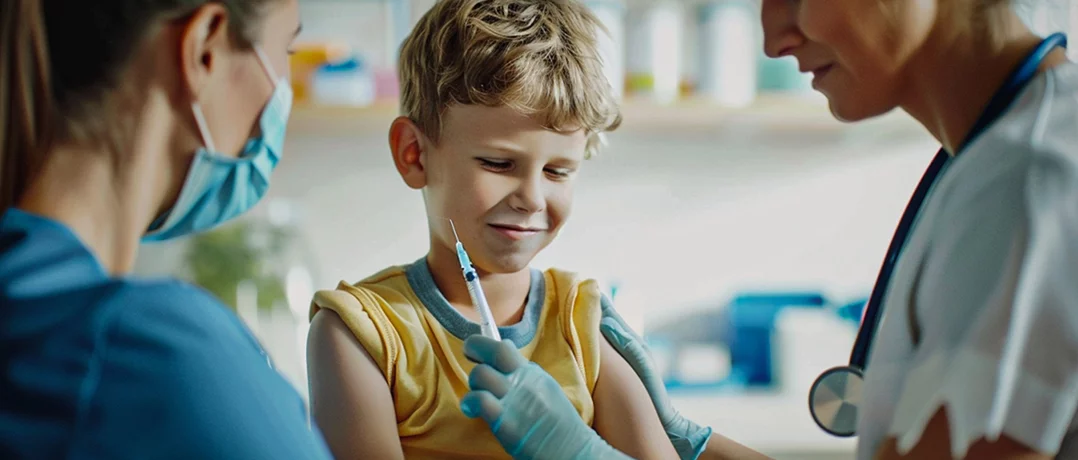
Lebanon’s Ministry of Public Health has launched the National Immunization Strategy in cooperation with the European Union, UNICEF, the World Health Organization, the Lebanese Red Cross, and the Gavi, the Vaccine Alliance. The launch coincided with World Immunization Week 2026.
The strategy is intended to strengthen and sustain vaccination services nationwide, improve coverage rates, and reinforce the resilience of Lebanon’s national immunization system. It places particular emphasis on children from lower-income households and those displaced by the recent conflict, who face the highest risk of missing essential vaccines.
Speaking to The Beiruter, the ministry framed the initiative within the broader pressures under which it is operating.
“The burden on the ministry is great while resources are modest,” the source said, “but the ministry cannot be anything less than what the Lebanese people hope for, whether in displacement shelters or in areas far from the conflict.”
The ministry said it is working on two simultaneous tracks: an emergency response track to secure medicine, hospitalization, and healthcare for displaced populations, and a routine track to maintain supplies of cancer and chronic disease medications alongside vaccinations.
“The ministry remains committed to implementing its strategic plan and its mission to provide healthcare to all Lebanese without exception and in a timely manner,” the source added. “This would not have been possible without the support of our partners.”
The displacement triggered by the recent escalation has left many children at risk of missing routine vaccinations a gap that, if left unaddressed, could create conditions for outbreaks of diseases previously brought under control.
Andrea Bertrier, deputy representative of UNICEF in Lebanon, said families in Lebanon have endured difficult weeks of displacement and uncertainty.
“In the midst of these circumstances, protecting children from vaccine-preventable diseases remains essential. Vaccines save lives, and when coverage rates fall, highly contagious diseases can resurge rapidly, putting all children at risk.”
Dr. Abdel Nasser Abu Bakr, the World Health Organization representative in Lebanon, added that vaccines have saved the lives of more than 150 million children over the past five decades, gains he said are now under threat.
“Reduced funding for global health is threatening these hard-won achievements,” he said, pointing to a rise in vaccine-preventable disease outbreaks worldwide. “Countries with limited resources must invest in the most effective interventions, and vaccines are at the top of that list.”
Vaccination services are available free of charge through primary healthcare centers across Lebanon, funded by the European Union and Gavi, the Vaccine Alliance. These centers form the backbone of the national immunization program and serve as the main platform for routine vaccine delivery nationwide.
Community outreach efforts are also underway to extend services to the most vulnerable, including displaced families in shelters and host communities, through the ministry’s “Asalameh” program, UNICEF community awareness units, and mobile health clinics operating as part of the emergency response. Parents and caregivers are being encouraged to review their children’s vaccination records and ensure all recommended doses are up to date.

