



Turning 18 is often seen as the beginning of independence. For young orphans growing up in alternative care, however, it can bring difficult questions about education, housing, documentation, financial security and life without a family safety net. This article explores what happens after 18 and the challenges of building an independent life in Lebanon.
After the orphanage: The struggle to start over
After the orphanage: The struggle to start over
By Yara Saliba | September 04, 2026

Reading time: 5 min
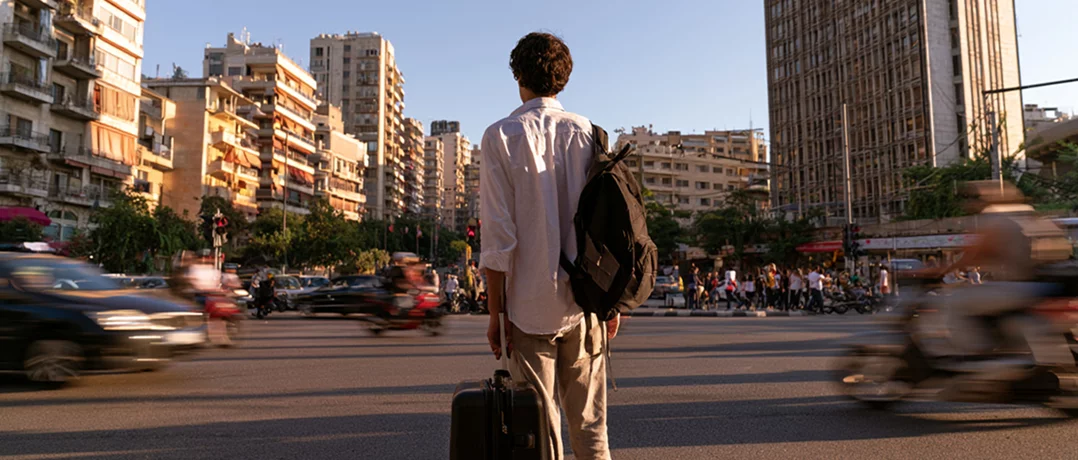
For most young people, turning 18 is a milestone. It can mean university, a first job, more freedom and the possibility of building a life away from home. But for a young person who has grown up in an orphanage, 18 can raise a different question: What happens when the institution that raised you is no longer enough to support you?
In Lebanon, reaching adulthood does not necessarily mean that a young person is immediately left on their own. But the transition can expose them to challenges that extend far beyond finding a job or a place to live. For some, the problem begins with something more basic: having the documents needed to prove who they are.
Turning 18 does not mean leaving overnight
At SOS Children’s Villages Lebanon, turning 18 is not treated as a deadline for leaving care. Young people may gradually move into Supervised Independent Living, where they have greater responsibility while continuing to receive support. In some cases, returning to their family of origin may also be considered when it is possible and in the young person’s best interest. The transition is based on individual circumstances, maturity and readiness rather than age alone.
Preparation begins before the move. SOS says it aims to start the transition process at least a year in advance, with each young person having an Individual Development Plan covering education, vocational development, housing, life skills and social integration. Support is gradually reduced as independence grows.
But independence requires more than simply knowing how to live alone.
Managing money, household responsibilities, transportation, personal care, time and everyday decisions can all become difficult. In Lebanon, SOS says, the economic situation, limited employment opportunities and difficulties achieving financial independence make the transition harder. Young people leaving care can also face difficulties accessing housing, education, employment and other services.
Lack of papers, lack of rights
For Father Majdi Allawi responsible of Saadet El Sama orphanage, however, one of the most serious obstacles facing some young people is documentation. He says that work on a child's papers begins when they arrive at the institution. But some children grow up without the documents needed to establish their legal identity. According to Allawi, the consequences can follow them into adulthood, affecting access to rights and opportunities, including employment and marriage.
“Imagine yourself without an identity card. What would your life become?” he asks.
For him, the issue is not merely administrative. A young person without documentation may also lack stability, security and the ability to plan a normal adult life. The consequences, he argues, can be particularly difficult for young men. While a young woman without family or documentation may, in some cases, be able to marry and gain a family structure through her spouse, Allawi says young men face greater obstacles when it comes to marriage, building a career and a family of their own because of their lack of papers. “What’s his fault if he was born with no papers?” he asks.
The cost of independence
For those who have the necessary documents and continue their education, adulthood can take another path. Allawi says young people with the required papers can attend university, with the association covering their expenses through support from people outside Lebanon. Those who continue studying can also remain in accommodation provided by the association.
SOS similarly says turning 18 should not interrupt education. Transition plans should take a young person’s studies into account while gradually preparing them for independent life.
But independence comes with challenges. Young people who leave care may have to manage rent, basic expenses, education and employment on their own. Allawi says some succeed, while others struggle with Lebanon’s economic reality.
The challenges are also social. SOS says young people may fear losing the relationships and sense of belonging they had in care. Maintaining connections with caregivers, siblings and peers can therefore remain important. “Becoming independent should not mean becoming alone,” SOS says. Allawi describes another barrier: questions such as, “Who are your parents?” that can create lack of security and belonging and can leave young people facing anxiety, fear and emotional distress as they try to build their lives independently.
Who’s responsible after 18?
Ultimately, the question is bigger than the institutions themselves.
SOS says Lebanon's existing alternative-care system has gaps, particularly in providing clear and continuous support for young people transitioning to adulthood. It argues that leaving care should be a shared responsibility between care providers, public institutions and other partners, with young people needing access to education, employment, safe and affordable housing, financial support, social protection and aftercare. For Allawi, the law should be an instrument of protection rather than an obstacle.
But neither interview suggests that turning 18 has to mean the end of support. SOS describes transition as a process, while Allawi points to young people who went on to become engineers and doctors after growing up in care.
Facing adulthood alone
Being an orphan or growing up without the support of a family is not an easy reality to begin with. Life can be difficult even when there is a family to turn to, friends to lean on and someone to offer advice when things go wrong. Imagine reaching adulthood without that safety net.
Turning 18 is already a blurry stage of life. It is the point between being a child and becoming an adult, when young people are expected to make decisions about their education, work, relationships, housing and future. Now imagine going through that transition without a parent to guide you, a family home to return to or someone to help you when you do not know what to do next.
For young people leaving orphanages in Lebanon, the challenge is therefore not simply leaving an institution. It is learning how to build a life without the family structure that many others take for granted. Adulthood should not begin with the loss of the last place a young person called home. It should begin with the support, opportunities and sense of belonging needed to build a new one.
Turning 18 is often seen as the beginning of independence. For young orphans growing up in alternative care, however, it can bring difficult questions about education, housing, documentation, financial security and life without a family safety net. This article explores what happens after 18 and the challenges of building an independent life in Lebanon.
-
-
-
Yara SalibaJunior Writer/Translator
-
