



Lebanon’s FM Raggi refused Iran’s visit invitation, inviting Araghchi to Beirut instead to assert sovereignty and reset bilateral ties.
Araghchi succumbs to Raggi’s request

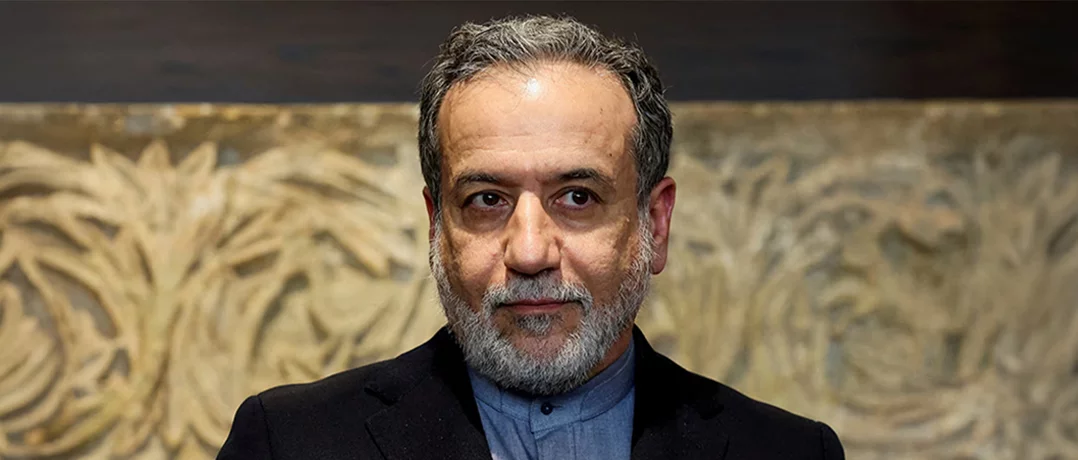
Lebanon’s Foreign Minister Youssef Raggi has declined a formal invitation from Iranian Foreign Minister Abbas Araghchi to visit Tehran, marking a new moment of tension in a relationship long shaped by political sensitivities and questions of sovereignty.
What followed is quite interesting: Raggi invited his counterpart, instead, to visit his home country and address critical and contentious issues between the two.
Although Raggi emphasized that communication with Iran remains open, his decision reflects Beirut’s insistence on resetting the terms of engagement with Tehran on a more balanced footing.
The background of the recent exchange
In a statement posted on X, Raggi reiterated that “current circumstances” prevented him from traveling to Tehran, while stressing that his refusal “does not mean rejecting dialogue.” Instead, he proposed that any meeting take place in a mutually agreed-upon neutral country, a suggestion rarely made between states that maintain full diplomatic ties.
Raggi added that future talks with Iran must rest on clear principles: respect for Lebanon’s sovereignty, non-interference in its internal politics, and adherence to established diplomatic norms. According to official Lebanese sources, the invitation was addressed by Raggi personally rather than the Lebanese state, making his response an expression of his own diplomatic position; one that nevertheless aligns with the broader policies of President General Joseph Aoun and Prime Minister Nawaf Salam.
Lebanon has repeatedly warned visiting Iranian officials that Beirut rejects foreign meddling in its internal affairs. Friction was visible during the August visit of Ali Larijani, Iran’s national security chief, who stated he had no time to meet Raggi. The foreign minister publicly countered: “Even if I had the time, I would not have met him,” a rare and blunt diplomatic exchange.
Raggi invites Araghchi to Beirut
Despite Raggi’s refusal to travel, diplomatic channels remain active. He later confirmed that he had extended a formal invitation for Araghchi to visit Beirut instead. Araghchi publicly accepted the offer, while expressing surprise at the Lebanese minister’s preference for a neutral venue, arguing that nations with full diplomatic ties do not require such arrangements.
Analysts note that while some view Raggi’s stance as evidence of weakened Iranian sway, Tehran’s role in Lebanon remains tied to its evolving relationship with Washington. Shifts in US-Iran negotiations, whether toward sanctions relief or renewed confrontation, almost always reverberate in Lebanon’s domestic landscape.
In conclusion, Raggi’s refusal to visit Tehran represents more than a scheduling decision. It signals Lebanon’s effort to reaffirm diplomatic boundaries and redefine its terms of engagement with Iran. By inviting Araghchi to Beirut while insisting on sovereignty and non-interference, Lebanon is attempting to balance openness to dialogue with a firmer assertion of its national interests. How Iran responds to this recalibrated approach may shape the trajectory of bilateral relations in the months ahead.
-
-

-
The Beiruter
-
