



Why constant urgency can feel normal, and how trauma and instability train the brain to live in stress mode.
Are we addicted to stress?

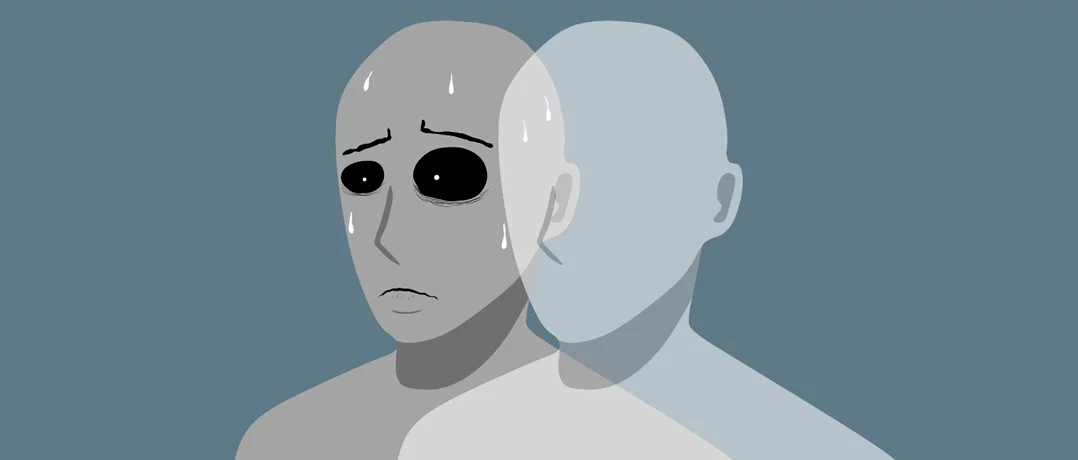
In today’s fast-paced world, many of us feel like we can never slow down. Deadlines, crises, and constant notifications create a sense of perpetual urgency. Over time, calm can start to feel unfamiliar, even uncomfortable. People stay busy, chase pressure, or immerse themselves in tasks because their bodies and brains have learned to treat stress as normal.
Stress as survival mode
From a psychological standpoint, this is a physiological adaptation. Chronic stress and trauma can keep the brain locked in survival mode, where the sympathetic nervous system remains activated and cortisol levels stay elevated. Studies on chronic stress show that repeated exposure to instability, danger, or unpredictability can lead to allostatic load, the cumulative wear and tear on the body from prolonged stress (McEwen, 2007). In this state, calm feels unfamiliar, and the brain becomes wired to seek stimulation or high-pressure situations to feel safe.
Hypervigilance and trauma
In countries like Lebanon, decades of war, political unrest, economic collapse, and sudden shocks, from civil conflict to the 2020 Beirut port explosion have made hypervigilance a survival mechanism for many. For those living in such environments, staying overworked or on alert is not just habit; it is the nervous system trying to anticipate and survive the next crisis.One study found that about three weeks after a war episode, 25.9% of Lebanese youth met criteria for major depressive disorder, 16.1% for separation anxiety, 28% for overanxious disorder, 26% for PTSD, and 44.1% for at least one mental health disorder. The persistence of these conditions a year later was linked to pre-existing mental health vulnerabilities and direct exposure to war events, underscoring the importance of early identification and support (Karam et al., 2014). Another systematic review found that PTSD rates among Lebanese adolescents increased with successive conflicts, rising from 8.5–14.7% after the 1975 war to 15.4–35% following the 2006 war. Together, these patterns point to a population repeatedly pushed into chronic stress and hypervigilance, where the nervous system remains primed for danger long after the events themselves have passed.
The “Addiction” to stress
Psychologists sometimes describe this pattern as stress habituation or even stress addiction, though not in the clinical sense of substance dependency. The term reflects how the brain’s reward and arousal systems become conditioned to elevated stress, where adrenaline and dopamine spikes associated with urgent tasks provide temporary focus, motivation, or even a sense of safety. For some, slow or calm periods feel disorienting or uncomfortable, prompting a return to busyness.
Implications for mental health
Living in a constant state of urgency can have real consequences:
- Increased risk of anxiety and depression
- Emotional exhaustion and burnout
- Impaired sleep and restorative functions
- Difficulty accessing joy, creativity, and intimacy
Breaking this cycle requires more than “relaxing.” Trauma-informed interventions, mindfulness, creative expression, and stable routines help retrain the nervous system to tolerate calm safely. For people raised in chaotic environments, learning that stillness is not dangerous can itself be a form of healing.
Between the lines
What feels like “being addicted to stress” is often the body’s protective wiring, a survival adaptation to uncertainty. In Lebanon, where crises are frequent and unpredictable, the psychological toll is compounded. Recognizing this pattern is the first step toward reclaiming calm, building resilience, and creating space for emotional recovery in a world that rarely pauses.
-
-

-
The Beiruter
-
