



Syrian children collect aluminium and plastic from across the capital and sell it by the kilo work that Lebanese law explicitly prohibits, yet no one appears to enforce the ban.
Beirut’s aluminium children

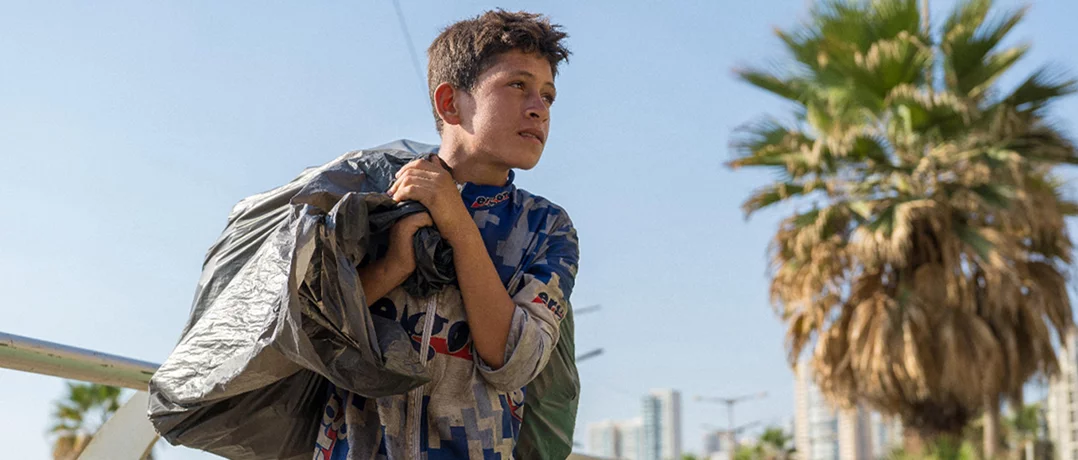
Pepsi cans bring in the most money. Fares, 13, climbs into a rubbish bin on Rafic Hariri Avenue. Down below, the shouts of children playing on Ramlet al-Baida beach drift up from the shore. A few minutes later, he climbs back out with a faint smile, two cans in his hands.
Like any worker, he has set hours from 8 a.m. to 6 p.m., or at night, “because it’s cooler” as well as a route, an area to cover, competitors and expenses: the children themselves pay for the car that comes to collect their bags at the end of the day. There are no weekends and no holidays. School? Fares dropped out long ago; since his father died in Syria, he has had to provide for his mother and sister. He earns between $8 and $15 a day. At his age, he says, there is no other work that pays as much.
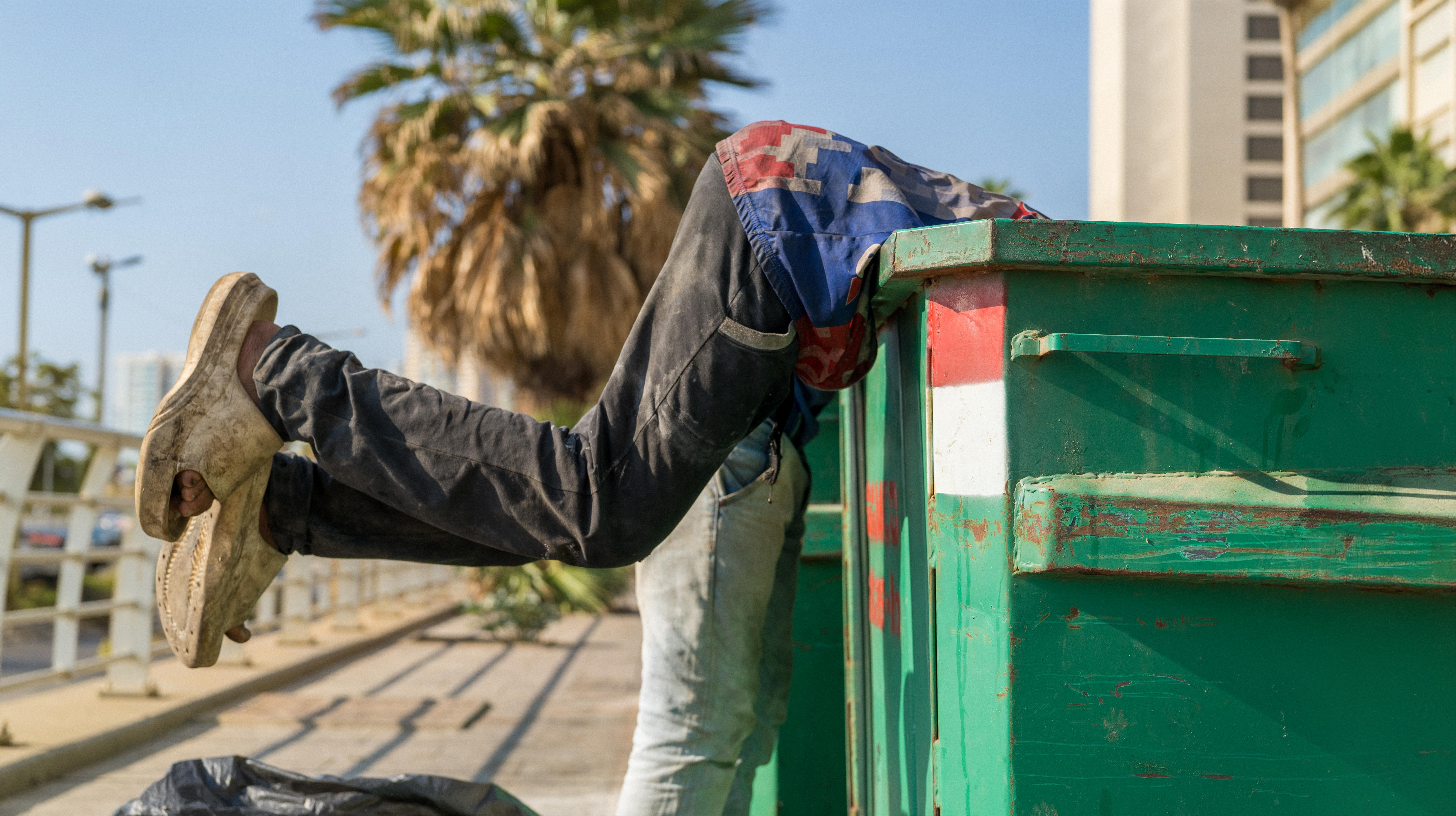 Fares inside a rubbish bin.
Most of the can collectors are Syrian: in Lebanon, more than 90% of informal waste pickers are Syrian, according to Equal Times. In the absence of a public waste-sorting system, they recover much of what the country recycles.
They sell aluminium for around $0.90 a kilo. The buyers are Lebanese businessmen. “In general, the children work for just one person. They can’t go and sell elsewhere,” says a relative of one aluminium buyer, speaking on condition of anonymity. A child who cannot leave has no room to negotiate the price, he simply finds out what he will be paid. “Sometimes they lower the price, but there’s nothing I can do,” Fares says.
From there, the goods disappear from view. A truck, a sorting facility, a port, a ship, then Turkey or Bulgaria. “It starts with children in the street and can end up with large companies in Europe,” explains the buyer’s relative. At every stage of the chain, people know who collected it.
This work is illegal. Lebanese Decree 8987 of 2012 explicitly lists “work in cleaning services, waste collection and waste sorting” and prohibits it for children under 16. Yet the only public authority that seems to concern itself with these children is the one that drives them away. “A municipal pick-up truck comes by. One of them hits us, while another takes our things.”
Fares and the others dream of one day having a normal job, of no longer having to live with smells you never really get used to. Return to Syria? If the situation improves, the boys would love to. After a few hours, noticing the foreign camera, they shyly ask for a photo together. “We’ll show it to our children in a few years,” they say, laughing.
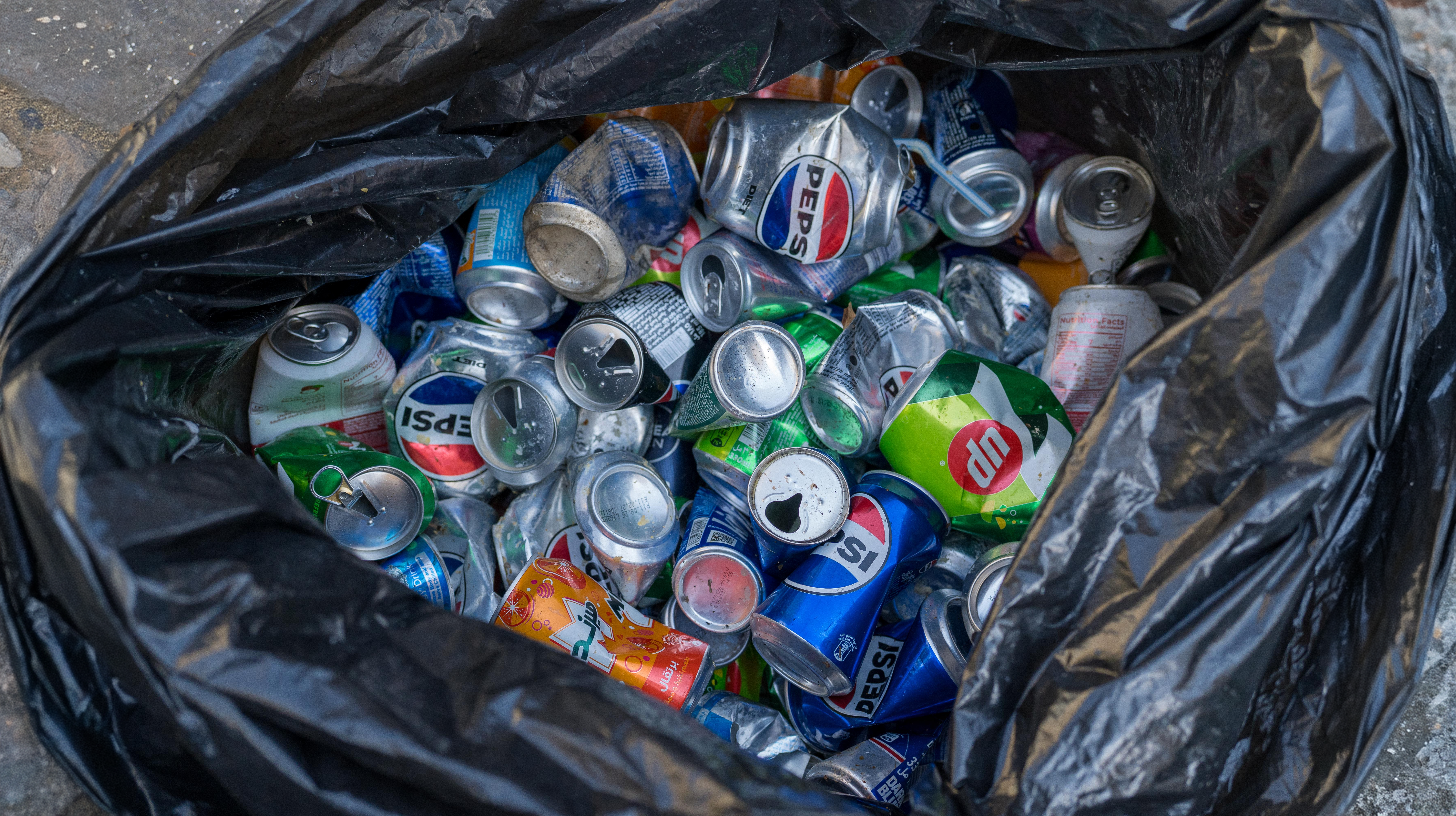 A child’s haul of aluminium.
-
-

-
Paul Van der StegenWriter
-
