Reading is evolving into a fast, interactive, and multi-dimensional digital experience that is reshaping how the new generation absorbs and processes knowledge.


Reading is evolving into a fast, interactive, and multi-dimensional digital experience that is reshaping how the new generation absorbs and processes knowledge.

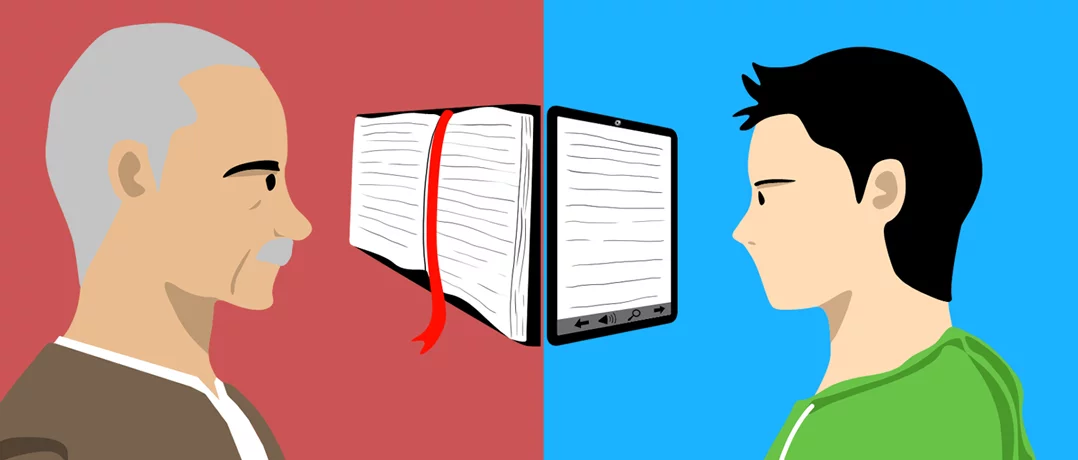
Reading has become a multi-dimensional experience.
The time when reading was inevitably tied to paper is over. Today, a new generation, deeply rooted in the world of the internet and glowing screens, stands on the threshold of a quiet yet profoundly impactful knowledge revolution. The claim that this generation does not read is a misleading oversimplification that ignores the fundamental transformation in both the medium of reading and the way content is consumed. This generation does read, but in its own way: fast, fragmented, interactive, and no longer confined to the bound pages known to previous generations. Understanding this new pattern is essential to evaluating the depth of their knowledge and their ability to absorb complex information.
The traditional perspective focuses on declining print book sales as evidence of a decline in reading. However, this view overlooks the vast amount of textual content young people engage with every day. Reading is no longer limited to long, cohesive texts that require sustained concentration. Instead, it has evolved into a multi-dimensional experience. When a university student browses scientific articles online, follows specialized academic posts, or engages in in-depth discussions about a novel on social media platforms, they are actively practicing intensive reading, albeit at a different pace. The challenge lies not in quantity, but in the nature of the cognitive processing required.
Contemporary digital reading is characterized by a culture of skimming and searching for specific information rather than deep reading. This shift comes with clear advantages and disadvantages. On the positive side, this generation can process vast amounts of data quickly and identify key points with high efficiency, an essential skill in today’s job market, which demands informational agility. For example, a medical student may study anatomical information through interactive 3D applications rather than relying entirely on static textbook illustrations.
On the downside, the issue lies in depth of understanding. Psychological studies have shown that reading on screens tends to strengthen short-term working memory at the expense of deep critical comprehension required for complex literary or philosophical texts. When users read on their phones, the text competes with notifications and multiple links, interrupting the flow of concentration needed to build complex knowledge networks.
Printed text is no longer the dominant format. Instead, hybrid and innovative forms of reading have emerged. Specialized blogs, long-form LinkedIn posts, and visual summaries (infographics) are all formats that the new generation regularly engages with. For example, in the business world, young managers prefer concise executive summaries accompanied by focused data analysis rather than diving into hundreds of pages of raw data. This is not a rejection of knowledge, but an adaptation to time efficiency. Similarly, the rapid rise of audiobooks represents another form of consuming textual content, transforming visual reading into an auditory experience that can be combined with other activities such as driving or exercising.
One of the most fundamental differences between traditional and modern reading lies in its social and interactive nature. Print reading was often a solitary activity, while digital reading is inherently interactive. When a young person reads an article about climate change on a specialized platform, they are likely to comment, highlight, and share parts of it with friends for discussion. This interaction transforms reading from passive consumption into active participation in meaning-making. This direct engagement enhances understanding by requiring individuals to articulate their thoughts to others.
The ability of the new generation to gather information from multiple digital sources and instantly compare them (cross-referencing) is a highly advanced reading skill that goes beyond the capacity of a reader confined to a single book. They read between the lines, not only within the text, but across competing websites.
The new generation does read, but it requires different reading interfaces, different time expectations, and content design that takes into account fragmented attention spans. The challenge facing education is not to force young people back to printed books, but to design curricula that harness the speed and interactivity of digital reading while also developing the deep focus needed to understand humanity’s written intellectual heritage. Recognizing that reading has shifted from a “silent act” to a “multi-modal digital experience” is the first step toward understanding this generation’s knowledge reality. Reading has not died, it has simply taken on a new, vibrant, and complex form that calls for a redefinition of the term itself.

