



Bullying can leave lasting effects on children's mental health, self-confidence, relationships and school life. Through an interview with psychologist Marguerite Nassif Rahy, this article explores the impact of bullying, why children may remain silent, and how parents and schools can work together to protect and support them.
Bullying in schools and the lasting impact on children
Bullying in schools and the lasting impact on children
By Yara Saliba | October 09, 2026

Reading time : 5 min
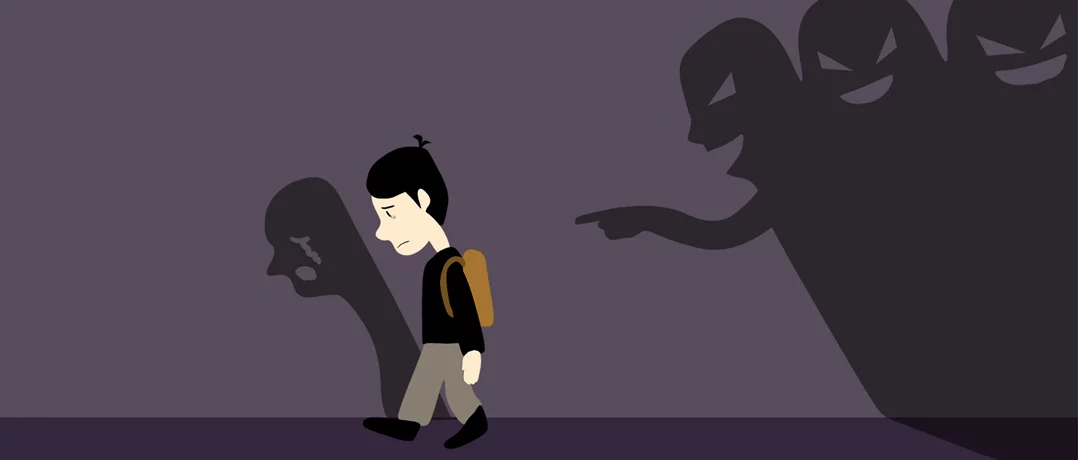
A joke that keeps being repeated, a student deliberately excluded from a group, a humiliating comment in the playground or a message circulating online: bullying can take many forms, and its consequences can extend far beyond the school day.
For some children, school is a place of learning, friendship and discovery. For others, it can become a source of fear, anxiety and isolation. What adults may dismiss as harmless teasing can gradually undermine a child's confidence, sense of belonging and ability to trust others.
The invisible wounds of bullying
During an interview with The Beiruter, Marguerite Nassif Rahy, a psychologist, analytical-systemic psychotherapist and school psychologist, emphasized the wide-ranging consequences of bullying on children.
“Bullying affects several dimensions of a child’s life,” she explained, noting that it can harm their psychological and emotional well-being, social relationships, self-image, self-confidence and self-esteem, while also affecting their academic performance and physical health.
The signs are not always immediately visible. According to Rahy, a child experiencing bullying may develop anxiety, fear and persistent stress. At home, parents might notice changes in sleeping or eating habits, withdrawal, or repeated complaints of stomachaches and headaches.
A child who regularly complains of feeling unwell before school or refuses to return to the classroom may be expressing distress that they cannot yet put into words. These signs do not necessarily mean that bullying is taking place, but they deserve attention rather than dismissal.
Why children choose to stay silent
If bullying causes so much distress, why do some children remain silent?
For many, speaking up can feel like another risk. They may fear being labelled a tattletale, losing their remaining friends or becoming the target of further humiliation. Others may worry that adults will not believe them or will dismiss their experience as an ordinary part of growing up.
Rahy stressed the importance of how adults respond when a child asks for help. When a child's experience is minimized, the child may become even more reluctant to speak, eventually believing that nobody can help them.
For this reason, listening without judgment matters. Children need to know that reporting bullying is not a weakness and that asking for help will not make them responsible for the behavior directed at them.
When does teasing become bullying?
Not every unpleasant interaction between students constitutes bullying. Children can disagree, make jokes that go too far or hurt one another's feelings without necessarily engaging in a pattern of bullying.
The distinction lies partly in repetition and the impact of the behavior. As Rahy explained, a joke may be a one-time incident followed by an apology and a resolution. When the behavior continues repeatedly and causes distress, it becomes a more serious concern.
Children must learn that a joke is not harmless simply because the person making it finds it funny. If another student is hurt, their feelings and boundaries deserve to be respected. Calling repeated humiliation “just a joke” can normalize harmful behavior and prevent children from recognizing when they need help.
The cyberbullying and the online world
Bullying is no longer confined to classrooms and playgrounds. Messages, group chats and social media can allow humiliation to continue after students leave school, following them into their homes and personal lives.
A 2024 World Health Organization Regional Office for Europe study, drawing on data from more than 279,000 young people across 44 countries and regions, found that approximately one in six adolescents had experienced cyberbullying. The study also reported an increase in cyberbullying between 2018 and 2022, highlighting the growing need to protect young people online.
Rahy similarly emphasized that bullying can take place outside school, making communication between families and schools particularly important.
Understanding the child who bullies
Preventing bullying also requires examining the behavior of those who engage in it. Why does one child repeatedly target another?
Rahy explained that there is no single explanation for why children bully others. Their behavior may be influenced by different circumstances, including their emotional needs, upbringing, family environment and experiences at home. Some children may attempt to demonstrate their strength by targeting someone they perceive as weaker.
Understanding these possible influences is important, but it does not excuse the behavior or remove the need for intervention. Both the child experiencing bullying and the child engaging in it may need guidance, boundaries and appropriate support.
The roles of schools and parents
When a student reports bullying, schools must take the concern seriously, observe what is happening and follow up promptly rather than allow the situation to continue unchecked. Rahy emphasized the importance of timely intervention and raising awareness among students about the consequences of bullying and the importance of respecting others.
Parents, meanwhile, should pay attention to changes in their children's behavior and create an environment where they feel comfortable discussing difficult experiences. When a child opens up about being bullied, parents should listen without judgment, thank them for trusting them enough to speak up, and reassure them that they did the right thing by asking for help. Persistent fear of school, withdrawal or unexplained physical complaints should also prompt a conversation.
Bullying must be addressed as quickly as possible. Schools and families need to work together to understand what is happening, intervene appropriately and ensure that children feel safe, heard and supported.
For Rahy, addressing bullying must go beyond stopping the harmful behavior. Children also need emotional support and reassurance that they are accepted and valued. “It's not just the bullying; it's the child as a whole,” she explained, emphasizing the importance of understanding how these experiences affect a child's confidence, relationships and sense of safety.
School should be a place where children can learn without fearing humiliation, exclusion or intimidation. Preventing bullying requires adults to take it seriously, respond promptly and recognize that every child's well-being is their responsibility.
-
-

-
Yara SalibaJunior Writer/Translator
-
