



Early bookings are beginning to return to Lebanon's tourism sector, but industry leaders say the fate of the summer season will depend on whether the current ceasefire and security stability endure.
Can Lebanon still save its summer tourism season?
Can Lebanon still save its summer tourism season?
By The Beiruter | June 28, 2026

Reading time: 5 min
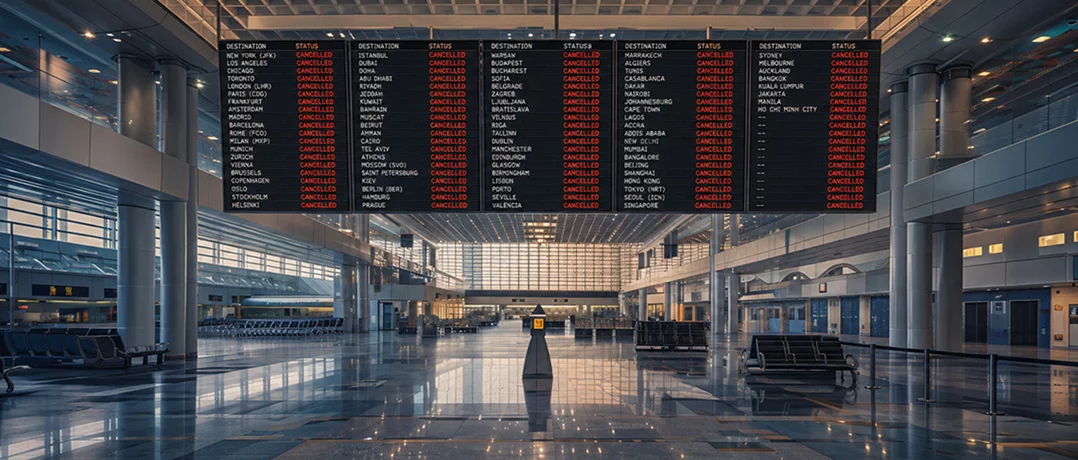
After months of conflict that severely disrupted travel to Lebanon, cautious optimism is beginning to return to the country's tourism sector. A fragile ceasefire has raised hopes that international visitors and the Lebanese diaspora will once again choose Lebanon as a summer destination.
The sector had only begun recovering from years of economic crisis before the latest escalation brought flight cancellations, weaker consumer spending and declining visitor numbers. While early bookings are beginning to return, industry leaders say the season's success will depend largely on whether the ceasefire holds and stability endures.
Bookings begin to return
There are already tentative signs of improvement. According to Jean Beirouti, Secretary General of the Federation of Tourism Syndicates, the industry is beginning to see encouraging momentum.
“Initial hotel bookings have started to appear for the month of July,” he said. “Meanwhile, marine tourism has experienced noticeable activity since last week, especially over the weekend, with occupancy rates rising from around 30 percent to between 60 and 70 percent compared with the same period last year."
While these figures suggest improving demand, Beirouti cautioned against viewing them as a full recovery.
A large proportion of these reservations have not yet been paid," he explained. "Many potential visitors are simply asking about prices and available options while postponing their final decision.
The hesitation reflects continued uncertainty surrounding the security situation. Although the ceasefire has improved sentiment, many travelers remain reluctant to commit until they are convinced the calm will last.
Even so, Beirouti believes the current indicators are encouraging.
"If security conditions remain stable and are accompanied by a political environment that supports tourism, these signs could gradually develop into stronger demand," he said.
Recovery remains fragile
Despite early signs of recovery, the tourism sector continues to face the cumulative effects of years of economic hardship.
The country's financial situation remains extremely weak," Beirouti said. "We are witnessing a significant decline in spending throughout the tourism sector because of the successive crises and the economic stagnation that continues to affect the country.
Tourism businesses are therefore confronting two simultaneous challenges: attracting visitors back to Lebanon while encouraging those who do return to spend. Even if arrivals improve, lower consumer spending could still limit the season's economic impact.
For many operators, simply covering costs would represent an important achievement after months of disruption.
Beirouti remains cautiously optimistic.
"If these positive conditions continue, we will be in a much better position to move forward and work toward saving the tourism season," he said.
At the same time, he acknowledged that recovering previous losses is unrealistic.
"It will not be possible to compensate for the losses we have already incurred," he said. "What we may be able to do is cover part of our operating losses."
According to Ministry of Tourism statistics cited by Beirouti, tourism activity during March and April fell by approximately 75 percent compared with the same period last year, underscoring the scale of the losses the sector has already sustained and the challenge of recovering them in a single season.
Stability is the deciding factor
Despite the recent uptick in bookings, the recovery remains tentative.
The recent increase in inquiries and reservations suggests that demand for Lebanon has been delayed rather than lost. Should the ceasefire continue to hold, additional bookings could follow in the weeks ahead, particularly from expatriate Lebanese and regional visitors who traditionally account for a significant share of the summer season.
Even so, the industry's recovery remains highly vulnerable. Any deterioration in the security environment could quickly reverse the modest gains achieved so far, prompting visitors to cancel or delay their travel plans once again.
Expectations within the industry remain decidedly cautious. This summer is unlikely to offset the heavy losses accumulated over recent months, but it could provide businesses with an opportunity to reduce operating deficits, revive economic activity, and preserve jobs.
Ultimately, the industry's prospects rest on one factor beyond its control: the durability of Lebanon's political and security stability. The weeks ahead will determine whether the current calm marks the beginning of a sustained recovery or merely another brief respite in a sector repeatedly disrupted by crisis.
-
-

-
The Beiruter
-
