

The director of the USEK Museum argues that museums can play a larger role in Lebanon's future by evolving from repositories of artifacts into classrooms that teach history, identity and cultural stewardship.
Can museums become Lebanon’s classrooms?

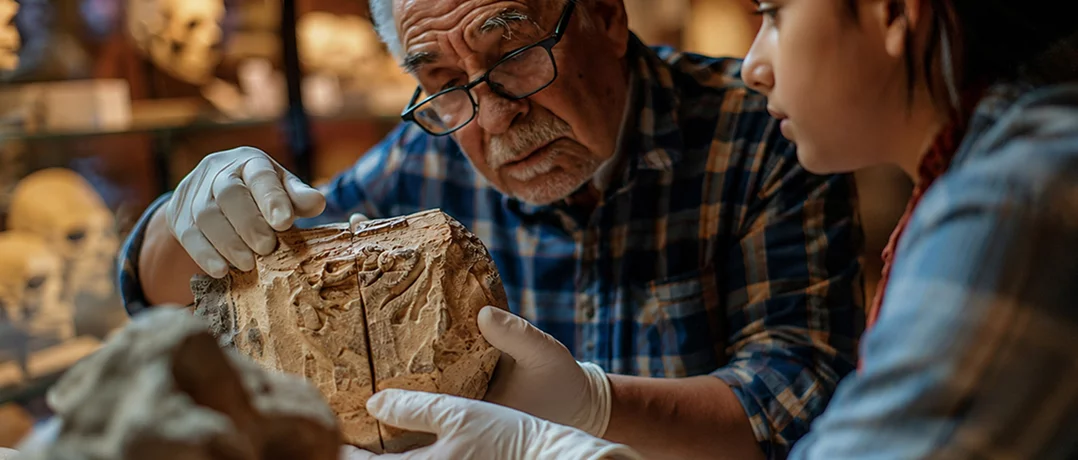
For many Lebanese students, visiting a museum is an occasional school excursion rather than a regular part of their education. A class might visit the National Museum of Beirut or the archaeological ruins of Byblos before returning to a classroom where history is still taught largely through textbooks. Yet museums are no longer viewed solely as repositories of history. Across the world, museums are redefining their role, evolving from institutions that primarily preserve the past into places where history, identity and civic responsibility are actively taught.
That question carries particular significance in Lebanon. The country is home to six UNESCO World Heritage sites spanning more than 5,000 years of civilization, while UNESCO has granted enhanced protection status to 39 Lebanese cultural properties because of the risks posed by armed conflict. UNESCO's 2015 Recommendation on Museums recognizes museums as institutions that contribute to education, cultural diversity and social cohesion, reflecting a broader shift toward museums as places of learning.
Speaking to The Beiruter, Elsie El Deek Bou Jaoude, director of the Holy Spirit University of Kaslik (USEK) Museum, said museums have a responsibility not only to preserve Lebanon's cultural heritage but also to teach students why it matters.
"We need to educate people that our heritage belongs to all of us," she said.
We must teach students the importance of safeguarding and preserving artworks, and of respecting our cultural heritage.
Beyond preserving the past
Museums have traditionally been viewed as institutions responsible for collecting, preserving and exhibiting works of art and historical objects. Today, however, their mission extends beyond conservation toward education, encouraging visitors to engage with heritage not simply as observers but as active participants in understanding and protecting it.
For Bou Jaoude, that shift begins by changing how people think about heritage itself.
“Lebanon has one of the oldest cultures and civilizations in the world that played a major role throughout history,” she said.
Students need to understand that this heritage is part of our identity. Art is therefore also a way to help young people feel proud and realize how extraordinary their history and culture are.
Bou Jaoude argues that teaching heritage also means changing how people value it. Rather than viewing artworks primarily through a financial lens, she encourages students to see them as historical records that carry stories, symbolism and collective memory.
At the USEK Museum, students can spend a semester helping prepare exhibitions, working alongside museum professionals to learn how collections are researched, conserved and displayed. Bou Jaoude said the experience is intended to cultivate a sense of responsibility toward Lebanon's shared cultural heritage.
Art as a language of belonging
If museums are to become classrooms, Bou Jaoude argues they cannot teach art in isolation. Heritage becomes more meaningful when connected to the disciplines and experiences of everyday life, turning artworks into entry points for understanding history, society and identity.
"It is so great to show that art is interdisciplinary," she said. "It is not a siloed topic."
That philosophy has inspired a range of interdisciplinary projects. In one exhibition centred on still life paintings, students moved beyond analysing composition and technique to research the fruits, vegetables and agricultural products depicted in each work, exploring when they first appeared in Lebanon, how they entered local cuisine and the symbolism they acquired in Lebanese traditions. Other exhibitions have paired visual art with music, inviting visitors to experience collections through multiple forms of cultural expression.
By connecting heritage to disciplines students already study, Bou Jaoude believes museums can strengthen young people's understanding of Lebanon's history and their sense of identity. As years of economic crisis and conflict continue to encourage many young Lebanese to build their futures abroad, Bou Jaoude argues that cultural heritage also influences how people understand their relationship with the country.
"Nothing is easy in Lebanon. When you are always afraid of losing something, you make enormous efforts to preserve it," she said.
Even without a budget or money, and even under bombardment, you will fight for your heritage because you are afraid of losing it. We have this drive that keeps us deeply attached to our identity and to what we have.
Making museums part of everyday life
Expanding the educational role of museums also means making them more accessible, both within Lebanon and beyond its borders. Museums, Bou Jaoude argues, have a responsibility not only to preserve the country's cultural heritage but also to share it with wider audiences, offering a narrative that extends beyond conflict and political crisis.
"My mission is to promote our heritage, give it visibility and show the world that we have a great deal to say," she said. "Art brings people together regardless of our differences. That is also a message of peace."
She believes one of Lebanon's greatest cultural opportunities, however, lies much closer to home.
"I would love to see in Lebanon a decentralization of art," she said.
We have this habit of thinking that everything happens in the capital, but there are many wonderful museums outside Beirut. We need to revive and normalize museum-going and encourage people to visit museums across the country until it becomes part of everyday life.
Museums such as the Nabu Museum in El-Heri, the Silk Museum in Bsous and the Byblos Fossil Museum illustrate the richness of Lebanon's cultural landscape beyond Beirut. She argues partnerships with schools, universities and cultural institutions can introduce new audiences to those collections from an early age. At the USEK Museum, that has included collaborations with schools, museum organizations and international conservation specialists.
"It is great that we have a thriving capital of art, but we should be able to access and showcase art throughout all of Lebanon," Bou Jaoude said. "Not everyone has the means to travel to Beirut."
If museums succeed in becoming places where students learn, question and participate rather than simply observe, their greatest contribution may extend beyond preserving Lebanon's cultural heritage. They may help cultivate a deeper understanding of why that heritage matters, ensuring the country's history is not only safeguarded for future generations but actively passed on to them.
-
-

-
The Beiruter
-
