Stretching across 130 kilometers of monasteries, valleys, and mountain villages, Darb Mar Charbel is redefining pilgrimage tourism in Lebanon through a spiritual journey inspired by the life of Saint Charbel.




Stretching across 130 kilometers of monasteries, valleys, and mountain villages, Darb Mar Charbel is redefining pilgrimage tourism in Lebanon through a spiritual journey inspired by the life of Saint Charbel.

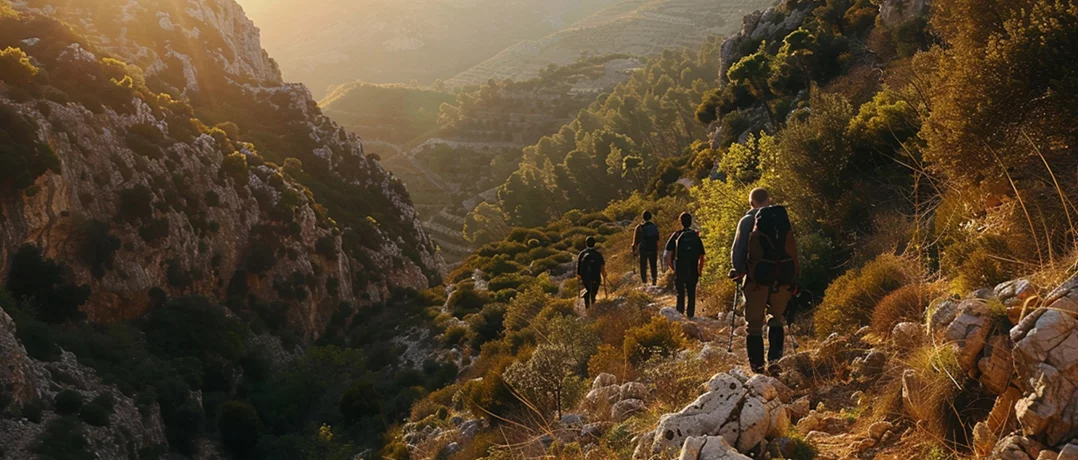
Across Lebanon’s mountains, valleys and forgotten footpaths, a new form of pilgrimage tourism is quietly taking shape. Stretching nearly 130 kilometers across northern and Mount Lebanon, Darb Mar Charbel is today reconnecting monasteries, villages and sacred landscapes tied to the life of Saint Charbel, while offering pilgrims and hikers a journey through some of Lebanon’s most spiritual and scenic regions.
Inspired by Spain’s Camino de Santiago, the project was born after five Lebanese pilgrims completed the famous pilgrimage route in Santiago de Compostela in 2018. According to Yousef El Hajj, a committee member behind the initiative, the group returned from Spain “transported in spirit” and determined to create a similar experience rooted in Lebanon’s own religious and cultural heritage.
That vision eventually evolved into Darb Mar Charbel, Lebanon’s first long-distance pilgrimage trail, developed by Darbessama in partnership with the Lebanon Mountain Trail Association (LMTA).
The route stretches across 42 villages and passes through at least 10 locations directly connected to Saint Charbel’s life. Designed as a seven-day pilgrimage, the trail also allows walkers to complete shorter portions over one, two or three days depending on their preference.
The journey begins at the Monastery of Saint Anthony of Kozhaya at the entrance of the Qannoubine Valley, a site organizers describe as Saint Charbel’s “spiritual birth.” It was there that the young Youssef Makhlouf, later known as Saint Charbel, was inspired by his two uncles who lived as monks in the monastery.
Pilgrims then walk through the Qannoubine Valley before ascending toward Bekaa Kafra, the place where Saint Charbel was born and raised.
From there, the trail continues through Tannourine and Douma toward the Monastery of Saint Elige in Mayfouq, where Saint Charbel pursued part of his monastic studies.
The route later crosses through Mechmech toward Annaya and the hermitage where Saint Charbel spent most of his life in prayer, meditation and ascetic solitude. The trail then extends through Keserwan before eventually reaching the Sanctuary of Our Lady of Lebanon in Harissa, a destination chosen because of Saint Charbel’s deep devotion to the Virgin Mary.
On July 20, 2025, during the Feast Day of Saint Charbel, the project reached a major milestone with the inauguration of the Annaya-to-Mayfouq section at Saint Maron Monastery in Annaya. The ceremony took place under the patronage of Lebanese President Joseph Aoun, while the trail’s “Kilometer Zero” monument was blessed by Cardinal Bechara Boutros al-Rahi.
Beyond its spiritual significance, organizers see the trail as a way to revitalize Lebanon’s rural communities and reconnect people with the country’s landscapes and traditions.
“The villages stay in their villages to welcome the pilgrims,” El Hajj explains, describing the project as a catalyst for rural development and sustainable tourism.
The trail combines several forms of tourism at once, including environmental, natural, spiritual, sports and culinary tourism, creating an experience that extends far beyond traditional pilgrimage.
Much of the route follows ancestral mountain paths once used by villagers traveling between isolated communities. Rather than constructing entirely new roads, organizers focused on restoring and rehabilitating forgotten trails crossing forests, valleys and natural terrain.
Local communities have also played a central role in the project’s development. Young people from villages along the route helped clear trails, build stairs and restore crossings, while local residents contributed through hospitality, transportation and food preparation.
Entirely funded through grassroots donations and private support, Darb Mar Charbel positions itself as an independent Lebanese initiative centered on preserving both spiritual and environmental heritage.
The project ultimately serves a broader purpose: encouraging Lebanese people to rediscover their land while offering visitors from abroad a deeper understanding of Lebanon’s spiritual and natural beauty.
In many ways, the trail mirrors the values associated with Saint Charbel himself: silence, humility, contemplation and faith, carried today across valleys, cedar forests and mountain villages, one step at a time.

