

Despite hopes of de-escalation in 2026, Israeli airstrikes and drone attacks inside Lebanon have intensified, raising civilian casualties and casting doubt on the 2024 ceasefire.
Escalation instead of easing as Israeli strikes rise in 2026
Escalation instead of easing as Israeli strikes rise in 2026
By The Beiruter | February 18, 2026

Reading time: 3 min
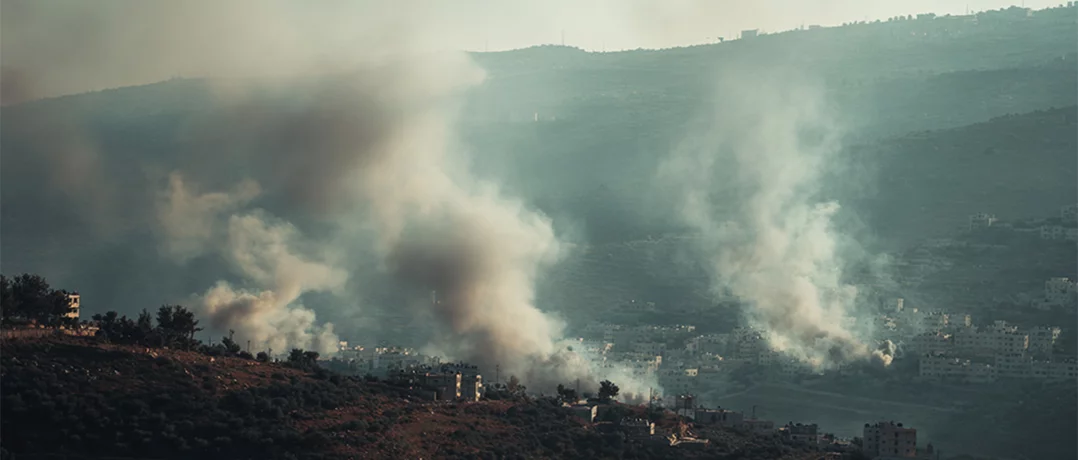
After hopes that cross-border hostilities between Israel and Lebanon would recede in 2026, the early months of the year have instead seen a noticeable rise in Israeli military activity inside Lebanese territory. What many analysts expected to be a period of reduced tension has taken on the characteristics of a sustained and broadening pattern of strikes, raising questions about the future of the ceasefire framework agreed in late 2024 and the prospects for longer-term stability along the volatile northern frontier.
Renewed strikes and rising frequency
The first two weeks of February have seen a sharp uptick in Israeli military activity inside Lebanon. Earlier this month, Lebanese authorities reported that an Israeli drone strike near the Lebanese-Syrian border killed four people, including civilians, marking one of the most lethal single operations in recent weeks. While the Israeli military has described the targets as operatives affiliated with militant factions, the toll underscores the growing human cost of these operations.
The strike did not occur in isolation. It came amid a string of attacks that, taken together, suggest a sustained tempo. In January and early February, Israeli operations spanned southern and eastern Lebanon, from air raids on villages north of the Litani River to strikes on Syria-Lebanon border crossings that Israel said were used for weapons smuggling. In separate raids days later, airstrikes on southern villages wounded at least 19 people and damaged civilian infrastructure.
Mounting civilian impact
United Nations agencies and human rights bodies have provided some of the most consistent independent assessments of the strikes’ impact, documenting what they describe as a clear upward trend.
According to the U.N. human rights office, at least 127 Lebanese civilians have been killed by Israeli strikes since the ceasefire agreement entered into force in late November 2024, with the figure likely an undercount due to verification constraints in conflict zones. The Norwegian Refugee Council similarly reported that more than 50 air raids were carried out on Lebanon in January, the highest monthly total since the U.S.-brokered ceasefire nearly two years ago, illustrating a surge in operations that effectively outpaces last year’s levels.
The rising tempo has also drawn concern from peacekeepers tasked with monitoring the cessation of hostilities. The United Nations Interim Force in Lebanon (UNIFIL) has warned of a growing number of incidents in which Israeli fire or drone activity has occurred close to its positions, describing such episodes as becoming “disturbingly common.” For a mission already operating in a fragile security environment, the pattern underscores how sustained military pressure is narrowing the margin for error on the ground.
Strategic calculations and political stalemates
Israeli officials justify the continued military operations as necessary to counter what they describe as persistent security threats, including weapons smuggling and militant activity near border areas. They contend that robust responses are needed to prevent re-armament of groups such as Hezbollah and affiliated factions, whom they accuse of violating ceasefire terms. These strikes, officials argue, are preventive measures aimed at deterring attacks rather than provocations intended to spark full-scale conflict.
Lebanese authorities, however, view the strikes as a violation of the ceasefire and a destabilizing factor, complicating efforts at national reconciliation and reconstruction. The country’s government has embarked on a phased plan to assert state authority over armed groups north of the Litani River, a move it says is intended to reduce tensions and reassert sovereign control over its territory. That plan faces resistance from Hezbollah and allied political figures who reject disarmament efforts they see as bolstering Israeli objectives.
A fragile regional backdrop
The broader regional context also weighs heavily. Continued hostilities in Gaza and shifting diplomatic alignments across the Middle East have made it harder for Lebanese and Israeli leaders to pursue confidence-building measures. At the same time, the U.N. peacekeeping mission in Lebanon is slated to wind down by the end of 2026, raising concerns among foreign diplomats and analysts that a security vacuum could further embolden strikes on both sides.
Impact on civilian life and prospects for stability
For residents of southern and eastern Lebanon, the increasingly frequent strikes have eroded any sense of post-war normalcy. The renewed pattern of attacks has displaced families, strained local health services, and heightened fears of broader escalation, even as both governments publicly assert they do not seek a return to full-scale war.
Without accompanying diplomatic progress, these strikes risk entrenching an enduring cycle of violence. As 2026 progresses, the trajectory of Israeli strikes in Lebanon appears to be moving further away from de-escalation, raising looming questions about the viability of the ceasefire framework and the prospects for sustainable peace along this fractured border.
-
-

-
The Beiruter
-
