

European powers warn of defensive measures on Iran
European powers warn of defensive measures on Iran
By The Beiruter | March 02, 2026

Reading time: 5 min
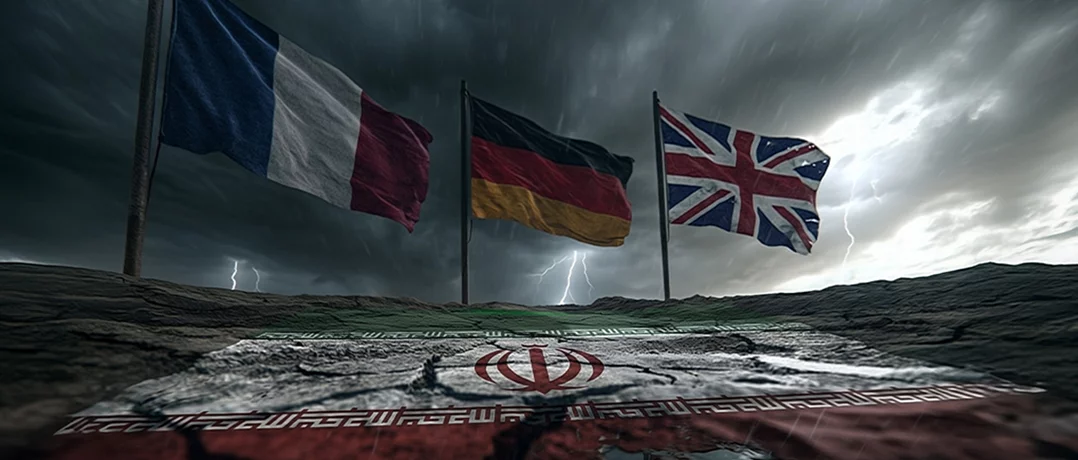
Britain, France and Germany warned Monday that they are prepared to take “necessary and proportionate defensive measures” against Iran, signaling a potential expansion of European involvement in a rapidly widening regional conflict.
In a joint statement, the three governments known as the E3 condemned what they described as “indiscriminate and disproportionate missile attacks” launched by Iran against countries in the region, including states not directly involved in the initial U.S. and Israeli strikes on Tehran.
“We will take steps to defend our interests and those of our allies in the region, potentially through enabling necessary and proportionate defensive action to destroy Iran’s capability to fire missiles and drones at their source,” the statement said. The leaders added they would coordinate closely with the United States and regional partners.
The warning follows a series of Iranian missile and drone strikes targeting U.S. assets and allied positions across the Gulf. The attacks came after joint U.S.–Israeli strikes that reportedly killed several senior Iranian leaders, including Supreme Leader Ayatollah Ali Khamenei.
Britain approves limited base access
British Prime Minister Keir Starmer said the United Kingdom had approved a U.S. request to use British military bases to carry out what he described as limited defensive strikes on Iranian missile stockpiles and launch sites.
In a video message posted on X, Starmer said Washington sought permission for a “specific and limited defensive purpose” aimed at preventing further missile launches across the region. He said Britain granted the request to help curb ongoing threats to allied forces and civilians.
Starmer stressed that the UK did not participate in the joint U.S.–Israeli airstrikes that killed Khamenei and does not intend to join additional offensive operations. However, he said Iran’s retaliatory strikes had affected locations where British nationals were present, including airports and hotels.
British fighter jets are already participating in joint defensive missions and have intercepted Iranian projectiles, Starmer said. He argued that targeting missile stockpiles and launch infrastructure was the most effective way to prevent further escalation. The decision, he added, was grounded in “collective self-defense” and the protection of British lives “in accordance with international law.”
Following his announcement, officials in Cyprus and Britain’s Ministry of Defence said the Royal Air Force base at Akrotiri had been targeted overnight in what they described as a suspected Iranian drone attack. No damage or casualties were immediately reported.
From mediation to military coordination
For nearly a decade, Britain, France and Germany sought to preserve diplomatic engagement with Iran, particularly after the 2015 nuclear agreement. Their latest statement marks a notable shift in tone from mediation to deterrence.
The E3 said Iran’s recent strikes threaten both military personnel and civilians, including European service members stationed across the region.
German military sources said Iranian missiles struck near a multinational base in Erbil, Iraq, and a German military camp in eastern Jordan. No casualties were reported.
The developments suggest increasing coordination between European capitals and Washington, expanding what began as a U.S.–Israeli confrontation with Iran.
Escalation risks
European officials have framed their posture as defensive. But language in the E3 statement referencing action to “destroy capability at the source” suggests preparations that could extend beyond interception and force protection.
If European forces move from air defense and intelligence support to direct strikes on Iranian launch infrastructure, it would mark one of the most significant escalations in Western–Iran tensions in years.
Across the Middle East, including in Lebanon, governments are watching closely. Additional Western involvement raises concerns that the conflict could broaden beyond targeted exchanges into a wider international war.
For now, European leaders maintain that their objective is deterrence. Whether that stance holds will depend largely on the scale and persistence of Iranian attacks in the days ahead.
-
-

-
The Beiruter
-
