A humorous reflection on the forty days of Lent fasting, exploring how replacing meat with vegetables, beans, and chickpeas becomes an unexpected culinary, cultural, and personal journey.


A humorous reflection on the forty days of Lent fasting, exploring how replacing meat with vegetables, beans, and chickpeas becomes an unexpected culinary, cultural, and personal journey.

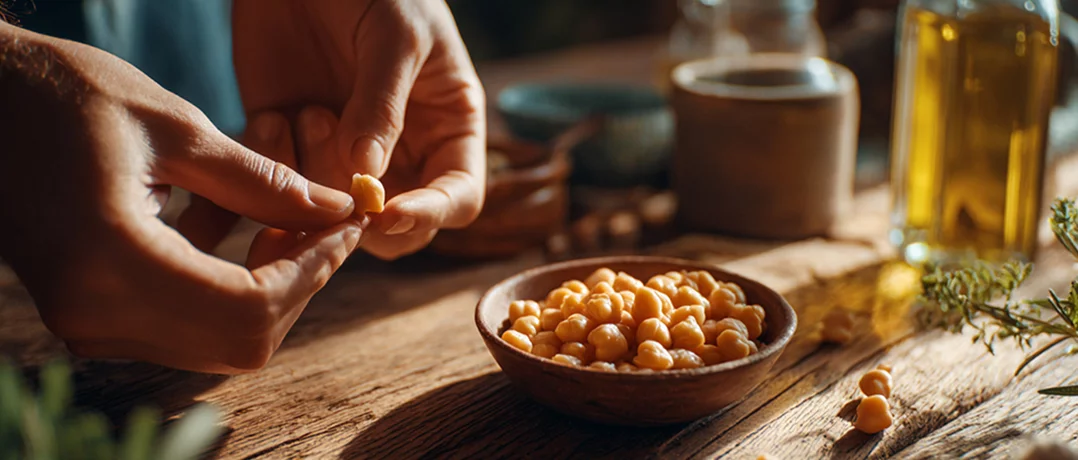
Every year during Lent, a phenomenon occurs that science has not yet fully explained. Fully grown adults, with free will, frozen bank accounts, and sometimes even a modern barbecue grill, suddenly decide to replace a slice of beef with chickpeas. This is not due to a shortage in the market or a delivery mistake. It is a voluntary, intentional, almost joyful decision. And inevitably the question arises, like the faint whisper of a white bean in a silent library: what do we become when we spend forty days living on vegetables, beans, chickpeas, and their companions?
During the first week we become more cautious. We, former meat eaters once confident in the decisive strike of our fork, now move slowly through the fruit and vegetable section. We inspect eggplants as if they were undergoing a job interview, weigh zucchini with solemnity, and read lentil labels, yes, we really do. We who once chose meat by instinct now discover the diversity of lentils in red, green, yellow, and black, entering a colorful world we never imagined. Soon we become organized, because vegetables cannot be improvised. They must be planned, chopped, and supervised. A carrot does not tolerate randomness, cauliflower requires strategy, and chickpeas demand preparation that borders on military discipline: soaking, cooking, seasoning. Chickpeas are not to be underestimated. They are small and round but highly demanding.
At this stage our vocabulary begins to change. We no longer speak of a meal but of a composition. We do not say “I am hungry,” but “I need fiber.” The word protein becomes familiar, always preceded by the adjective “plant-based,” pronounced with a quiet smile suggesting gentle confidence.
Then comes the second week, the week of internal transformation. The body, relieved of its meat-based habits, seems to wonder what has happened. It gazes toward the horizon searching for a lost piece of meat, only to find dried peas. It adapts, becoming calmer and more reflective. Some even claim they feel a kind of moral chlorophyll growing within them. We grow contemplative. A simple plate of green beans, once just a side dish, becomes a topic of conversation. We describe it as crisp in the tone of an art critic examining an impressionist painting. We rediscover the nobility of turnips and marvel at the aromatic complexity of wild thyme. Vegetables are no longer secondary. They are the star of the show.
The experience does not come without side effects. Beans, that reserved artist, possess a certain acoustic talent that requires no further explanation. It is enough to say that fasting strengthens a degree of intimacy with oneself, with open windows, and with scented air fresheners. This is not necessarily a flaw; rather it is a practical reminder that we are alive.
By the third week we become creative. A human deprived of a slice of meat is capable of remarkable inventions. Chickpeas become hummus, patties, curries, stews, balls, and spreads. We mix them, crush them, elevate them, almost speaking to them: we will succeed together.
Meals among friends take on an experimental tone. Someone proudly announces that today’s lunch is a gratin of root vegetables with toasted cumin. No one is entirely sure what that means, but everyone nods respectfully. We taste, comment, and tilt our heads in an atmosphere resembling a culinary laboratory, while the radish regains its dignity after years of ridicule.
Gradually we grow more inclined toward ethics, gently and without declarations. We look at meat eaters with sympathetic curiosity rather than disdain, almost with scientific compassion. We whisper that lentils are a complete food, not as criticism but as a friendly invitation to transformation.
The surprise is that we become lighter, not only in weight, although our trousers testify to some comfort, but also in thought. Meals are no longer performances but pauses. We chew slowly, taste deeply, and discover that fullness can be quiet, without spectacle or noise.
Anyone who thinks fasting brings sadness has clearly never met beetroot. Beetroot is cheerful, coloring everything it touches, the table, the fingers, leaving a stubborn childhood-like memory behind.
At this stage we begin to wonder: do we become rabbits? The answer is no. A rabbit eats without questions. We, on the other hand, debate steaming techniques, compare quinoa with bulgur, and analyze the texture of chickpeas as if they were a luxury harvest.
The truth is that we become more attentive. We notice what we place on our plates, our appetite, and the strange satisfaction that voluntary restraint can bring. Fasting is not punishment; it is a serious game, an experiment, a challenge to our habits.
Of course there are moments of weakness. The smell of grilled meat can cause a tremor. The sight of sausages roasting in a street market may awaken nostalgia like an old song. We turn our gaze away, breathe deeply, focus on a bunch of green onions. The craving fades, the onions remain.
Gradually we develop a bond with the garden. We understand the silent labor of seeds and respect the rhythm of seasons. We stop demanding delicious tomatoes in February as if requesting a miracle out of season, and we become more patient.
As the fortieth day approaches something strange happens. We no longer count the days like prisoners awaiting release. Instead we count successful recipes. We speak fondly of a bowl of boiled chickpeas that reconciled us with the world, of potato kibbeh and pumpkin kibbeh with its filling, as if they had been friends for years.
And then comes that moment when we, former meat eaters, find ourselves showing affection toward a pumpkin as though it were an old friend. People around us begin to worry, staring as if we have discovered a dangerous secret about the plant kingdom. Vegetarian fasting changes not only the plate but the rules of the living room.
Someone who once spent an hour debating the best way to cook a rack of lamb now speaks seriously about the resilience of artichokes. The word legumes is pronounced the way others say “deep philosophy.” In restaurants we no longer ask about the wine list but about the chickpeas. If we discover they are premium chickpeas, we nod solemnly as if a new ambassador has arrived in the city.
Some of us even change our perspective. We observe flowerbeds like environmental activists, sigh at the sight of a neglected planter, and treat every bunch of parsley as a companion in the green campaign. At the table we become strategic herbologists. We detect infiltrating coriander, trace hidden butter, and monitor suspicious broth. We can be seen sniffing soup with the concentration of a customs inspector investigating a serious crime.
And yet beneath this strict vegetable discipline, the old beast still lurks. All it takes is for the neighbor to light the barbecue for our pupils to widen slightly. We gather our composure, eat an almond with dignity, list the virtues of magnesium, while internally conducting a very complicated negotiation.
Here lies the beautiful contradiction: chickpeas have never been so round and calm, and humans have never been so complicated in front of such a simple dish.
So what do we truly become during this vegetarian fast? We become more aware, creative, and humble. We discover that pleasure is not limited to a thick slice of bleeding steak. It may exist in a colorful plate, a blend of spices, the softness of lentil purée.
We do not become saints or ascetics. We remain imperfect humans. We may occasionally dream of an imaginary steak. Yet we learn that changing habits does not mean losing our sense of humor. We learn that it is possible to laugh at a stubborn bean and still thrive thanks to well-prepared chickpeas.
When the fast ends, two options lie before us: return to meat with the enthusiasm of an explorer who has rediscovered civilization, or keep a permanent place for those vegetables that taught us patience and lightness.
During those forty days we do not become plants. We become humans who are more rooted, greener in spirit, and more skilled in bean recipes. And if we gain the ability to laugh at our own excesses along the way, then the fast has achieved its purpose: turning a simple plate of vegetables into an inner journey.
Which is no small achievement for a chickpea.

