



Lindsey Graham warns that Hamas and Hezbollah are rearming, threatening fragile ceasefires in Gaza and southern Lebanon.
Graham accuses Hamas and Hezbollah of rearming
Graham accuses Hamas and Hezbollah of rearming
By The Beiruter | December 23, 2025

Reading time: 3 min
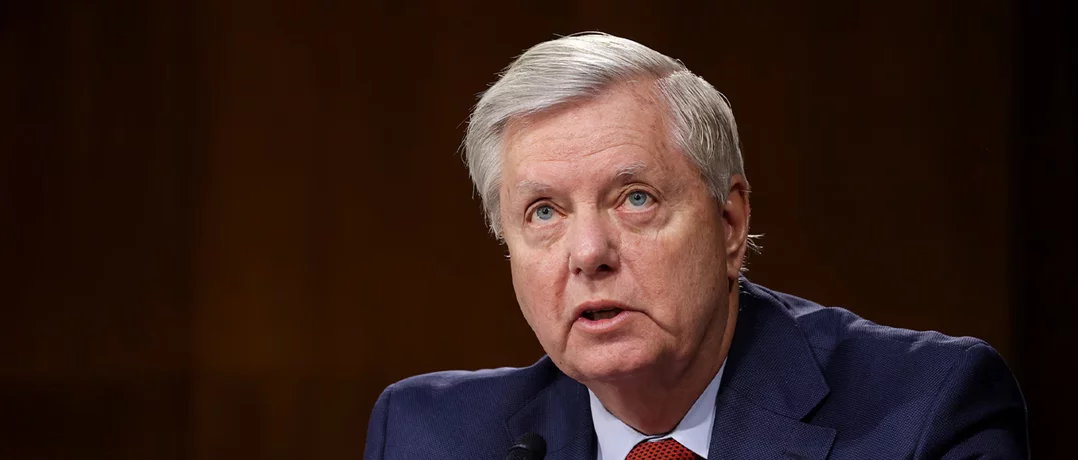
Fresh warnings from United States (US) Senator Lindsey Graham have intensified concerns over the durability of the fragile ceasefires in Gaza and along the Lebanese border.
During a visit to Israel, Graham accused both Hamas and Hezbollah of rearming despite ongoing truce arrangements, arguing that their actions threaten any realistic pathway toward lasting stability.
His remarks come as regional mediators struggle to preserve ceasefires that have reduced, but not ended, hostilities after years of conflict.
Allegations of Hamas rearming and power consolidation
Speaking from Tel Aviv following meetings with Israeli Prime Minister Benjamin Netanyahu, Graham said his impression, based on Israeli and US intelligence briefings, was that Hamas is “not disarming” but instead rebuilding its military capabilities. He further claimed the group is working to consolidate its control over Gaza rather than preparing to relinquish power under the proposed political arrangements.
These allegations strike at the heart of international mediation efforts. The second phase of the Gaza ceasefire, backed by the US, Qatar, Egypt, and Turkey, envisions an Israeli withdrawal, the formation of an interim governing authority to replace Hamas, and the deployment of an international stabilization force. Central to this plan is the demilitarization of Gaza, including the disarmament of Hamas; an objective Graham described as indispensable for peace.
Hezbollah and the northern front
Graham extended his warnings to Lebanon, claiming that he believed Hezbollah was also seeking to replenish and expand its arsenal.
While a ceasefire between Israel and Hezbollah has been in place since November 2024, Israel has continued to conduct strikes inside Lebanon, citing security threats. Israeli officials have repeatedly questioned whether Hezbollah is honoring the spirit of the truce, particularly amid reports of ongoing weapons production and stockpiling.
The Lebanese government has formally committed to disarming Hezbollah, beginning in the south of the country, but progress remains contentious. Hezbollah has refused to lay down its weapons, framing them as necessary for resistance against Israel, while Israel has expressed skepticism about the Lebanese army’s ability to enforce disarmament effectively.
Pressure and the risk of escalation
Graham’s comments, which even entailed calls for renewed military action against both Hamas and Hezbollah, came as international mediators renewed calls for both sides in Gaza to respect the ceasefire. Despite a relative reduction in violence since October, accusations of violations persist. Hamas has accused Israel of breaching the truce through continued military operations, while Israeli officials maintain that Hamas’ alleged rearmament undermines confidence in the process.
In media interviews, Graham urged Washington and Jerusalem to impose clear deadlines on Hamas, warning that there could be no stabilizing force or reconstruction effort in Gaza as long as the group remains armed and determined to stay in power. His language underscored a growing impatience among some US and Israeli policymakers with the slow pace of political progress.
In conclusion, Graham’s warnings highlight the deep mistrust surrounding the ceasefires in Gaza and Lebanon and the central role that disarmament plays in shaping their future. As mediators push for next steps toward political transition and reconstruction, allegations of rearmament by Hamas and Hezbollah threaten to derail fragile gains.
Whether diplomacy can overcome these mutual suspicions, or whether the region is headed toward renewed confrontation, remains one of the defining questions facing the Middle East as it moves toward 2026.
-
-

-
The Beiruter
-
