



Hezbollah’s take on Salam’s southern visit

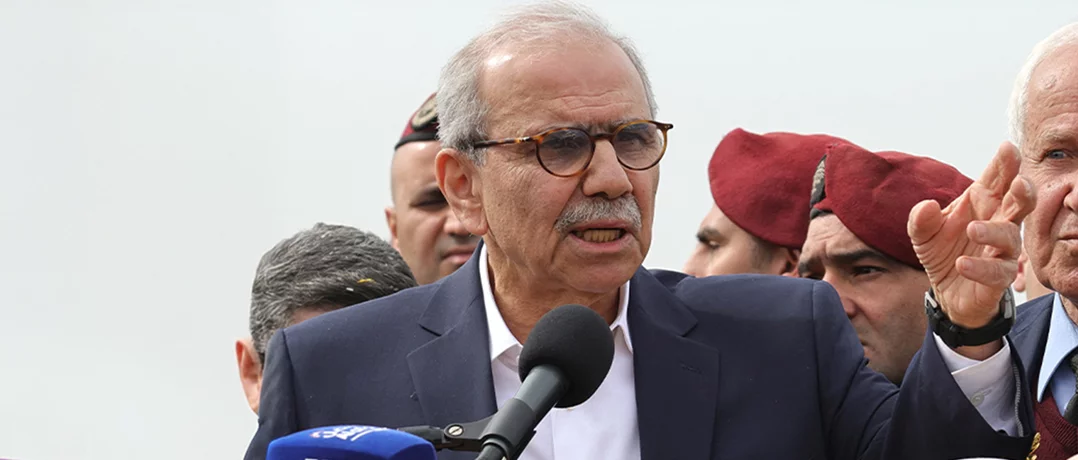
Hezbollah has responded to Lebanese Prime Minister Nawaf Salam’s visit to southern Lebanon, a tour that quickly drew heightened political scrutiny amid continued tensions in the region. The implications of the visit are still reverberating within the group’s leadership circles.
To better understand Hezbollah’s position and its assessment of the prime minister’s trip, The Beiruter reached out to Ghaleb Abou Zeinab, a member of the group’s Political Bureau, to obtain the group’s official reaction and perspective.
Action expected
Abou Zeinab asserted to The Beiruter that the Prime Minister’s visit to southern Lebanon was widely perceived as a positive and welcomed gesture, reflecting a rare instance of direct engagement between state leadership and local communities. Residents appeared reassured by the visit, viewing it as a departure from distant political rhetoric toward tangible presence on the ground.
By touring villages, inspecting damaged infrastructure, meeting residents affected by recent hostilities, and pledging aid (based on the government’s capabilities), the Prime Minister conveyed a sense of solidarity with communities that have long felt marginalized. The symbolic importance of such a visit lies in fostering public confidence, as citizens witnessed senior government leadership acknowledging their hardships firsthand.
Nevertheless, Abou Zeinab believed that the visit and official statements must also be translated into concrete and measurable actions. Local communities continue to face mounting challenges, particularly amid ongoing Israeli violations that residents believe are intended to weaken their resilience and determination. As a result, Abou Zeinab stressed that the significance of the visit will ultimately be measured by the government’s ability to ensure that words are met with action.
Despite differing opinions regarding specific issues addressed during the tour, the overall atmosphere, Abou Zeinab noted, reflected constructive interaction between political authorities and citizens. Public reception across various locations demonstrated readiness to cooperate with government initiatives while anticipating meaningful follow-up measures. Ultimately, the visit represented an encouraging step forward, though it requires sustained governmental commitment through practical and essential policy implementation.
Salam’s visit to the South
Southern Lebanon remains among the areas most severely impacted by recent hostilities. Several border villages suffered extensive destruction, with towns such as Kfar Kila and Aita al-Shaab witnessing near-total infrastructural collapse. In certain localities, nearly 90% of buildings were destroyed, leaving residents displaced and unable to return to their homes. The humanitarian consequences have been severe, affecting livelihoods, education, and access to essential services.
During his visit, Salam toured several devastated villages and acknowledged the magnitude of destruction, describing it as a national catastrophe. His engagement with displaced residents and municipal leaders aimed to address longstanding perceptions of governmental neglect toward the South. The visit also underscored the urgency of reconstruction as a prerequisite for restoring normalcy and encouraging displaced families to return.
Reconstruction as a strategic priority
A central focus of Salam’s visit was the government’s reconstruction agenda, which seeks to restore basic infrastructure and support economic recovery. Planned projects include rehabilitating roads, restoring electricity and water networks, reconnecting telecommunications systems, and rebuilding public facilities such as schools and hospitals. Salam announced that some reconstruction projects would begin within weeks, although full recovery is expected to require considerable time and sustained financial investment. Salam stressed that reconstruction efforts will extend beyond physical infrastructure to include economic revitalization initiatives, such as supporting agriculture, local businesses, and employment opportunities, reflecting an integrated recovery strategy.
Restoring state authority and sovereignty
Beyond reconstruction, Salam’s tour carried strong political significance regarding the restoration of state authority in southern Lebanon. The region has long been influenced by Hezbollah’s military and political presence, often overshadowing formal state institutions. Salam stressed that reestablishing state authority involves more than deploying the Lebanese Army; it requires strengthening governmental institutions, social services, and legal frameworks. The expanded operational presence of the Lebanese Army south of the Litani River represents a key component of this strategy. Salam’s meetings with political representatives across various factions, including Hezbollah and opposition figures, suggested efforts to frame state restoration as a national objective rather than a partisan initiative.
Public reception during the visit reflected cautious optimism, as residents expressed hope that the government’s renewed engagement would lead to tangible improvements in security and living conditions.
In conclusion, Prime Minister Nawaf Salam’s visit to South Lebanon represents a crucial step toward ensuring close contact with the people, addressing humanitarian needs, rebuilding devastated infrastructure, and reaffirming state sovereignty. By combining reconstruction efforts with institutional strengthening and enhanced security coordination, the government aims to reintegrate the South into Lebanon’s broader national framework. However, the success of these initiatives will depend on sustained political consensus, effective reform implementation, and improved regional stability, which remain essential for ensuring long-term recovery and national cohesion.
-
-

-
The Beiruter
-
