



Hilltop Youth seeks to infiltrate Netanyahu’s Likud party to gain influence amid ongoing settler violence.
Hilltop Youth eyes influence inside Likud

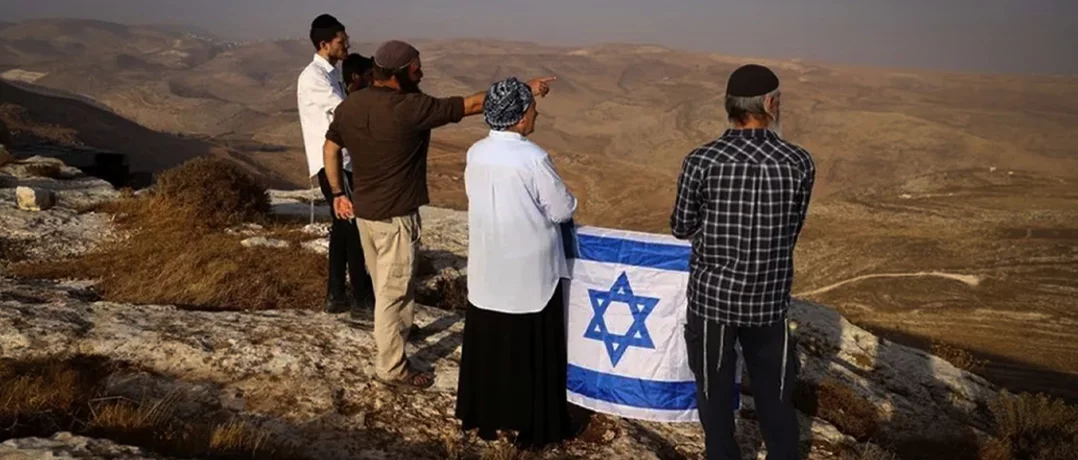
On November 19, 2025, political sources in Tel Aviv disclosed that the extremist settler network commonly referred to as the “Hilltop Youth,” an organization historically linked to violent actions against Palestinians and, at times, confrontations with Israeli security forces, has initiated a coordinated effort to embed its members within Prime Minister Benjamin Netanyahu’s Likud party.
This effort appears designed to shape intra-party deliberations, influence policy positions on settlement expansion, and consolidate the group’s political standing within mainstream right-wing structures.
Hilltop Youth’s goals and activities
According to these sources, the political push coincides with the group’s continued involvement in coercive activities across the West Bank. Hundreds of Hilltop Youth adherents have been engaged in a series of aggressive acts, including shootings, physical assaults, arson targeting Palestinian homes and vehicles, intimidation of farmers during the olive harvest, and the seizure of land for the establishment of unauthorized outposts. The United States Department of Treasury, which levied sanctions against the group in 2024, claimed that Hilltop Youth are also known for vandalizing churches and mosques, spray-painted hateful graffiti messages on Palestinian-owned property, and uprooting olive trees in an effort to intimidate and spread fear. These patterns reflect a longstanding strategy that blends ideological militancy with efforts to alter territorial realities on the ground.
An internal communication, reportedly circulated among Hilltop Youth leaders, explicitly urges supporters to compete for positions on the Likud Central Committee, particularly within the Binyamin branch. It stated, “We in the hills are running representatives for the Likud Central Committee in the Binyamin branch. For many long years we have been facing challenges from within and without, physically preventing Palestinian takeover of our land. In order to continue succeeding in this important mission, we are trying to bring several representatives from the hills into the Likud Central Committee, so we can influence Knesset members and ministers.” The message framed political penetration of Likud as a strategic imperative, asserting that representation within the party’s institutional framework would enable the group to more effectively pressure ministers and legislators while safeguarding what it describes as “Jewish land” from perceived Palestinian encroachment. This rhetoric reflects a settler-nationalist worldview that casts territorial control as both existential and non-negotiable.
The report further emphasized that many prominent figures within Hilltop Youth have been detained in the past on suspicion of involvement in nationalist violence. Although attempts by the organization to infiltrate Likud are not unprecedented, previous efforts largely unfolded discreetly. The increased visibility of the current campaign appears to be linked to tensions surrounding the recent evacuation of an unauthorized outpost constructed by group members. The site, identified by both the Gush Etzion Settlement Council and a legalization team overseen by Finance Minister Bezalel Smotrich as an area earmarked for future settlement development, became a focal point of contention after Hilltop Youth activists asserted ownership claims over the land.
The evacuated location mirrors numerous other unrecognized outposts established through Hilltop Youth land seizures throughout the West Bank. The organization reportedly fears that further evacuations could impede its activities or potentially facilitate alternative settlement planning processes, thereby motivating its pursuit of political leverage within Likud’s internal structures.
Supporters of the Hilltop Youth list include individuals who have previously been interrogated by the Shin Bet on suspicions of nationalist terrorism. These incidents highlight the extent to which the group’s political aspirations are intertwined with a record of extremist activity.
Hilltop Youth: a cause for intra-settler fractures
The initiative has accentuated tensions within the broader settler movement. Israel Ganz, head of the Binyamin Regional Council and a senior settler leader, recently condemned Hilltop Youth activists following assaults on Israeli soldiers. In response, the group labeled Ganz excessively conciliatory and has encouraged efforts to unseat him; illustrating intra-settler fractures over both tactics and political strategy.
Likud’s internal elections, scheduled for next week, will determine not only the party’s national slate but also the composition of its Central Committee; an institution with significant influence over internal party governance. Hilltop Youth candidates will compete against factions aligned with figures such as Israel Ganz and Likud MK Avichai Boaron.
In parallel with these developments, and amid escalating settler violence, Prime Minister Netanyahu announced 2 meetings to address the issue (one centered on educational responses and another on legal measures). Israeli media reports suggest that senior ministers, police officials, the government coordinator for the territories, and Shin Bet representatives have been invited. While officials indicate that Shin Bet chief David Zini may propose electronic monitoring for Hilltop Youth members implicated in violent acts, the cabinet is reportedly unlikely to approve such a measure.
-
-

-
The Beiruter
-
