

As summer temperatures rise, staying hydrated becomes essential to protecting the body from dehydration; this guide explains how to recognize warning signs, replace lost fluids and electrolytes, and build simple habits to stay safe during heat waves.
How to survive summer heat

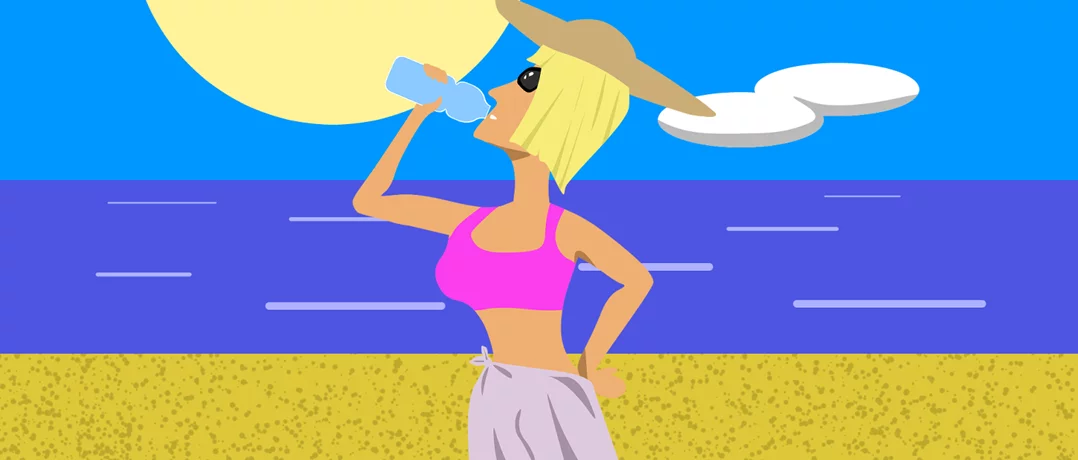
As temperatures rise during summer, the body requires extra care to maintain its fluid balance. During hot days, sweating increases as the body’s natural way of cooling itself. When fluids are lost without being adequately replaced, symptoms such as fatigue, headaches, dizziness and dry mouth may appear. Therefore, we should not wait until we feel intense thirst before drinking water. Regular hydration throughout the day is one of the simplest ways to help the body tolerate heat and maintain energy.
The body continuously loses water through sweating, breathing and urination. When temperatures rise, the amount of fluids lost through sweating increases, especially during exercise or outdoor work. The amount of fluid each person needs varies depending on age, weight, activity level, temperature, humidity and health condition. In general, basic daily needs are estimated at around nine cups of fluids for women and 13 cups for men, but the need may increase in hot weather. These numbers should therefore be considered general guidelines, not a fixed amount that applies equally to everyone.
Do not wait until you feel thirsty
One of the most useful habits during summer is making water consumption part of your daily routine. Instead of drinking a large amount all at once, try spreading your fluid intake throughout the day. Keeping a water bottle at work, in the car or while going out, and refilling it regularly, can help. If you are someone who forgets to drink water, setting a reminder on your phone can be useful. Paying attention to hydration becomes even more important when exercising or spending long periods under the sun.
Hydration does not only come from water and beverages. Many foods contain high levels of water and can contribute to meeting the body’s daily fluid needs. Some of the best summer options include watermelon, melon, strawberries, cucumber, lettuce, tomatoes, oranges, bell peppers, milk and yogurt, as well as soups and broths. These foods can be added to meals or eaten as snacks throughout the day. Eating salads and fresh fruits also helps combine fluids with vitamins, minerals and fiber.
What happens to minerals when we sweat?
When we sweat, the body does not only lose water but also loses some minerals known as electrolytes. These include sodium, potassium, magnesium and calcium, which are important for muscle and nerve function and for maintaining fluid balance.
In most cases, a person can obtain enough of these minerals through a balanced diet. However, during heavy sweating or prolonged physical activity in high temperatures, the need to replace fluids and electrolytes may increase. In some situations, solutions or drinks containing electrolytes can be used, but these products are not necessary for everyone on a daily basis. It is also important to note that some sports drinks contain high amounts of sugar or sodium.
How can you make drinking water easier?
If you do not enjoy the taste of water or find it difficult to drink enough, try changing the way you consume it. For example, you can prepare naturally flavored water by adding slices of lemon, orange, cucumber, strawberries, mint or berries. Unsweetened iced herbal tea can also be a refreshing option.
As for sugary drinks, it is better to limit them because they may add large amounts of sugar without being the best choice for daily hydration.
Urine color can serve as a simple indicator of hydration levels. Usually, light-colored urine is a good sign that you are consuming enough fluids, while dark or strong-smelling urine may indicate the need to increase fluid intake. However, urine color can also be affected by certain foods, supplements and medications, so it should not be relied on alone to assess hydration.
There are signs that should not be ignored. Dehydration may begin with mild symptoms, but leaving it untreated can lead to more serious effects.
Common signs of dehydration include thirst, dry mouth and lips, fatigue and weakness, headaches, dizziness, reduced urination and dark-colored urine. If these signs appear, it is important to move to a cooler place and begin drinking fluids gradually.
However, if a person experiences severe or persistent dizziness, rapid heartbeat or breathing, noticeable weakness, unusual drowsiness or confusion, urgent medical assistance should be sought.
Protecting yourself from heat
Hydration is important, but it is not the only measure needed to prevent the effects of heat. During extremely hot days, try to stay in cool and air-conditioned places whenever possible and avoid direct exposure to the sun during peak hours.
When going outside, wear light and comfortable clothing and use appropriate sun protection. If you exercise outdoors, choose cooler times of the day, such as early morning or evening.
Special attention should be given to children, older adults and people with chronic illnesses, as they may be more vulnerable to dehydration and the effects of heat.
The best way to deal with heat waves is to avoid waiting until dehydration symptoms appear. Make drinking water a habit spread throughout the day, add water-rich foods such as fruits, vegetables and yogurt to your diet, and during periods of heavy sweating, pay attention to your need for fluids and electrolytes depending on your activity level and surrounding conditions.
-
-

-
The Beiruter
-
