Francophonie Month 2026 in Lebanon celebrates language, poetry, youth, and cultural diversity, offering a platform for dialogue, creativity, and connection between Lebanon and its global diaspora.


Francophonie Month 2026 in Lebanon celebrates language, poetry, youth, and cultural diversity, offering a platform for dialogue, creativity, and connection between Lebanon and its global diaspora.

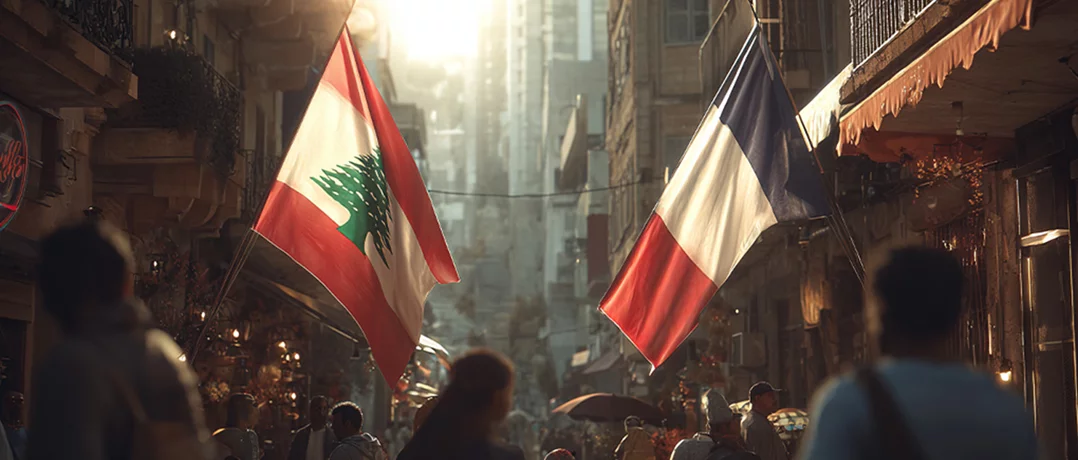
Francophonie Month returns this March, with the 2026 edition positioning itself as a cultural bridge linking languages, generations and geographies, while placing poetry and youth at its center.
The Ministry of Culture told The Beiruter that this year’s program opens on March 3 and will unfold through a diverse calendar of film screenings, literary encounters, poetry performances, writing competitions, exhibitions, workshops, concerts and academic initiatives across the country.
Minister of Culture Dr. Ghassan Salameh told The Beiruter that Francophonie is more than a linguistic space. “Francophonie constitutes a key bridge for peaceful and lasting communication between Lebanon and its diaspora around the world,” he said, highlighting the deep Lebanese presence in France, Canada, Belgium, Switzerland and Francophone Africa.
Reflecting on Lebanon’s role in hosting the Francophonie Summit 24 years ago, Salameh added that the country’s relationship with Francophonie holds “a visible treasure and another hidden one,” enabling smoother ties with member states and stronger connections with expatriate communities.
He also underscored the educational dimension of the month, highlighting a nationwide writing competition on Arabic-French bilingualism that has engaged hundreds of students across the country.
Globally, Francophonie Month 2026 carries the theme “Building peace through equality and celebrating diversity.”
In Lebanon, that vision translates into a multidisciplinary program designed to create spaces for dialogue, creativity and exchange. From public debates to cinematic narratives exploring justice, memory and inclusion, the month frames culture not solely as entertainment, but as a tool for coexistence.
International Francophonie Day this year will spotlight youth under the theme “Youth’s vision for a more peaceful world,” reinforcing the central role young people play in shaping both language and society.
While the month includes more than 20 events organized by the French Institute in Beirut, one artistic direction stands out: poetry.
This year’s edition deliberately places contemporary poetry at the forefront poetry that is “alive and engaged,” moving between Arabic and French and addressing today’s political and social questions. Highlights include a nationwide youth poetry challenge across the Institute’s media libraries; the theatrical performance “Fire Around the Eye” by Hiam Yared; the exhibition “Black Sun”; a roundtable debate titled “Is Poetry a Political Necessity?” featuring prominent literary voices; the first Lebanon edition of “Rima’s Poetry Club,” paying tribute to poet Vénus Khoury-Ghata; and a performance blending peace, spoken word and electronic music by Belgian Congolese poet Lisette Lombé and French-Lebanese musician Marc Nammour.
In Lebanon, Francophonie is both heritage and daily practice. The month reflects a living, evolving identity. Throughout March, events remain largely free and open to the public, inviting both French-speaking and non-French-speaking audiences to participate. Francophonie Month 2026 positions itself as a space of dialogue between languages, between generations and between Lebanon and the world.

