



Israel launched airstrikes across Lebanon after Hezbollah fired missiles and drones at northern Israel over the killing of Iran’s Supreme Leader Ali Khamenei, marking the most serious escalation since the 2024 ceasefire.
Israel and Hezbollah enter open war

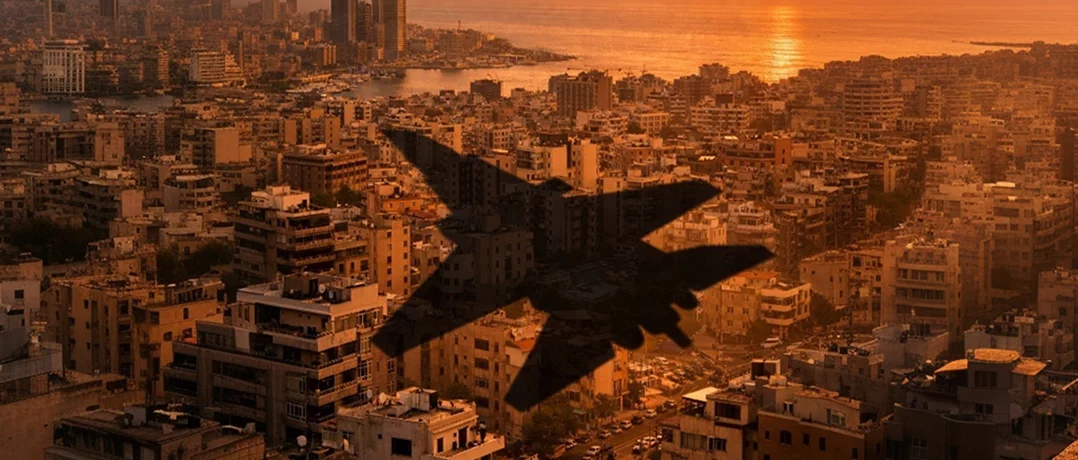
Israeli jets launched a major offensive campaign against Hezbollah targets across Lebanon in the early hours of Monday, March 2, 2026, after the Iran-backed group fired six precision missiles along with a swarm of drones at military installations in northern Israel. The Israeli Defense Forces (IDF) described the retaliation as an “offensive campaign” that Chief of Staff Lt. Gen. Eyal Zamir warned would “likely last several days.”
The exchange marks the most serious escalation on Israel's northern front since a U.S.-brokered ceasefire took effect in November 2024 and the first time Hezbollah has fired at Israel since that truce began.
Hezbollah's barrage: Revenge for Khamenei
Hezbollah claimed responsibility for launching what it described as 'a barrage of precision missiles and a swarm of drones,' saying the attack was carried out 'as revenge for the blood of the Supreme Leader of the Muslims, Ali Khamenei.' The group said it targeted a missile defense site south of Haifa in northern Israel. Hezbollah framed the attack as retaliation for the killing of Iranian Supreme Leader Ayatollah Ali Khamenei during what appears to be a joint Israeli-U.S. strike operation on Iran that began on Saturday, February 28, 2026.
Hezbollah's statement added that the attack was waged 'in defense of Lebanon and its people' and 'in response to the repeated Israeli aggressions,' referencing a pattern of near-daily Israeli strikes inside Lebanon that had continued despite the November 2024 ceasefire agreement.
Israel’s response: Airstrikes on Beirut
Israel responded swiftly with waves of airstrikes targeting multiple regions across Lebanon, including the capital, Beirut, and the Dahiyeh suburb a densely populated residential district and longstanding Hezbollah stronghold in the city’s south. Lebanon’s state-run National News Agency reported that the strikes killed 31 people and wounded 149 others. No casualties were reported in Israel following Hezbollah’s missile and drone barrage.
Since the November 2024 ceasefire, the Israeli military says it has killed more than 390 Hezbollah operatives, while the United Nations reports that more than 330 people were killed in Israeli operations in Lebanon through late 2025. The United Nations Interim Force in Lebanon (UNIFIL) has documented more than 10,000 alleged Israeli ceasefire violations, and Lebanon filed a complaint with the United Nations citing 2,036 breaches of sovereignty in the final three months of 2025. The Israeli military says it has conducted more than 1,200 operations in southern Lebanon, seizing over 155,000 weapons. Amnesty International documented more than 10,000 buildings damaged or destroyed during the 2024 war, while Lebanese authorities reported strikes affecting hospitals, clinics, ambulances and more than 60 schools.
Israel’s defense minister, Israel Katz, issued a sharp warning to the group, declaring that Hezbollah Secretary-General Naim Qassem is “now a marked target for assassination,” and adding that “anyone who follows Khamenei’s path will soon find himself in the depths of hell.”
The Israel Defense Forces issued evacuation orders for dozens of villages in southern and eastern Lebanon, including areas in the Bekaa Valley, before carrying out strikes there. The military accused Hezbollah of initiating the conflict despite Israeli warnings and appeals from the Lebanese government, saying the group was “destroying the state of Lebanon.”
Government rift deepens as Lebanon enters the war
Lebanese Prime Minister Nawaf Salam sharply condemned Hezbollah’s decision to fire on Israel, calling it an “irresponsible act” that underscores the widening divide between the government and the armed group over unilateral military action. Beirut had previously urged Hezbollah to stay out of the confrontation, as it did during the 12-day Israel–Iran war in June 2025, but that appeal was ignored.
With the latest escalation, Lebanon is no longer a bystander. The country has effectively entered the war.
Following a Cabinet session, Salam said ministers unanimously rejected any military action conducted outside the authority of the state’s legitimate institutions, reiterating that decisions of war and peace rest exclusively with the government. He described Hezbollah’s recent move as a direct violation of Cabinet policy.
The prime minister said the army commander had been instructed to immediately implement relevant elements of the military’s plan to consolidate control over weapons north of the Litani River, using all available means to enforce it.
He added that the Foreign Ministry had been tasked with intensifying diplomatic efforts to halt Israeli attacks and push for the implementation of international resolutions, while the Social Affairs Ministry was directed to secure shelter, food, and essential supplies for displaced families.
-
-

-
The Beiruter
-
