



Beirut is preparing to open a new Journalists’ Park to honor Lebanese media professionals, promote press freedom and commemorate those who paid a heavy price for their work.
Journalists’ park in Beirut: Honoring the free word
Journalists’ park in Beirut: Honoring the free word
By The Beiruter | January 29, 2026

Reading time: 4 min
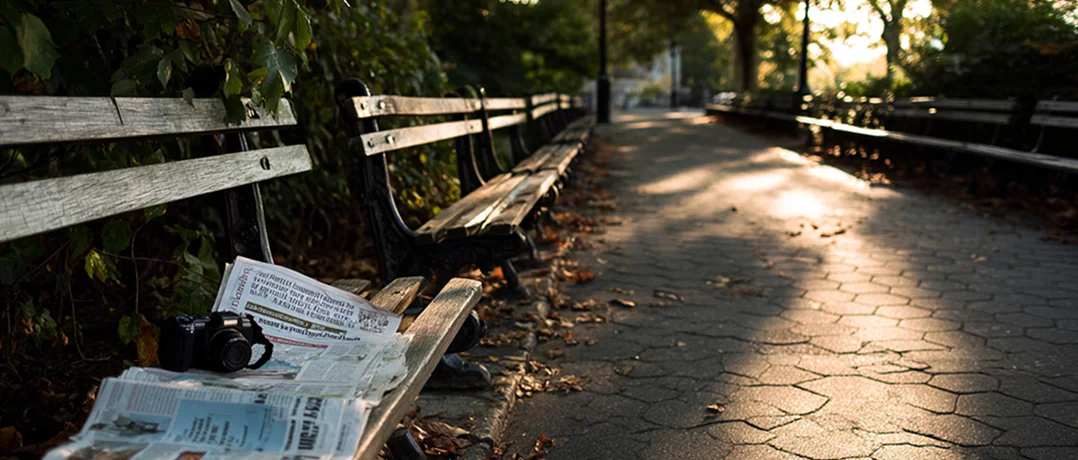
In a city long shaped by words: spoken, written, broadcast, and contested, Beirut is preparing to dedicate a public space to those who have carried the weight of truth through its most turbulent years. In an exclusive interview with Minister of Information Paul Morcos, he frames the park as a long-overdue act of recognition toward journalists who have paid a high price for their work. The park is a statement: that journalism still matters, that memory must be preserved, and that the free word deserves a place in the public sphere.
How the idea was born
According to Morcos, the idea of establishing the “Journalists and Media Professionals’ Park” stemmed from a deeply held personal and institutional conviction about the role of journalism in Lebanese society. “The initiative was born from a firm belief in the importance of recognizing the role of Lebanese journalists and media professionals in serving truth and society,” he explains. The project was proposed in partnership with the Municipality of Beirut, with the aim of allocating a public space that would bear the name of journalists and honor their sacrifices.
What the park represents
For journalists, the park is intended as a form of moral recognition, an acknowledgment of the daily risks, pressures, and ethical burdens that come with the profession. For the public, it serves a broader purpose. As Morcos puts it, the park is “an official symbol of the state’s appreciation for the role of media in public life, as a key partner in building awareness and conveying it to citizens.”
The minister adds, “for journalists, it is a moral tribute to their dedication and daily sacrifices in the field; for the public, it serves as a constant reminder of the importance of free speech and independent media in strengthening the values of democracy and accountability.” In a city where public spaces are increasingly scarce or commercialized, the project also adds a cultural and human dimension to Beirut’s urban fabric.
Why now matters
The timing of the initiative is no coincidence. Lebanon is navigating one of the most difficult periods in its modern history, marked by overlapping political, economic, and social crises. These pressures have been mirrored, and often amplified, within the media sector itself, where institutions are struggling to survive and journalists continue to work under precarious conditions.
“In this precise moment, it was essential to launch an initiative that reaffirms the state’s respect for the media and strengthens its national role,” Morcos says. The park also carries a memorial dimension, particularly after years in which journalists were injured or killed while performing their duties. For the minister, it reflects “a sincere desire to restore part of Beirut’s cultural and human spirit after years of crises.”
The role of the Ministry of Information
The Ministry of Information played a central role in transforming the idea into a concrete project. “The ministry accompanied this initiative from its very first stages,” Morcos says, noting that it was the one to propose the idea and push it forward institutionally. He points to close coordination with local authorities as a decisive factor. “We worked hand in hand with the Municipality of Beirut and the governor, who was fully cooperative, to secure the municipal council’s approval and allocate the appropriate public space,” he explains.
He adds, “The ministry is remaining open to cooperation with the private sector to develop the site in a manner befitting its symbolism, through the allocation of squares and streets and the establishment of regional media rooms.”
What to expect from the park
Preparatory work at the site is currently underway. “Preparatory work at the site is progressing steadily, and the park is expected to be ready for opening soon.” Morcos says, explaining that the final opening date will be announced once private-sector support is secured. “The official date will be announced in due course once private-sector support is secured, as meetings are currently underway in this regard”, he adds, pointing to ongoing discussions aimed at ensuring the site is equipped in a way that reflects its importance.
Morcos is keen to emphasize that the park will be active rather than symbolic. According to the minister, “the park will host a variety of cultural and media activities, including commemorative and journalistic events, honor boards and a memorial monument, as well as providing a space for meetings and media dialogues that reflect the mission this place carries.”
A message about media in Lebanon today
At its core, the park carries a clear message about resilience and continuity. “Lebanese media, despite all the difficulties and challenges, remains present and steadfast in serving truth and citizens,” Morcos says. For him, the project is also deeply political in its values, if not its alignment. “This initiative reflects the vision of the new presidential term, which places great importance on free media as a pillar of awareness and accountability,” he explains.
Morcos insists that the park is ultimately about reaffirming belief in journalism itself. “We believe in the power of the honest word to build society and strengthen the foundations of the state,” he says. In a country where trust in institutions has been repeatedly shaken, the Journalists’ Park stands as a reminder that the free word still has a place in Beirut and those who carry it are not forgotten.
-
-

-
The Beiruter
-
