



39 new sites added under the Hague Convention bring Lebanon's total to 73, a milestone with profound implications for a country navigating war and displacement.
Lebanon expands protection for its cultural heritage
Lebanon expands protection for its cultural heritage
By The Beiruter | April 01, 2026

Reading time: 3 min
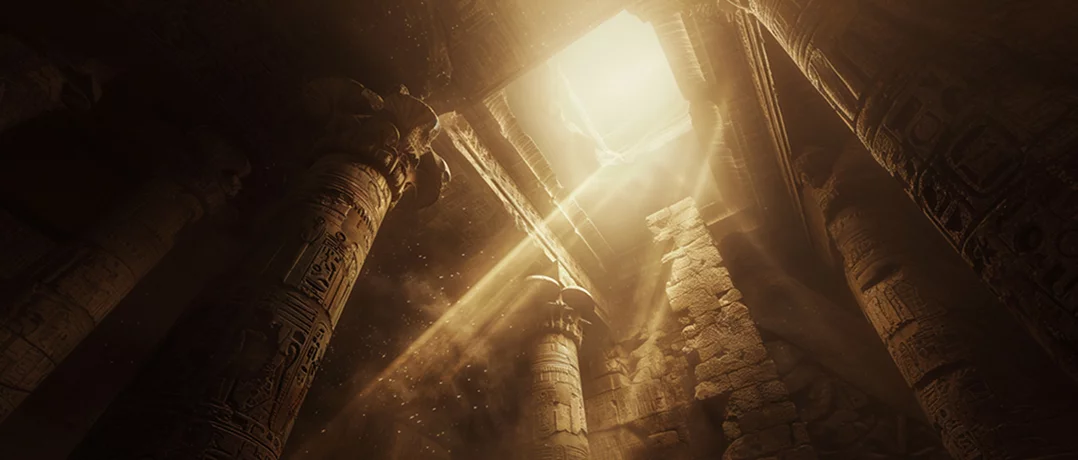
Minister of Culture Dr. Ghassan Salameh has announced the inclusion of 39 new Lebanese cultural sites under the enhanced protection system of the Hague Convention for the Protection of Cultural Property in the Event of Armed Conflict. The addition brings the total number of Lebanese sites under this elevated legal shield to 73, a milestone that represents both a diplomatic achievement and a moral statement about what Lebanon chooses to defend.
What the Hague Convention means
Adopted in 1954 in the aftermath of the Second World War, a conflict that saw the deliberate destruction of irreplaceable cultural sites across Europe, the Hague Convention was the international community's first comprehensive response to heritage's vulnerability in armed conflict. Its enhanced protection mechanism, the highest level of safeguard the Convention offers, carries an absolute prohibition: listed sites may not be targeted, even in active conflict.
For Lebanon that has experienced repeated cycles of armed conflict across its modern history, this legal framework is anything but theoretical. Enhanced protection status does not make a site physically invulnerable, but it establishes clear international accountability. Violations can be prosecuted. Perpetrators can be held responsible before international tribunals. The listing transforms cultural sites from soft targets into protected entities under international humanitarian law, with all the legal deterrence that entails.
In the minister's words
The Ministry of Culture's statement, issued alongside the announcement, articulated the stakes with unusual directness. On the significance of the moment, the Ministry said:
"In light of the circumstances Lebanon is going through, this decision holds particular importance, as it represents international recognition of the exceptional value of our heritage and a renewed commitment to its protection and preservation. Once cultural properties are inscribed on the enhanced protection list, they are absolutely prohibited from being targeted, even in situations of armed conflict. This also strengthens legal deterrence, allowing the Lebanese state to prosecute violators."
On what heritage protection means for a society under pressure, the statement went further:
In a country experiencing war and large-scale displacement, protecting heritage also means preserving what unites us, what connects us, and what endures.
And on Lebanon's path forward, the Ministry concluded with a clear commitment: "Lebanon will continue its efforts, in line with its international commitments, to protect its heritage in all its dimensions."
Heritage as common ground
The Ministry's framing positions cultural heritage not as the concern of specialists or the luxury of peacetime, but as a form of social infrastructure, the shared foundation beneath a fractured society. Lebanon's cultural sites are not the possession of any single community, sect, or political faction. Baalbek belongs to all Lebanese. In a country where shared national narrative can feel elusive, heritage offers ground that everyone can stand on together.
The Ministry acknowledged the teams behind this effort: Lebanon's Permanent Delegation to UNESCO, heritage advisors and experts, the Directorate General of Antiquities, and UNESCO's team in Lebanon, whose continuous engagement was described as playing a key role in reaching this milestone.
A claim on the world's conscience
What Lebanon has done, in expanding its roster of protected sites to 73, is to make a formal claim on international attention. It has said, in the language of international law, that these places matter, that they are not acceptable collateral damage, not expendable assets. They are irreplaceable. They are protected. And the world has agreed to witness that commitment.
For a country that has spent much of its modern history rebuilding what conflict has taken from it, that agreement is worth every effort it took to secure.
-
-

-
The Beiruter
-
