



Pope Leo XIV reflects on Lebanon’s resilience, celebrating coexistence, faith, and hope after his historic visit.
Lebanon leaves a mark on the Vatican

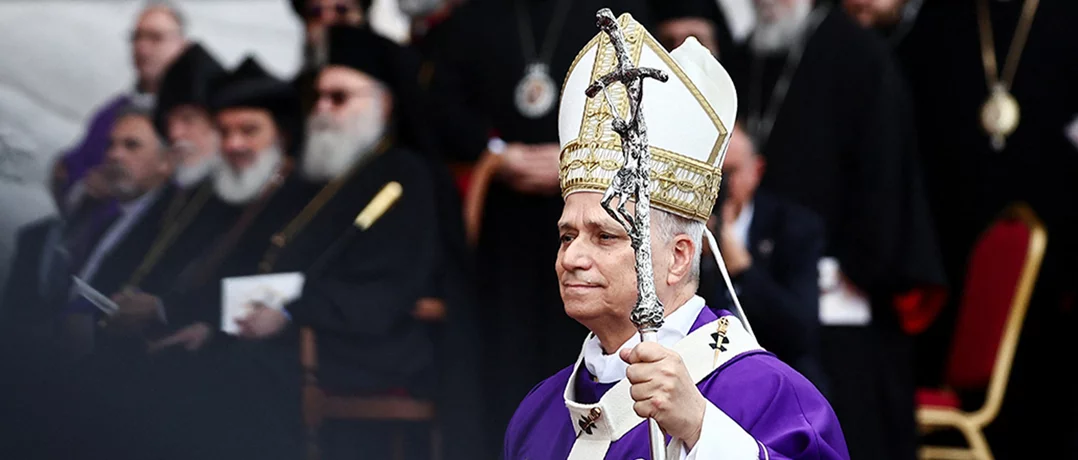
One week after completing his historic visit to Lebanon, Pope Leo XIV used his Sunday Angelus prayer at St. Peter’s Square to reflect on the journey, offering an emotional tribute to the Lebanese people and the country’s enduring message of coexistence.
The Pope’s visit, marked by massive crowds, interfaith meetings, and encounters with communities still scarred by crisis, has become a defining moment in the Vatican’s relationship with Lebanon. Returning to Rome, the Holy Father described how deeply the trip had affected him, saying he left the country “comforted” by the testimonies he heard and the resilience he witnessed.
“Lebanon continues to be a mosaic of coexistence,” Pope Leo XIV told the thousands gathered at the Vatican. “I was comforted to hear many testimonies in this regard.” He recalled meeting people who “announce the Gospel by welcoming refugees, visiting the imprisoned, and sharing food with those in need,” moments that, he said, revealed the country’s quiet strength.
One of the most emotional stops of the visit, the meeting with families of the victims of the Beirut port explosion, remained fresh in his memory. “The Lebanese people were waiting for a word and a presence of consolation,” the Holy Father said, “but it was they who comforted me with their faith and their enthusiasm.”
The Pope also reflected on broader events unfolding in the region, including recent developments in Türkiye and Lebanon, noting that both countries offered lessons in the possibility of reconciliation and coexistence. “Dear brothers and sisters, all that has happened in these recent days in Türkiye and Lebanon teaches us that peace is possible,” he said. “Christians in dialogue with men and women of other faiths and cultures can contribute to building it up.”
He ended his address with a firm reminder:
Let us not forget that peace is possible!
With this message, Pope Leo XIV positioned Lebanon not only as a nation in crisis, but as a living example of coexistence, a country whose faith, diversity, and perseverance continue to inspire, even amid hardship.
-
-

-
The Beiruter
-
