



Lebanon's hotel sector is facing declining occupancy, cancelled reservations and rising operating costs, with hotel operators warning that continued instability could force some establishments to close.
Lebanon's hotels struggle as insecurity and rising costs hit tourism
Lebanon's hotels struggle as insecurity and rising costs hit tourism
By The Beiruter | October 23, 2026

Reading time : 4 min
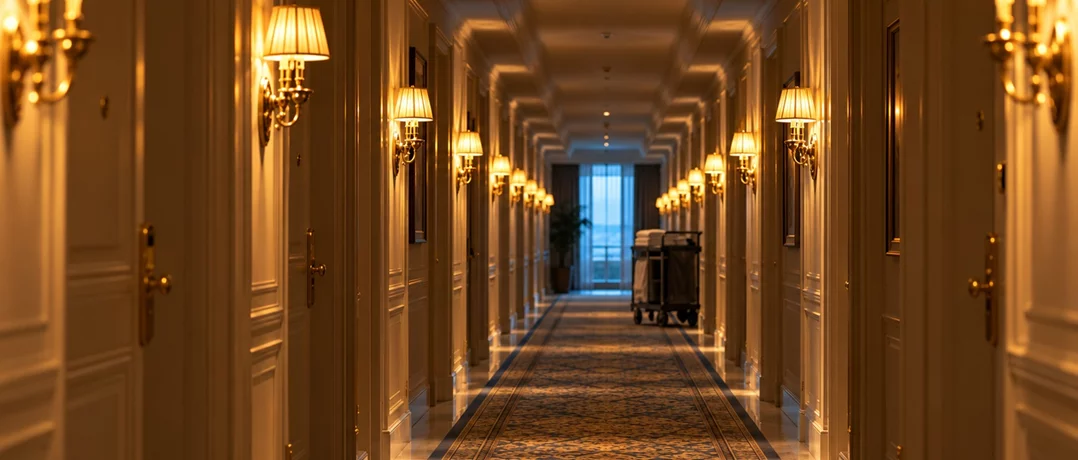
Source: MTV Lebanon - Mirella Bou Khalil
Lebanon's hotel sector is facing growing challenges as security concerns, declining tourist arrivals and rising operating costs continue to affect businesses across the country.
Hotels, which depend heavily on visitors and Lebanese expatriates during the summer season, have seen a significant decline in activity. With fewer bookings and higher expenses, hotel operators are struggling to maintain their operations, while some are warning of possible temporary closures if conditions do not improve.
Hotel revenues and occupancy decline
Hotel occupancy and revenues have fallen significantly compared with previous years.
Pierre Achkar, President of Lebanese Hotel Association, explained that occupancy rates and revenues were between 40% and 50% lower than in previous years, reflecting the impact of the security situation on tourism.
The decline was also linked to fewer Lebanese expatriates returning for the summer season. Around 35% of Lebanese expatriates who had been expected to visit towards the end of the summer did not come.
This reduction in visitors has directly affected hotel revenues, particularly during a period when many establishments rely on seasonal bookings to cover their expenses.
At the same time, operating costs have continued to rise.
Hotel operators pointed to higher diesel, electricity and water costs, as well as increased taxes, which have placed additional financial pressure on businesses already experiencing lower revenues.
Security concerns lead to cancelled bookings
The security situation remains one of the main challenges facing Lebanon's tourism industry.
The shelling of Beirut and the use of some areas to accommodate displaced families have further affected visitors' confidence and travel plans. Around 50% of hotel reservations made by visitors from the United States, Australia and Canada were cancelled following these developments.
Several festivals and events that would normally attract thousands of visitors were also cancelled. These included activities attended by tourists from Jordan, Egypt, Iraq and Gulf countries.
The cancellations have affected not only hotel occupancy but also the wider tourism sector, which depends on visitors attending cultural events, festivals and other activities.
For hotels, the loss of these reservations means fewer guests and reduced income at a time when maintaining daily operations has become increasingly expensive.
Hotels warn of possible closures
With revenues declining and expenses increasing, some hotel operators are considering reducing their activities or temporarily closing their establishments.
Achkar warned that if the situation continues, investors, including foreign owners of major establishments, may decide to suspend operations.
A major hotel in Beirut already dismissed 500 employees, highlighting the potential consequences of the crisis for workers in the hospitality industry.
Other hotel owners have reportedly warned that they may close their establishments if operating conditions do not improve.
Such decisions could have consequences beyond the hotels themselves, affecting employees and businesses that depend on tourism activity.
Hotel operators call for government support
As the sector faces continued uncertainty, hotel operators are calling for measures to help businesses remain operational.
Their main demand is improved security and stability, which they consider essential for restoring visitors' confidence and encouraging tourists to return.
They are also seeking government assistance, including possible exemptions from certain taxes and financial obligations, similar to measures introduced for some businesses and individuals affected by the war.
According to the sector, such support could help hotels manage their expenses and avoid closures during this difficult period.
Lebanon's hotels remain an important part of the country's tourism industry, but their ability to recover will depend on improved security conditions, the return of visitors and measures that allow establishments to continue operating.
For now, hotel operators are trying to maintain their businesses while waiting for the stability needed to bring tourists back.
-
-

-
The Beiruter
-
