

Father Bechara Abou Mrad has been approved for beatification after a Vatican decree recognizing a miracle attributed to his intercession, marking a significant spiritual milestone for Lebanon and the Melkite Greek Catholic Church.
Lebanon’s Father Bechara Abou Mrad to be beatified
Lebanon’s Father Bechara Abou Mrad to be beatified
By The Beiruter | February 23, 2026

Reading time: 3 min
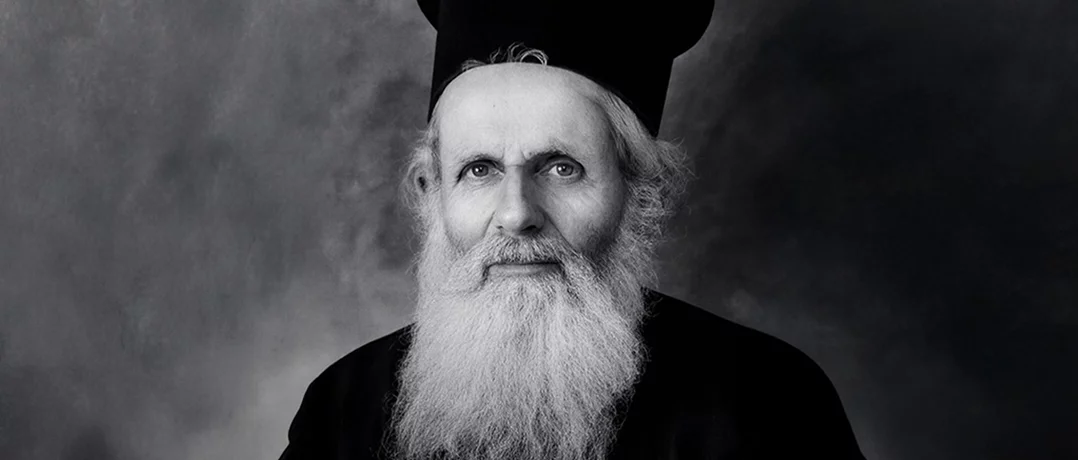
The Vatican News Agency has officially announced the beatification of Lebanese priest Father Bechara Abou Mrad of the Basilian Salvatorian Order, following the recognition of a miracle attributed to his intercession, the healing of a woman whose medical condition had been considered difficult to cure.
Pope Leo XIV authorized the Congregation for the Causes of Saints to promulgate the decree during a meeting with Cardinal Marcello Semeraro, Prefect of the Dicastery for the Causes of Saints. The decision marks a historic spiritual milestone for Lebanon’s Catholic community and for the Melkite Greek Catholic Church worldwide.
In a public statement, the Basilian Salvatorian Order described the announcement as formal recognition of Father Abou Mrad’s “virtuous life and spiritual legacy,” paving the way for his elevation to the ranks of the Blessed.
A life of service
Born Selim Jabbour Abou-Mourad on May 19, 1853, in Zahleh, in Lebanon’s Beqaa Valley, Father Bechara grew up in a region known for its strong Christian presence and ecclesiastical tradition. His mother, Elisabeth Al-Kach, raised him in a devout household, a foundation that would shape the rest of his life.
At the age of 21, he entered the Monastery of the Holy Savior in 1874 and joined the Basilian Salvatorian Order. During his novitiate, he took the name “Béchara,” meaning “Good News”, a symbolic choice that would define his vocation. He professed his religious vows in 1876, was ordained a deacon in 1882, and became a priest on December 26, 1883, at the Church of the Holy Savior Monastery.
His early years were marked by formation and discipline. He served as Director of Discipline, confessor, and spiritual director at the Salvatorian seminary, roles that required both intellectual rigor and pastoral sensitivity.
A missionary among the people
Between 1891 and 1922, Father Bechara served as an itinerant missionary in Deir al-Qamar and the wider Mount Lebanon region, a period marked by political transformation, Ottoman decline, and social change. For over three decades, he traveled to remote villages, offering pastoral care, hearing confessions, guiding the faithful, and strengthening local Christian communities.
Later, from 1922 until 1927, he served as parish priest and confessor at the Cathedral of Sidon in South Lebanon, continuing his ministry until his health began to decline. He died on February 22, 1930, at the Holy Savior Monastery near Sidon, at the age of 76.
The road to beatification
Father Bechara Abou Mrad had previously been declared Venerable by Pope Benedict XVI, recognizing his life of heroic virtue, a crucial step in the Catholic Church’s canonization process.
The recent Vatican decree acknowledges a miracle attributed to his intercession: the medically difficult healing of a woman whose recovery was deemed extraordinary. Such recognition is required for beatification in the Catholic Church, which views miracles as signs of divine confirmation of a candidate’s sanctity.
With this decree, Father Bechara will now be officially beatified in 2026, entering the ranks of the Blessed. a title granted to those venerated locally or within specific religious communities. Canonization, the final step toward sainthood, would require the recognition of an additional miracle.
A symbol for Lebanon
Father Bechara Abou Mrad becomes one of the latest Lebanese religious figures to be elevated by the Vatican, reinforcing Lebanon’s historic role as a spiritual crossroads in the Middle East. The Basilian Salvatorian Order described the beatification as recognition not only of a man’s devotion but of “his commitment to the Church’s mission.” For many Lebanese faithful, it also serves as a reminder of the country’s deep ecclesiastical roots and enduring spiritual presence. And nearly a century after Father Bechara’s death, his dedication has now been formally recognized.
-
-

-
The Beiruter
-
