

Illegal online medicine sales in Lebanon endanger public health, bypass pharmacy laws, and expose citizens to serious risks.
Lebanon’s illegal online drug market

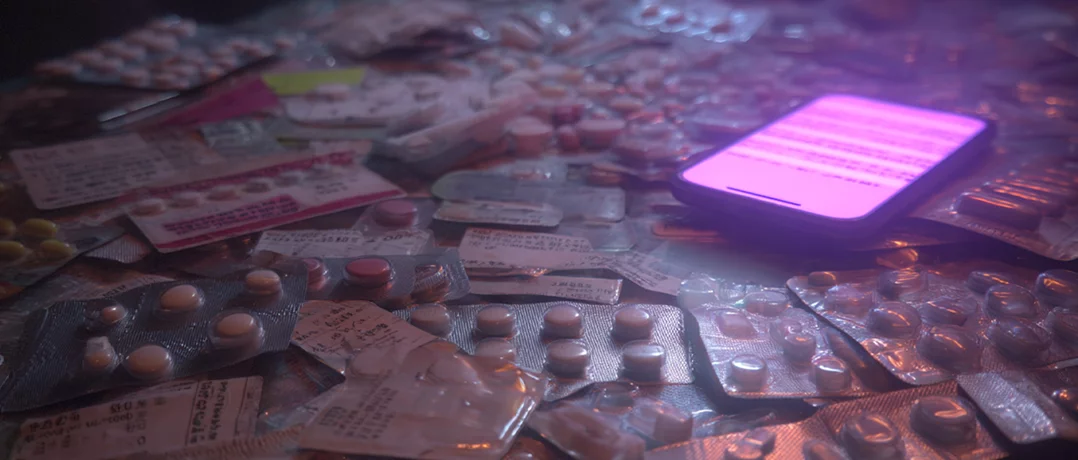
The growing trend of purchasing medicines through social-media pages in Lebanon may appear to be a convenient solution, but in reality, it represents a dangerous, illegal, and uncontrolled practice. From TikTok to Instagram, individuals with no medical qualifications are openly advertising prescription drugs, bypassing the legal safeguards established to protect public health.
Clear laws and open violations
Pharmacy Law No. 367 clearly states that all medicines sold in Lebanon must be registered with the Ministry of Public Health, and that the sale of prescription-only drugs must be supervised by a licensed pharmacist operating within a licensed pharmacy. Selling unregistered, smuggled, expired, or prescription-only medications without proper authorization is a criminal offense.
Yet dozens of social-media accounts openly violate these rules, promoting medicines with claims such as “no prescription needed” or “direct from abroad.”
These pages are run by influencers, commercial opportunists, or individuals importing products without regulatory approval. None of them provide pharmacy licenses or the name of a supervising pharmacist. None comply with legal requirements for storage, handling, or temperature control. These violations place lives at risk.
Global Responses Show Another Path
Other countries are confronting this challenge more decisively. China, for example, now requires medical credential verification for anyone posting health-related content online, while placing responsibility on platforms to remove illegal pharmaceutical promotions. This reflects a fundamental fact:
Digital health cannot remain unregulated without consequences.
Lebanon’s heightened vulnerability
Medication shortages reduced purchasing power, and an already strained healthcare system have pushed many Lebanese to look for fast and inexpensive alternatives. Illegal sellers exploit this need. But the risks are severe, as medicines may be expired, counterfeit, improperly formulated, incorrectly dosed, or stored in unsafe conditions.
A patient seeking treatment may unknowingly worsen their condition. A blood-pressure patient could suffer a stroke. A child given unsafe antibiotic could face life-threatening complications. These purchases occur with no medical oversight, no records, and no accountability if harm occurs.
Accountability must be enforced
Lebanese law already imposes fines, imprisonment, and product confiscation for the illegal sale or import of medicines. Buyers may also unknowingly contribute to the circulation of smuggled goods. Meanwhile, social-media companies risk becoming facilitators of criminal activity when their algorithms amplify such accounts to vulnerable individuals.
The question is no longer whether the practice is dangerous. The question is how long authorities will allow it to expand.
Immediate action required
A coordinated national response must focus on three priorities:
1. Regulation: Enforcing existing laws and shutting down illegal sellers
2. Platform responsibility: Verifying pharmacy credentials and permanently removing violators
3. Public awareness: Encouraging citizens to prioritize health and avoid informal medicine providers
Medicines are not consumer goods. A treatment that is unregulated can cause far more harm than good.
Lebanon’s health system is already under intense pressure. Allowing an unregulated digital pharmaceutical market to grow unchecked will deepen the crisis, undermine public trust, and increase preventable health emergencies.
Social media must not serve as a marketplace for high-risk, medically supervised substances. Public safety demands decisive and urgent action.
