

Lebanese cuisine was named the Arab world’s top culinary tradition for 2025–2026, celebrated globally for its heritage, regional richness, and worldwide influence shaped by history and migration.
Lebanon’s kitchen crowned number one

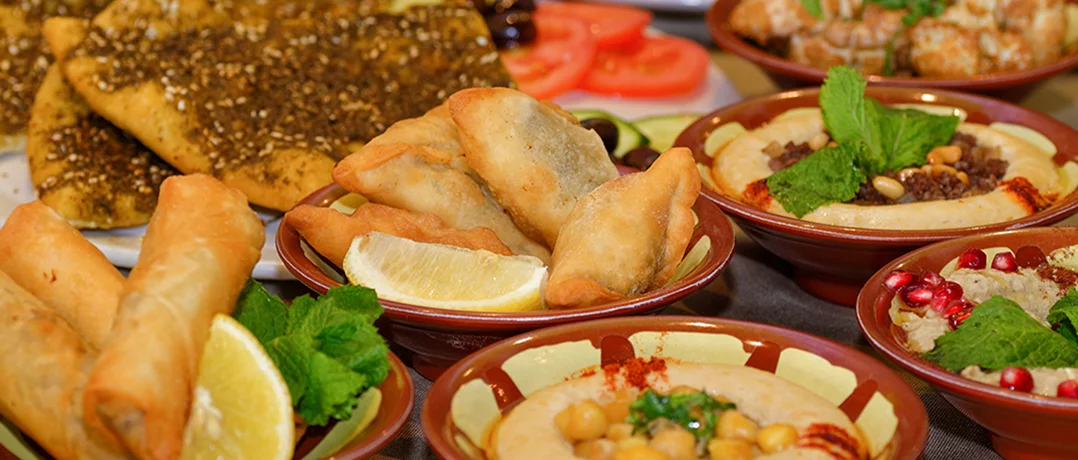
Lebanese cuisine has officially been named the top culinary tradition in the Arab world in TasteAtlas’ 2025–2026 global ranking, securing the 20th spot worldwide and cementing what many already knew: Lebanon’s food is one of its strongest cultural legacies. The ranking reflects both popularity and deep heritage, a history woven into migration, trade routes, agriculture, and centuries-old hospitality that made Lebanese cuisine what it is: a living archive of a nation’s identity.
Culture, memory, and pride
In the Middle East, cuisine is often a marker of identity and honor and Lebanon embodies this more intensely than most. Here, food is not simply prepared; it is performed, shared, narrated, and passed down. Every region, from Tripoli’s sweet streets to Zahle’s riverbank tables, from Saida’s seafood traditions to Mount Lebanon’s village harvests, carries its own culinary dialect.
Lebanese cuisine grew from the rhythms of its land: olives, citrus, thyme-rich mountains, coastal abundance, and a long tradition of preserving, fermenting, and gathering. The Lebanese mezze table: bright and fresh is not just a meal but a social blueprint. It mirrors the essence of the country itself: small plates, big conversations, generosity as a form of identity.
A global rise decades in the making
While international chefs such as Anthony Bourdain and Nigella Lawson helped spotlight Middle Eastern food broadly, Lebanese cuisine has long been at the forefront of the region’s global influence.
The Lebanese diaspora, stretching from West Africa to Australia, from South America to Canada, played a major role in exporting famous dishes like hummus, falafel, tabbouleh, kibbeh, manakish, shawarma, and fatteh to Western tables. In cities like Paris, London, Montreal, São Paulo, Sydney, and New York, Lebanese restaurants shaped the modern image of Arab cuisine long before food criticism caught up.
A culinary heritage rooted in history
Lebanese cuisine did not rise overnight. Its foundations stretch across thousands of years, Phoenician trade routes, Arab-Islamic influence, Ottoman kitchen legacies, French technique, and local terroir all shaped the food we know today.
Lebanon adopted, adapted, and elevated these influences into its own distinct culinary personality. Even the country’s political and economic history reveals itself in its dishes: grain storage after hard seasons, war-time innovations, village-specific flavors that survived displacement.
Trade routes, migration, and the evolution of taste
Ancient trade routes brought ingredients to the Lebanese kitchen: cinnamon, sumac, citrus, pine nuts and the Mediterranean carried others in return. This interplay of trade and migration made Lebanese cuisine incredibly adaptable without losing its core identity.
In Ottoman times, Lebanese cooks borrowed techniques while refining their own. The country’s mountains preserved rural traditions; coastal cities developed sophisticated fish and spice combinations. These layers are still tasted today.
Why TasteAtlas recognized Lebanon
Lebanon’s first-place regional ranking is a rare moment of global recognition for a country that has endured crisis after crisis. Amid economic collapse, political instability, and widespread emigration, Lebanese cuisine remains one of the nation’s most stable and admired exports.
TasteAtlas highlighted Lebanon’s balance of freshness, complexity, and diversity. But those who know the cuisine understand it’s more personal than that. Lebanese food is survival, memory, migration, and identity, a centuries-long story written in olive oil, lemon, mint, and flame. Lebanon may be small on the map, but in the world of food, it has always been colossal. And now, the world is truly acknowledging it.
-
-

-
The Beiruter
-
