How war and destruction are pushing southern Lebanon’s olive oil sector into crisis, threatening both livelihoods and heritage.




How war and destruction are pushing southern Lebanon’s olive oil sector into crisis, threatening both livelihoods and heritage.

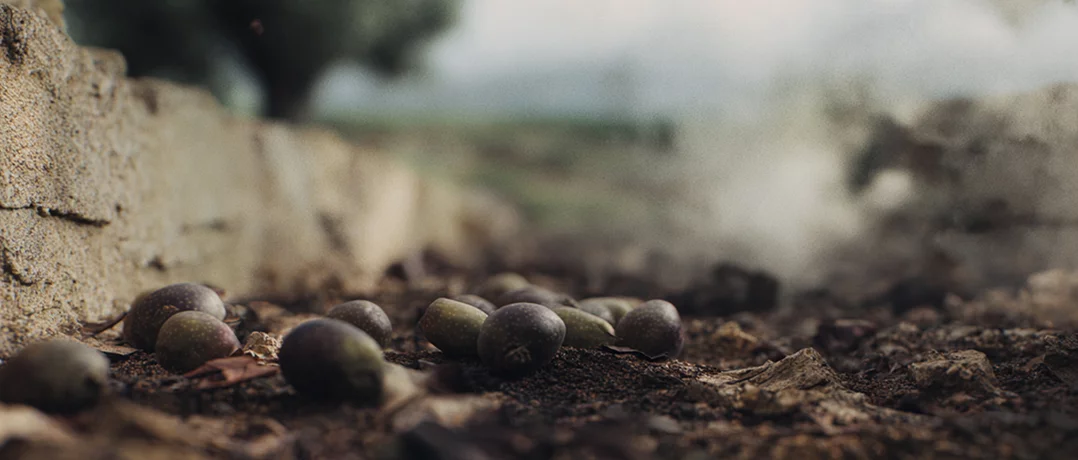
Bombardment, fires and abandoned harvests are upending southern Lebanon’s olive groves, sending output lower, prices higher and farmers into deep uncertainty.
In Lebanon, the olive tree is more than a crop. It is heritage, identity and a cornerstone of the rural economy. In the south, however, this centuries-old cultivation is now caught in a conflict that extends far beyond the fields. Since October 2023, cross-border hostilities between Hezbollah and Israel have turned olive-growing areas into high-risk zones, preventing harvests, destroying trees and disrupting the production chain. The result is scarcer, more expensive olive oil and a farming sector under acute strain.
In southern Lebanon and Nabatiyeh, where a significant share of national production is concentrated, the damage has been severe. Bombardments have triggered fires that have ravaged large swathes of agricultural land, including olive groves that form the backbone of the local economy.
According to preliminary assessments by Lebanon’s Ministry of Agriculture, supported by local agricultural organizations and international agencies such as the Food and Agriculture Organization, tens of thousands and potentially several hundred thousand olive trees have been damaged or destroyed since the escalation began, although a comprehensive nationwide tally remains unavailable due to restricted access to affected areas.
One farmer from the south describes the impact: “Olives are usually harvested in October and November. But in 2025, I managed to collect only 25 per cent of my crop because of the war. Many trees were burned or damaged.”
The sharp fall in harvesting has translated into extremely low olive oil output. Some farms, particularly those close to the border, have been entirely abandoned on safety grounds.
Before the war, Lebanon produced between 25,000 and 30,000 tons of olive oil annually, with part of that output exported. In 2023, exports were worth about $20m, underlining the sector’s economic importance.
By 2025, the picture had changed sharply. Falling production, combined with damage to agricultural land, has pushed prices higher. According to the same farmer:
The price of olive oil has risen to about $200 for an 18-litre tin.
For many Lebanese households, a staple of daily consumption is becoming increasingly difficult to afford, compounding the country’s broader economic crisis.
A national sector under strain
Olive oil production in Lebanon is unevenly distributed: north Lebanon accounts for 41 per cent, the south and Nabatiyeh 36 per cent, the Bekaa 13 per cent, and Mount Lebanon 10 per cent.
This means that more than a third of national production lies in areas directly exposed to the conflict, while wider disruption including labor shortages, displacement and access constraints may affect a much larger share of the sector.
Regions further from the front lines continue to produce, but their output cannot fully offset the losses in the south, historically one of Lebanon’s olive-growing heartlands.
Beyond the figures, thousands of households are seeing their incomes collapse. The farmer interviewed captures a widely shared reality:
It is impossible at this stage to quantify the losses precisely, but they are enormous, especially on land close to the border.
With trees destroyed often taking years to recover and harvests lost, the consequences are likely to be long-lasting. Olive trees, while resilient, require years to return to full productivity once damaged or burned.
For many producers, the outlook remains uncertain, particularly as insecurity continues to limit access to farmland.
War does more than damage infrastructure; it destabilizes entire economic ecosystems. In southern Lebanon, olive oil is not merely an agricultural product. It is a source of income, an export earner and a key component of food security.
Today, rising prices, lower output and agricultural losses point to a prolonged crisis. International organizations, including the World Bank, have warned that continued instability could further weaken Lebanon’s already fragile agricultural sector.
Should the conflict persist, an entire industry and part of the country’s rural heritage risk gradual erosion.
Between scorched fields and lost harvests, southern Lebanon’s olive groves reveal a quieter dimension of war: one that strikes the land and those who depend on it. Behind every liter of olive oil that has become scarcer lies a farmer struggling to preserve not only a crop, but a legacy.
