



Rising mental health reports in Lebanon expose systemic neglect, chronic trauma, and a society forced to endure alone.
Lebanon’s silent mental health emergency

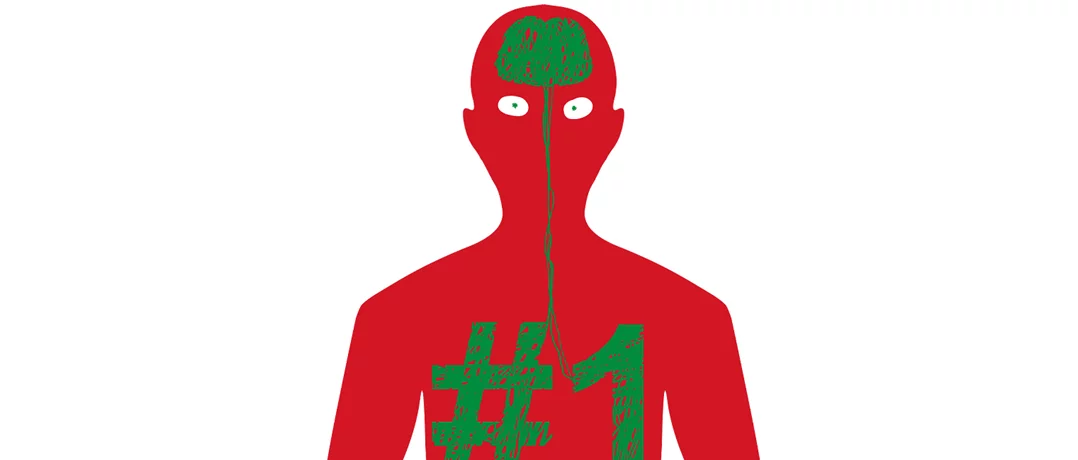
Lebanon has ranked among the top two Arab countries globally for reported mental illness rates in 2025, alongside Tunisia. On paper, the statistic is alarming. But behind it lies a more complex and uncomfortable question: does this ranking signal a mental health epidemic or a system that has failed to protect its people for years?
Mental illness data rarely tells a simple story. High reported rates do not necessarily mean a population is less resilient. Often, they reveal prolonged exposure to instability, economic collapse, unresolved trauma, and chronic uncertainty, all conditions Lebanon has lived under for decades, and acutely since 2019.
A nation living in survival mode
Psychologically, Lebanon has been stuck in prolonged survival mode. Financial collapse, political paralysis, the Beirut port explosion, displacement, emigration, and recurring security fears have forced individuals to adapt not temporarily, but permanently. When stress becomes chronic rather than episodic, the nervous system no longer resets. Anxiety disorders, depression, burnout, and emotional numbing become normalized responses.
Overloaded lives
Lebanon’s mental health care system remains severely underfunded. Public psychiatric services are limited, fragmented, and often inaccessible outside major cities. Therapy is expensive, largely privatized, and still viewed as a luxury rather than a necessity. Psychotropic medications fluctuate in availability, mirroring the broader collapse of the healthcare sector.
This leaves many Lebanese managing psychological distress alone without diagnosis, continuity of care, or long-term support. For some, that means untreated conditions worsen. For others, it means coping mechanisms slide into self-medication, withdrawal, or silent endurance.
Is stigma still winning?
Despite growing awareness on social media and in younger generations, stigma remains deeply embedded. Mental illness is still framed as weakness, moral failure, or something to be hidden particularly among men and older generations. Seeking help is often delayed until symptoms become unbearable.
Ironically, Lebanon’s high ranking may partly reflect increased reporting rather than increased illness. More people are naming their pain, recognizing symptoms, and answering surveys honestly. In a country where silence once dominated, visibility itself becomes a double-edged statistic.
Coping alone in a fragmented society
Perhaps the most dangerous factor is isolation. As families shrink through emigration and communities' fracture under economic strain, informal support systems weaken. Collective coping, once a cornerstone of Lebanese social life, is eroding. What remains is individual endurance in a society that rewards functioning, not healing. The question, then, is not why mental illness rates are high, but why intervention remains so low.
Lebanon’s position near the top of global mental illness rankings should not be read as an indictment of its people, but of the conditions imposed on them. It reflects a society absorbing shock after shock without recovery time, without institutional support, and without a national mental health strategy capable of meeting reality.
Mental illness, in this sense, becomes a public health mirror. And what it reflects is not weakness but abandonment. Until mental health is treated as infrastructure, Lebanon’s numbers will remain high not because its people are fragile, but because they have been forced to survive without a net.
-
-

-
The Beiruter
-
