

Lebanon partners with Oracle to train 50,000 citizens, boosting AI, cloud, and digital government skills.
Oracle to build Lebanon’s digital capacities
Oracle to build Lebanon’s digital capacities
By The Beiruter | December 10, 2025

Reading time: 3 min
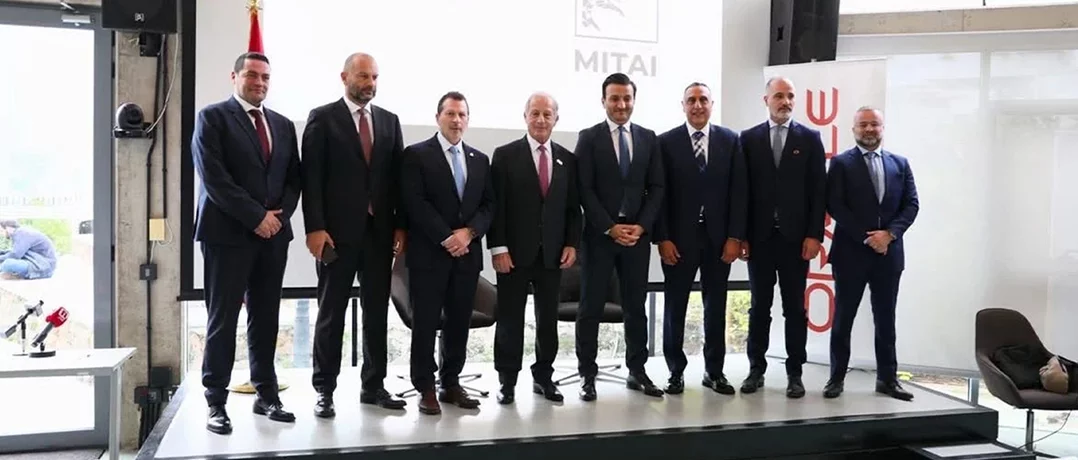
On 8 December 2025, Lebanon has taken a significant step toward modernizing its digital landscape with the signing of a landmark Memorandum of Understanding (MoU) between the Ministry of State for Technology and Artificial Intelligence and global technology leader Oracle.
The agreement, formalized in the presence of US Ambassador Michel Issa, marks the first strategic partnership between the Lebanese state and a major American tech company in nearly 20 years, an important signal of renewed international confidence in Lebanon’s digital future.
A national vision for digital capacity building
The MoU, signed by Minister Kamal Shehadi and Oracle’s Vice President for Public Sector Applications, Simon Al Khaled, sets an ambitious goal: training 50,000 Lebanese participants over the next 5 years at no cost. The program will focus on cloud computing, artificial intelligence (AI), and machine learning (ML); fields seen as essential for positioning Lebanon within the accelerating global shift toward AI-driven economies.
Minister Shehadi emphasized that building a digital state requires more than technical infrastructure; it requires empowering citizens with advanced skills. He stated that “a digital government is not built on servers alone, but on the capabilities of its people.” By equipping students, employees, and young professionals with internationally recognized training paths, the initiative seeks to create a workforce capable of supporting both national digital transformation and emerging private-sector opportunities.
A collaboration rooted in education and innovation
To ensure broad and equitable access, the program will be implemented in partnership with leading academic institutions, including the Lebanese University (LU), the American University of Beirut (AUB), Lebanese American University (LAU), and Saint Joseph University (USJ). Each university will coordinate with the ministry to select candidates and facilitate Oracle’s delivery of courses and certifications, aligning the training tracks with global industry standards.
In parallel, the ministry aims to integrate this national skills-building effort into broader public-sector modernization. The trained talent pool will play a key role in supporting the rollout of Government Resource Planning (GRP) systems and helping the ministry meet its goal of having 80% of government services cloud-based within 5 years. This includes reinforcing digital infrastructure, updating relevant legislation, and ensuring that Lebanon is prepared for the regulatory and ethical dimensions of artificial intelligence.
Addressing concerns and reinforcing trust
Following the MoU announcement, some political actors raised questions about data sovereignty. Minister Shehadi responded firmly, clarifying that the agreement includes no data sharing and grants Oracle no access to public-sector information. His reassurance was backed by the ministry’s commitment to transparent governance and strong digital safeguards; an essential pillar as Lebanon seeks to rebuild public trust in its institutions.
Ambassador Issa, for his part, highlighted the deal as a sign of growing US confidence in Lebanon’s potential, especially in the technology and knowledge sectors. With the country facing economic challenges, the digital economy is seen as one of the most viable paths for creating new jobs and retaining young talent.
In conclusion, Lebanon’s collaboration with Oracle represents more than a training initiative. It reflects a strategic national effort to shift from being a consumer of technology to becoming a regional hub for digital innovation in a region vying for an influential and pioneering place in the tech world. By investing in human capital, strengthening partnerships, and modernizing public systems, the country is laying the groundwork for a more resilient, future-ready economy. The real test will be ensuring that this momentum continues, and that the skills being developed today translate into meaningful opportunities for tomorrow’s workforce.
-
-

-
The Beiruter
-
