

A Night With the Legends at London’s Royal Albert Hall celebrates the timeless voices of Arab music icons through performances by Abeer Nehme, a 70-member all-female choir, and a fusion of Arab and Western orchestras.
Royal Albert Hall celebrates the legends of Arab women’s music
Royal Albert Hall celebrates the legends of Arab women’s music
By The Beiruter | February 02, 2026

Reading time: 2 min
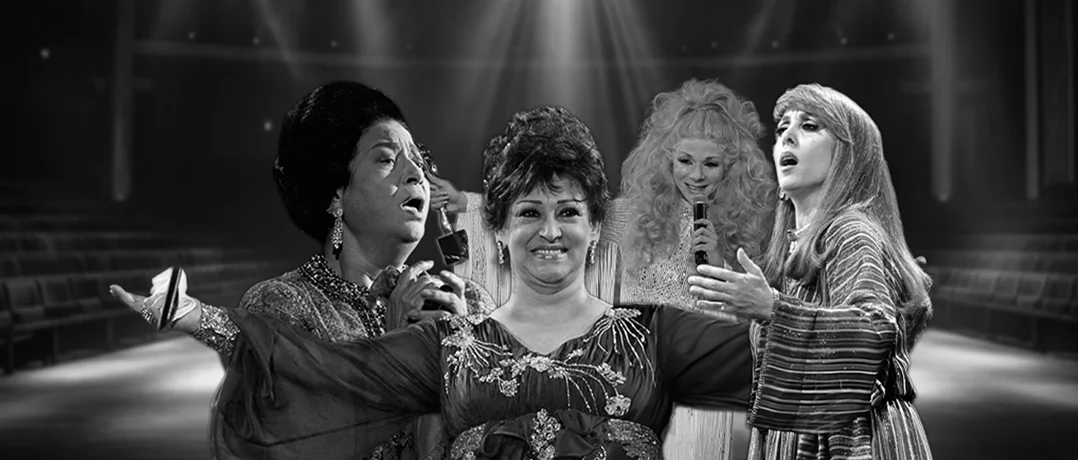
London’s Royal Albert Hall, one of the most iconic concert halls in the world will echo with voices that shaped the emotional, musical, and cultural memory of the Arab world. A Night With the Legends brings the songs of Umm Kulthum, Fairuz, Warda, Sabah, Asmahan, and other towering figures of classical Arab music to a stage long associated with Western musical canon.
The significance of this moment goes far beyond nostalgia. For decades, these women were cultural forces. Their voices narrated love and loss, exile and belonging, resistance and tenderness, often in times when women’s presence in the public sphere was itself an act of defiance. To hear their legacies honored at the Royal Albert Hall is to witness Arab cultural history being recognized not as peripheral, but as universal.
A bridge between tradition and contemporary interpretation
At the heart of the evening is acclaimed Lebanese singer Abeer Nehme, whose vocal mastery bridges tradition and interpretation. Rather than imitation, her performances aim to channel the spirit of these legends, honoring their emotional depth while allowing the music to breathe in a contemporary context. She is joined by the London Arab Orchestra, conducted by Basel Saleh, alongside the Royal Philharmonic Concert Orchestra, creating a rare musical dialogue between Arab and Western orchestral traditions.
One of the most powerful elements of the night is the presence of a 70-member all-female choir, a choice that feels both intentional and symbolic. In a genre historically dominated by women’s voices but often narrated by men, the choir reclaims space, visually and sonically, adding a collective feminine strength to songs once carried by singular icons.
Stories behind the songs
Actress and activist Jessica Kahawaty weaves storytelling throughout the performance, connecting each piece to its historical and cultural context. These narratives remind the audience that these songs did not exist in a vacuum, they were shaped by colonialism, independence movements, migration, and social transformation. They traveled across borders long before global stages opened their doors to Arab art.
Taking place just ahead of International Women’s Day, the concert reads as both tribute and statement. It asserts that Arab women’s contributions to music are part of the world’s shared cultural heritage. In a time when representation still feels conditional, seeing these voices honored on one of the world’s most prestigious stages carries a powerful message where Arab women’s voices, once carried through radios and living rooms, rise again under the dome of the Royal Albert Hall.
-
-

-
The Beiruter
-
