

New trucking restrictions by Syria are alarming Lebanon, with exporters and transport unions alongside Charles Arbid warning of higher costs, border delays, and risks to the country’s fragile export sector.
Syrian restrictions shake Lebanese transport and trade
Syrian restrictions shake Lebanese transport and trade
By The Beiruter | February 11, 2026

Reading time: 3 min
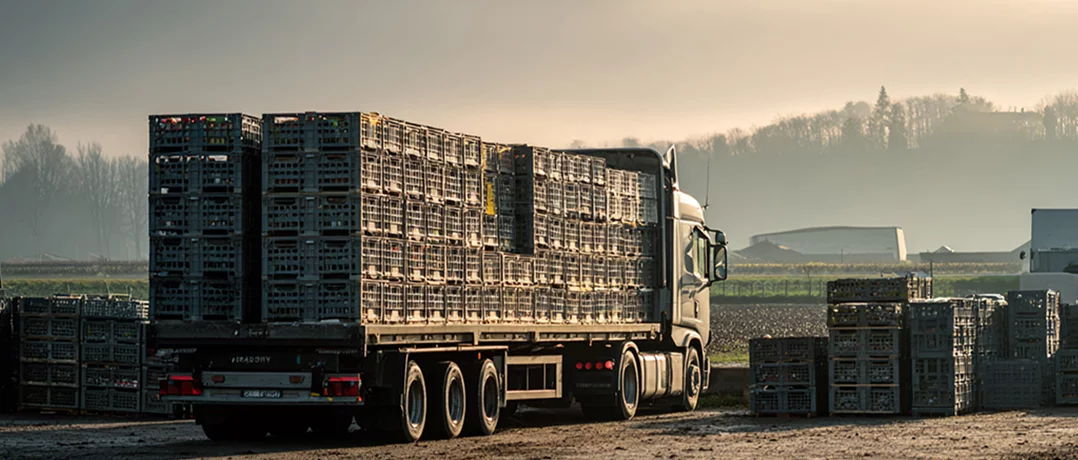
A recent decision by Syrian authorities to regulate the entry of foreign trucks into Syrian territory has triggered significant concern across Lebanon’s export, transportation, and agricultural sectors.
The measure, which requires Lebanese trucks to unload goods at border customs yards before transferring cargo to Syrian-registered vehicles, is raising fears of increased costs, logistical delays, and disruptions to trade flows.
Industry representatives, economic experts, and government officials warn that the decision could have far-reaching implications for both Lebanese exporters and the broader economic relationship between the 2 neighboring countries.
Details of the Syrian decision
The Syrian General Authority for Land and Sea Ports and Customs issued the new regulations aimed at reorganizing cargo movement through land crossings and maritime ports. The decision restricts non-Syrian trucks from entering Syrian territory to load or unload goods unless they comply with new procedural requirements.
Lebanese trucks must now discharge their cargo at designated customs zones, where the goods are transferred to Syrian trucks for delivery within Syria. Transit trucks crossing Syrian territory toward other countries are exempt but remain subject to customs supervision and escort procedures.
Syrian officials have framed the measure as part of a broader effort to regulate freight operations and strengthen oversight of cargo movement. However, Lebanese industry stakeholders view the decision as a unilateral measure that disrupts established transportation practices governed by bilateral land transport agreements.
Lebanese transport sector reaction
The decision prompted an emergency meeting at Lebanon’s Directorate General of Land and Maritime Transport, bringing together representatives from transport unions, exporters, shipping agents, freight brokers, and agricultural authorities. Participants unanimously warned that the policy threatens Lebanon’s land transport sector and the thousands of workers who depend on it.
Industry representatives emphasized that the regulation disproportionately affects shipments of perishable goods, including fresh produce and food products, which require rapid delivery to maintain quality. Transport unions noted that the new procedures would likely slow cargo movement, increase handling requirements, and introduce higher operating costs for Lebanese trucking companies and exporters.
Participants also expressed frustration that diplomatic engagement with Syrian authorities has not yet produced a resolution that preserves balanced transport arrangements between the two countries. Several industry leaders called on Lebanese officials to consider reciprocal measures until bilateral transport agreements are fully respected.
Economic and logistics impact on Lebanese exports
Syria remains a vital commercial gateway for Lebanon, particularly for exports destined for regional Arab markets. Charles Arbid, head of Lebanon’s Economic and Social Council, described Syria as an essential economic outlet for Lebanese agricultural and industrial products. He stressed that any disruption to cross-border transportation directly affects Lebanese producers already struggling with economic hardship.
Arbid highlighted that the new regulations place additional pressure on Lebanon’s export sector, particularly for fruits, vegetables, and processed food products that rely heavily on efficient logistics. He underscored the importance of maintaining smooth transit procedures as a cornerstone of sustainable trade between the two nations and called for transparent policies that safeguard mutual economic interests.
From a technical and economic perspective, experts warn that the requirement to transfer cargo between trucks at the border introduces substantial logistical complications. It could increase operational costs, prolong delivery times, and heighten the risk of product damage, especially for temperature-sensitive goods transported in refrigerated vehicles.
According to industry estimates, the additional handling procedures could raise transportation costs by hundreds of dollars per shipment, with refrigerated trucks facing particularly steep increases. Although precise financial loss estimates remain unavailable, experts caution that disruptions to supply chains could cost millions of dollars if the situation persists or expands.
Impact of Syrian and regional trade dynamics
Syria’s policy may reflect broader economic strategies aimed at revitalizing its transport sector and reducing reliance on foreign logistics providers. However, such protectionist measures could weaken regional trade competitiveness by increasing costs and discouraging exporters from neighboring countries.
Lebanese transport associations have warned that the decision could undermine Lebanon’s role as a key transit hub for regional trade. They also highlighted concerns about unequal treatment, noting that Syrian trucks continue to operate within Lebanon without similar restrictions.
In conclusion, the Syrian decision to regulate foreign trucking operations has introduced new uncertainty into Lebanon’s already strained export and transportation sectors. While Syrian authorities describe the move as a regulatory measure designed to support domestic transport and enhance oversight, Lebanese stakeholders fear significant economic and logistical consequences. The issue underscores the importance of diplomatic dialogue and coordinated trade policies between the 2 countries. Achieving a balanced solution will be essential to preserving cross-border commerce, protecting key economic sectors, and maintaining stable trade relations that have historically benefited both Lebanon and Syria.
-
-

-
The Beiruter
-
