



Israel’s retention of five strategic positions in southern Lebanon is straining the ceasefire.
The 5 posts that Israel occupies in Lebanon

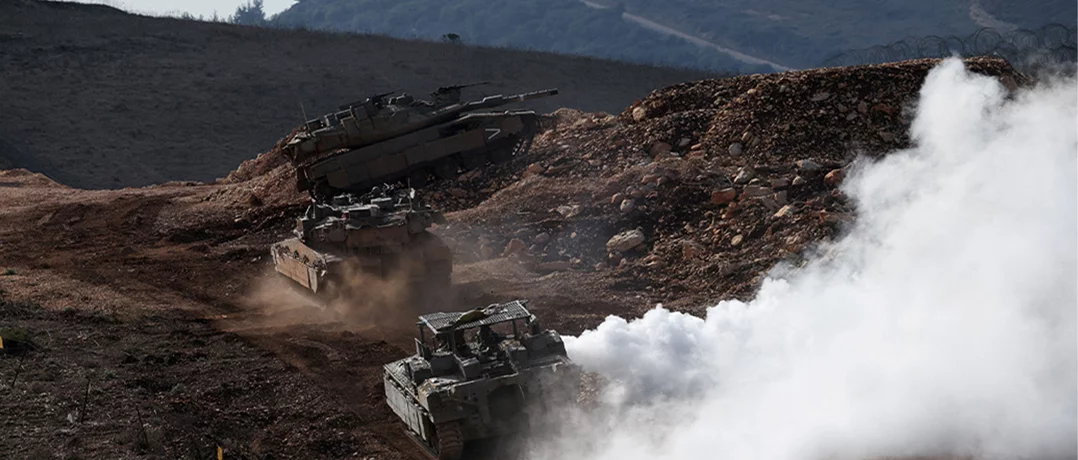
The ceasefire that came into force on 27 November 2024 was intended to mark a turning point along the Israeli Lebanese border after months of intense hostilities. Under its terms, Israel was expected to complete a full withdrawal from southern Lebanon within 60 days.
Yet as the 18 February 2025 deadline arrived, Israel announced that it would retain a military presence in 5 specific locations inside Lebanese territory. This decision reignited diplomatic tensions and raised questions about security, sovereignty, and the durability of the ceasefire itself.
From here, what are the 5 occupied posts and their significance?
The 5 strategic positions
Israeli forces had withdrawn from all remaining villages in southern Lebanon except for 5 elevated areas stretching from west to east. These include mountain ranges and hills overlooking Israeli communities such as Shlomi, Avivim, Margaliot, Metula, and Kiryat Shmona, as well as key corridors inside southern Lebanon.
- Jal al-Deir: Located south of Aitaroun, Bint Jbeil district, overlooking the Israeli towns of Avivim and Malkiya.
-Jabal Blat: Located near Ramieh in the Bint Jbeil district, overlooking the southern coast from Sour to Naqoura as well as the Israeli towns of Shtula and Zar’it.
- Labbouneh/Alma al-Shaab: Located in the Tyre district, overlooking the coastline and maritime area to the west, the UN peacekeeping force in Lebanon (UNIFIL) headquarters in Naqoura as well as the Israeli town of Shlomi.
- Markaba-Houla road: Located in the Marjayoun district, overlooking the Saluq valley and corridor Meiss El Jabal and Odaisieh as well as the Israeli towns of Margaliot, Kiryat Shmona and Menara.
- Hamamis Hill: Located close to Khiam in the Marjayoun district, overlooking the village of Khiam and much of the Hasbaya region up to Ibl al-Saqi as well as the Israeli towns of Metula and Yuval.
The positions’ significance and security calculations
Collectively, these positions form a defensive line that provides observation and control over terrain historically used for infiltration, anti-tank fire, and other cross-border attacks.
From an Israeli military perspective, holding these high points allows for early detection of hostile activity and rapid response to threats, particularly in the absence of what Israel considers effective enforcement by the Lebanese army and UNIFIL.
Israel assesses Hezbollah’s intentions as uncertain but views its capabilities as a clear and present danger. From this standpoint, the limited deployment in 5 areas is meant to prevent the group from rebuilding its military infrastructure and to reassure Israeli residents of the northern border communities, who were previously displaced during the last war.
At the same time, Israel’s presence has served as a pretext for Hezbollah to mobilize protests and reinforced its “resistance” narrative without triggering a full-scale war. The group has since linked the issue of surrendering its weapons following the Israeli army’s withdrawal, thus hindering the Lebanese state’s recovery as well as compromising the country and its residents’ safety and security.
Hence, Israel’s decision to remain in 5 strategic areas of southern Lebanon reflects a security-first approach shaped by past experience and deep mistrust of Hezbollah’s intentions, thus resorting to “negotiations under fire and occupation” mentality to achieve its goals (which includes safety, security and peace with Lebanon). While the latter insists on full sovereignty and diplomatic solutions, Israel argues that a complete withdrawal under current conditions would leave its northern border exposed and feels no need to compromise as it managed to fulfill notable victories in the previous armed conflict with Hezbollah.
The resulting standoff underscores the fragility of the ceasefire and highlights a central dilemma: without credible enforcement and disarmament on the Lebanese side, as well as Israeli withdrawal from occupied territories, efforts to stabilize the border risk remaining temporary and contested.
-
-

-
The Beiruter
-
