



In Lebanon, the "Economy of Anxiety" is driving demand for wellness services as citizens invest in emotional comfort amid ongoing economic and political instability.
The cost of feeling good in Lebanon

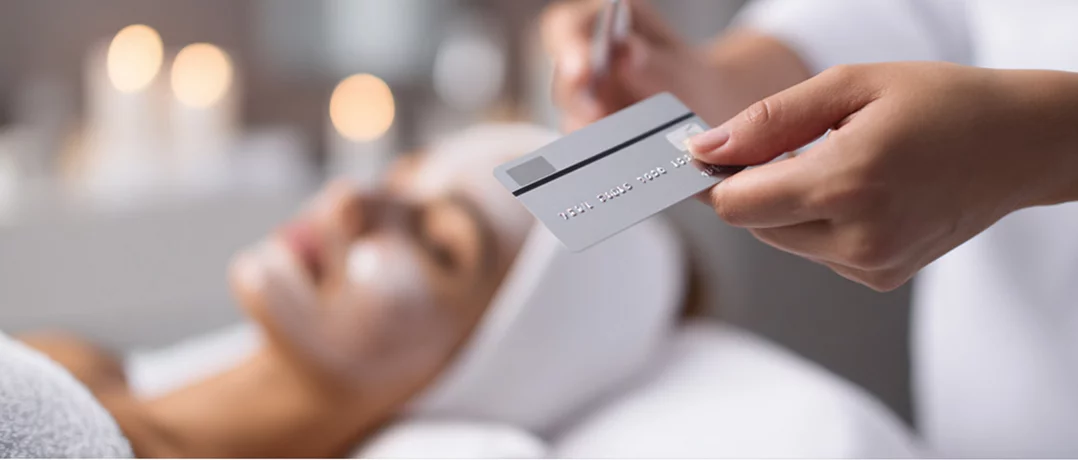
Anxiety has moved beyond being a passing emotion; it has become a powerful global economic force. With more than one billion people worldwide living with mental disorders according to the World Health Organization, industries promising mood enhancement and emotional balance are expanding at remarkable speed.
Mental wellness has shifted from a private struggle to a collective commercial industry. Lebanon mirrors this transformation. In a country weighed down by crisis and uncertainty, citizens are allocating part of their income to one goal: feeling good.
The wellness boom
A recent report by the Global Wellness Institute shows that the global wellness market has grown by approximately 35% since 2019, with an average annual growth rate of 6.2%, projected to accelerate to 7.6% annually through 2029.
Spending on wellness now accounts for nearly 60% of total global healthcare expenditures, signalling a shift from treating illness to actively investing in reassurance.
What was once considered a niche sector now shapes the broader economy. From technology and pharmaceuticals to beauty products, supplements, fitness services, and tourism, industries are redesigning their offerings around one central promise: emotional comfort.
Today’s consumer no longer purchases based solely on material need. The decisive question has become: How will this make me feel? And the stronger the anticipated feeling, the more likely the spending and its repetition.
Full clinics in an anxious Lebanon
In Lebanon, the price of a single 45-minute psychotherapy session ranges from $50 to over $120. A patient may require at least two sessions per month, averaging around $140, a significant amount in a country still reeling from economic collapse. Yet clinics remain fully booked, with waiting lists stretching for months.
In an interview with The Beiruter, licensed clinical psychologist Stefany Awaida confirms a clear correlation between rising anxiety levels and increased spending on wellness services.
Based on her clinical observations, the rise in anxiety is closely linked to living conditions. “In Lebanon, we are exposed to multiple external stressors, instability, economic pressure, war, and ongoing uncertainty. These factors significantly elevate stress and anxiety levels,” she explains.
In response, many individuals are turning toward wellness practices in search of immediate relief. Awaida notes a growing pattern of people investing in workouts, yoga, beauty procedures, structured classes, and relaxation techniques, anything that offers a quick improvement in mood. Psychologically, this often reflects emotional avoidance. “Some individuals try to distance themselves from uncomfortable feelings and rising anxiety. Wellness activities provide short-term relief and create the perception of doing something helpful,” she says.
However, she stresses the importance of differentiation. When wellness is practiced alongside psychotherapy, it can be highly beneficial. “If someone is attending therapy while also maintaining a healthy routine, exercising, practicing relaxation techniques, this combination supports mental health and can make the therapeutic process smoother and easier,” she explains.
The issue arises when wellness replaces therapy. According to Awaida, spending money solely on wellness practices without proper psychotherapy is not sufficient. “It offers temporary relief and may scratch the surface, but it does not address the root of anxiety. Anxiety is an internal cycle that must be tackled within the context of therapy. It cannot be eliminated through random wellness procedures.”
In her view, wellness can complement the healing process, but it is not the main solution. “The only effective way to treat anxiety or anxiety-related disorders is through proper psychotherapy. There is no shortcut around it.”
Pills and botox
Anxiety in Lebanon is also reflected in pharmacy sales. Speaking to The Beiruter, Joe Ghorayeib, Head of the Lebanese Pharmaceutical Importers Association (LPIA), said that “sales of anti-anxiety and antidepressant medications in Lebanon have increased by 45% since the beginning of the economic crisis through 2026.”
He added that “the Lebanese pharmaceutical market includes around 600 types of medications treating psychological conditions,” noting that despite last year’s war and flight suspensions, “no shortages were recorded.”
At the same time, Ghorayeib indicated that cosmetic products, including Botox and Dysport injections, which start at $150 per session, have maintained strong sales despite economic hardship. This seems to denote that maintaining good physical appearance is closely tied to mental and psychological self-reassurances.
Sources in the cosmetics sector told The Beiruter that skincare and beauty products’ sales in Lebanon exceeded $40 million in 2025. Meanwhile, demand for Ozempic and Mounjaro weight loss injections, priced between $150 and $400, has surged, reinforcing also the link between physical appearance and psychological comfort.
The wellness workout
Lebanon’s Economy of Anxiety unfolds along two parallel tracks: a growing number of individuals paying regularly for emotional relief, and an increasing number of investors capitalizing on that demand.
Those two tracks converge most visibly inside the country’s yoga and Pilates studios, where calm is no longer just practiced, it is priced.
A survey conducted by The Beiruter shows that a single session ranges between $15 and $25. Monthly packages start at around $60 and can reach $250 depending on frequency and studio reputation. For individuals attending three to four sessions per week, spending can easily exceed $200 per month, excluding additional costs such as private sessions or specialized classes.
Geographically, the concentration of wellness services reflects sustained demand. In Dbayeh area alone, there are approximately 8 specialized yoga and Pilates studios, in addition to more than 10 gyms. Similar growth is visible across Beirut and surrounding areas, with new centers opening despite ongoing economic volatility.
The wellness experience itself has expanded beyond exercise. Many studios now incorporate healthy cafés, offering nutritious meals, supplements, and detox beverages. As a result, the cost of a single visit can rise to $30–$40, transforming what was once a fitness session into a curated lifestyle experience.

The rise of digital well-being
Beyond studios and in-person services, the wellness surge is rapidly moving online. Capital is flowing into mental health apps, teletherapy platforms, and digital wellness ecosystems built to monetize emotional well-being at scale.
According to a 2025 report by Galen Growth, a research and advisory firm specializing in digital health, global digital health funding reached $28.8 billion in 2025, up by nearly 9% from the previous year, highlighting strong investor confidence in the sector.
As the world moves toward the digitalization of wellness and mental health, Lebanon is witnessing a similar shift. As more individuals are willing to pay for healing and self-development sessions, a growing number of Lebanese entrepreneurs are viewing wellness as a genuine investment opportunity.
Figures gathered by The Beiruter indicate that building a specialized health and well-being platform in Lebanon can cost between $5,000 and more than $25,000, depending on functionality and service scope. Yet the potential returns can be substantial, particularly if the product responds to a clear and growing market demand.
It is within this expanding digital landscape that platforms such as “Soul Sister” have emerged. Diana Aridi, founder of the platform, explains to The Beiruter that the idea behind launching it was not driven purely by commercial motives, but by a desire to guide and support individuals. After more than ten years in the wellness and spirituality field, she observed a growing interest in healing and improving quality of life.
The platform serves as a curated space that offers real evaluations of services available in the market, helping individuals choose what best suits their needs and interests from among various approaches and programs.
Aridi believes the rising interest in wellness is linked to the pressures of modern life and the difficulty of adapting to the pace of today’s global system. This reality pushes individuals to search for answers and seek support in order to live better.
Despite the constant emergence of trends in the sector, she emphasizes that wellness cannot be reduced to a single direction. Experiences differ from one person to another, which is why the platform relies on user reviews rather than fleeting fads.
Demand for wellness and spiritual services has increased clearly over the past two years, she says, and is likely to continue growing as long as people drift away from balanced and peaceful lifestyles. Healing, in her view, is a natural part of the human journey.
When anxiety becomes an industry
The Economy of Anxiety reveals a profound transformation: emotional stability is no longer only a psychological goal, it is an economic driver.
In Lebanon, where instability has become routine, people are spending to feel safer, calmer, and more in control. Globally, markets are expanding to meet that demand.
Reassurance and healing, once intangible, are now priced, packaged, and sold. As long as anxiety remains embedded in daily life, the market built around easing it will continue to expand.
-
-

-
Jessica HabchyJournalist
Focusing on economy and social affairs.
-
