



How traditional gender roles continue to shape expectations of mothers and fathers in Lebanon, and whether modern parenting is moving toward a more equal definition of what makes a good parent.
The different standards of motherhood and fatherhood
The different standards of motherhood and fatherhood
By Lynn El Khalil | August 24, 2026

Reading time: 5 min
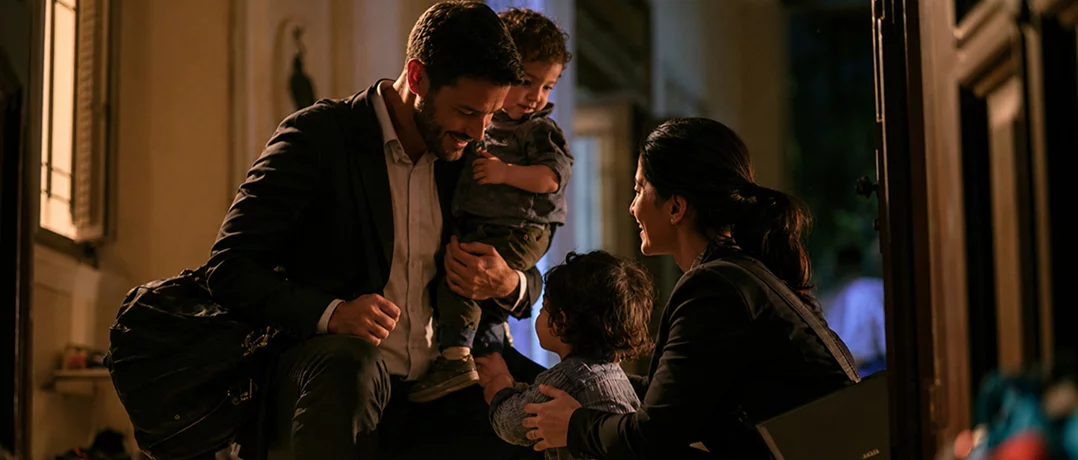
Ask someone what makes a good parent and the answer might sound simple: love, presence, care and responsibility. But ask what makes a good mother and then what makes a good father, and the expectations can begin to look very different. Despite changing attitudes toward parenting and increasingly shared responsibilities between couples, traditional ideas about motherhood and fatherhood continue to shape how parents are expected to behave. Mothers are often associated with emotional care, nurturing and the everyday responsibility of raising a child, while fathers are more commonly expected to provide, protect and discipline. The distinction is so familiar that it can sometimes feel natural rather than socially constructed.
What makes a good mother or father?
When asked what makes someone a good mother or father, Mira initially rejected the distinction altogether. “A mother and a father are not a mother and a father without their children,” she said, arguing that both should be devoted to their children, spend time with them and remain present in their lives. For her, the qualities required of a good parent should be the same regardless of gender. Yet when the question shifted from what should be expected to what Lebanese society actually expects, her answer changed. “Our society's standards, they need from the father to provide and for the mother to do everything else,” she said. That “everything else,” she explained, stretches from household chores to children's education, clothing, behavior and upbringing.
The mother nurtures, the father provides
The father, in this traditional model, fulfils one clearly defined responsibility: providing. The mother's responsibility is harder to contain. She is not only expected to care for the child physically, but can also be treated as the person primarily responsible for their upbringing. Mira considers that division unfair. Rather than simply having a say in raising his children, she argued, a father needs to be as involved as the mother. Still, not everyone views different maternal and paternal roles as inherently unequal. Roudney initially described parenting as a shared responsibility. Both parents, he said, should know how to divide that responsibility between them and raise their child according to certain values. But when discussing emotional care specifically, he saw a distinction. “The mother has more of a role when it comes to the child's emotions,” he said. In his view, a child may turn to their mother more for emotional support, while looking to their father for support, guidance, discipline or provision. At the same time, he did not believe reversing those roles would make either person a bad parent.
Roudney's answer points to a contradiction that appeared throughout the conversations. Parenting may be described as a shared responsibility, but certain responsibilities are still instinctively assigned to one gender. A father can be emotional and nurturing. A mother can be the primary provider or disciplinarian. Yet the traditional arrangement remains the one people may imagine first. Roger similarly associated mothers and fathers with different forms of affection. He said a mother's love is different from a father's and described fathers as generally being perceived as somewhat harsher. His own upbringing, however, did not follow that pattern.
When families break the stereotype
“My mother was the strict one,” Roger said, describing his father as less strict. His own experience complicated the idea that mothers naturally occupy the nurturing role while fathers provide discipline. He did not believe that switching those roles necessarily made either parent better or worse. The difference between what people expect from parents and what happens inside actual families raises another question: if mothers and fathers can successfully occupy either role, why are those responsibilities still so strongly associated with gender?
The expectations placed on mothers are not necessarily limited to completing more physical tasks. Mothers can also carry greater responsibility for decisions, discipline and emotional care. Talia believed the fundamental requirements of being a good parent should be the same for mothers and fathers. Both should be involved in important decisions concerning their children rather than leaving one parent to carry that responsibility alone. She pointed to her own family dynamic, where her mother could become “the bad guy” because she was the parent saying no. Rather than one parent making a decision and sending the child to the other for the final answer, Talia argued that parents should reach decisions together. For her, parenting should ultimately be “50/50.” That includes emotional care. When asked whether her future husband would be equally responsible for emotionally nurturing their children, her response was immediate: “Yeah, of course. Shu bas ana?” or, “What, only me?”
When fathers are praised and mothers held to a standard
If both parents are equally responsible for raising a child, the standards used to judge them do not always reflect that equality. A father who cooks for his children, changes diapers, attends school events or knows the details of their daily routines may be considered particularly involved. Those same responsibilities are more readily treated as ordinary parts of motherhood. This creates a different threshold for what constitutes exceptional parenting. Tasks that can demonstrate a father's involvement may simply demonstrate that a mother is fulfilling what is expected of her. But traditional expectations can also restrict fathers. Defining a good father primarily through his ability to provide can reduce fatherhood to financial responsibility while treating emotional intimacy as secondary. Fathers may be expected to demonstrate love through provision, authority or protection rather than vulnerability and emotional care. The result is not simply a higher standard for one parent and a lower standard for another. It is two different standards that shape what each parent is expected to be.
Across the interviews, traditional ideas about parenting existed alongside a desire for greater equality. Even when certain qualities were associated more strongly with mothers or fathers, reversing those roles was not considered evidence of bad parenting.A nurturing father is still a good father. A strict mother is still a good mother. A woman providing financially while a man takes on more emotional responsibility does not inherently make either of them less capable parents. The division, then, may have less to do with what mothers and fathers can do and more to do with what society has become accustomed to expecting from them.
What makes a good parent?
The interviews ultimately return to the same qualities: presence, care, responsibility, guidance and involvement. If those qualities are necessary regardless of whether the parent is a mother or father, the distinction between a “good mother” and a “good father” may be becoming less useful. Parenting does not necessarily become equal because every responsibility is divided perfectly in half. Families can divide work differently depending on circumstances, personalities and needs. But those differences do not have to be determined by gender. A mother does not become less of a mother because she provides financially rather than occupying the more nurturing role. A father does not become less of a father because he is emotionally expressive rather than the disciplinarian. Perhaps the question, then, is no longer what makes a good mother or what makes a good father but it is simply what makes a good parent.
