



From one-click checkout to buy-now-pay-later services, modern digital systems are being designed to make spending faster, easier, and harder to resist.
The economics of impulse

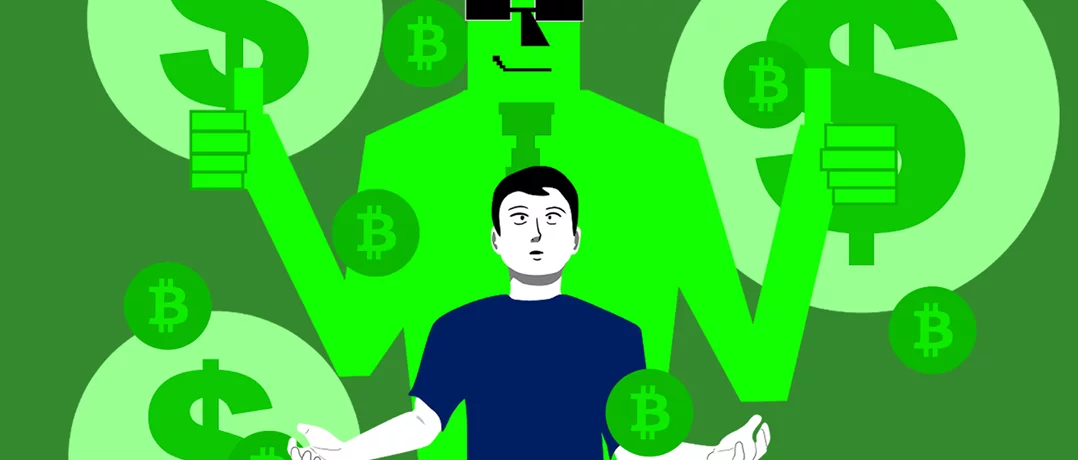
Illustration by Karim Dagher
Across the digital economy, consumption is becoming faster, easier, and harder to interrupt. The global buy-now-pay-later payment market is expected to reach $509.2 billion in 2026, according to a January 2026 Research and Markets report, highlighting the rapid expansion of financing systems designed to make spending feel faster and more manageable. At the same time, companies are investing in technologies that once removed the small pauses that slowed purchasing decisions. Features such as one-click payments, algorithmic recommendations, and biometric authentication now allow consumers to move from desire to purchase in seconds.
That acceleration matters because behavioral economists have long argued that friction plays an important role in self-control. Even minor obstacles such as entering payment details, traveling to a store, or waiting before making a purchase can create opportunities for reconsideration. Researchers from the University of Michigan recently described this broader shift as “frictionless consumption,” arguing that digital markets are becoming optimized around immediacy rather than deliberation.
The implications extend well beyond convenience alone. Economists and consumer psychologists are now examining whether digital systems designed to maximize engagement and spending may also contribute to rising household debt, compulsive purchasing behavior, and weaker long-term decision-making. As platforms continue to mediate how people shop, eat, watch entertainment, and manage money, the economics of impulse are becoming central to the modern digital economy.
The commercial logic of frictionless consumption
Modern digital commerce is built around minimizing effort. What once involved multiple conscious decisions can now happen almost automatically through stored payment systems and personalized algorithms.
Researchers examining digital marketplaces argue that this is not simply a technological evolution toward efficiency. A 2024 paper published in Behavioural Public Policy found that many online shopping environments deploy “dark patterns,” interface designs intentionally structured to push consumers toward impulsive or financially disadvantageous decisions. These include countdown timers, scarcity alerts, hidden cancellation processes, and preselected subscriptions that create psychological pressure to act quickly.
The paper argued that such systems are particularly effective because they exploit predictable cognitive vulnerabilities rather than relying solely on consumer preference. Recommendation algorithms strengthen that dynamic further by tailoring products and promotions around individual behavioral data.
The economic incentives behind those systems are substantial. Digital platforms profit when users remain engaged longer, make purchases more frequently, and encounter fewer opportunities to reconsider spending decisions. Convenience therefore becomes more than a customer service feature. It becomes a revenue strategy.
Debt at the speed of a click
The rise of buy-now-pay-later (BNPL) services offers one of the clearest examples of frictionless consumption entering household finance. Instead of delaying purchases until consumers have sufficient funds, these systems divide transactions into smaller installments that often appear psychologically manageable.
According to a working paper published by the National Bureau of Economic Research (NBER) in 2025, offering BNPL options increased sales by approximately 20 percent. Consumers with a higher risk of default were found to be two to three times more responsive to the payment option than lower-risk consumers, suggesting the systems may exert their strongest influence on financially vulnerable populations.
The NBER researchers also found that 60 to 70 percent of the sales increase came from the “extensive margin,” meaning entirely new customers making purchases they otherwise would not have completed. The remaining increase came from existing consumers spending more than they originally intended.
Researchers argue that installment-based payment systems reduce what behavioral economists call the “pain of paying,” the psychological discomfort associated with parting with money. When costs are fragmented into smaller payments, purchases often feel less financially significant even when overall spending rises.
The financial risks associated with that model are becoming more visible. In its Q1 2025 earnings report, the Swedish fintech company Klarna reported $136 million in credit losses as more consumers struggled to repay BNPL obligations amid mounting household financial pressure. The broader concern is not simply rising consumer debt, but the speed and ease with which debt can now be accumulated through embedded digital finance systems.
The expansion of continuous consumption
The removal of friction now extends far beyond online shopping. Streaming services autoplay content before viewers actively decide what to watch next. Food delivery applications compress meal decisions into seconds. Social media feeds continuously refresh through personalized recommendation systems designed to maximize engagement.
Researchers are increasingly examining how those systems interact with human impulse control. A 2025 study published through the National Institutes of Health found growing evidence linking compulsive digital consumption patterns with reduced self-regulation and emotionally reactive spending behavior. The researchers argued that environments optimized around instant gratification may gradually weaken consumers’ ability to delay rewards over time.
The concern is particularly relevant among younger consumers who have grown up inside fully digital purchasing ecosystems. Many now encounter financial decisions through interfaces designed primarily around convenience, personalization, and retention rather than reflection.
A 2025 Cambridge University analysis on consumer vulnerability similarly warned that many digital systems capitalize on predictable behavioral tendencies such as impatience, fear of missing out, and decision fatigue. Those vulnerabilities become more powerful when combined with algorithmic personalization capable of identifying moments when consumers are most likely to engage emotionally or impulsively.
Reintroducing friction
At the same time, evidence suggests many consumers are attempting to push back against hyper-optimized consumption environments. Budgeting applications, intentional spending movements, and digital detox trends all reflect growing discomfort with systems designed around constant engagement.
That tension may define the next phase of the digital economy. Companies continue competing to make transactions faster and more seamless, while many consumers are searching for ways to reintroduce deliberation and control into their financial lives.
The broader debate is therefore not simply about convenience. It is about whether economies optimized around immediacy and continuous consumption can coexist with long-term financial stability and meaningful consumer autonomy. As digital systems become more predictive and personalized, policymakers and consumers alike may increasingly confront the same question. How much friction does a healthy economy actually need?
-
-

-
The Beiruter
-
