



Traditional medicine remains a vital source of care worldwide, filling critical gaps in healthcare access while increasingly gaining scientific recognition.
The global comeback of traditional medicine

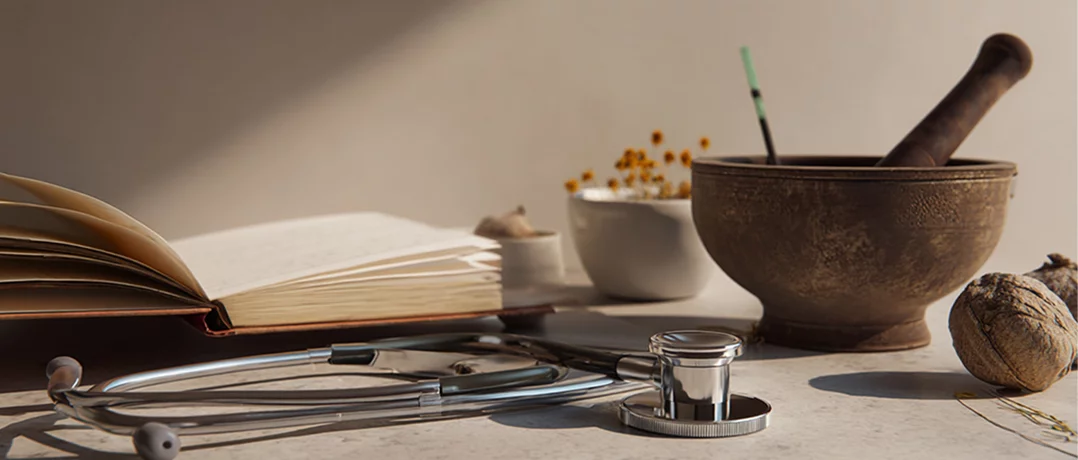
For millions around the world, modern hospitals and clinics are not the first, or even the only, option for care. According to the World Health Organization (WHO), the use of traditional, nature-based medicine is now a global reality. “With half the world’s population lacking access to essential health services, traditional medicine is often the closest or only care available for many people,” a WHO representative explains.
Traditional medicine encompasses a wide range of practices, from herbal remedies and acupuncture to massage, spiritual healing, and other culturally rooted therapies. Its continued relevance highlights a critical gap in global healthcare: access. In many rural or underserved areas, modern medicine may be too costly, too distant, or simply unavailable, leaving communities to rely on centuries-old knowledge passed down through generations.
Beyond necessity, traditional medicine carries deep cultural and psychological value. Herbs, rituals, and hands-on therapies often connect patients to their heritage, community, and sense of well-being, a dimension of care modern clinics may overlook. Studies increasingly suggest that when combined with conventional treatments, some traditional practices can complement modern medicine, easing symptoms or supporting mental health.
What science tells us
Scientific research increasingly supports the efficacy of certain traditional and alternative practices, while also highlighting the need for regulation. For instance, herbal medicine, one of the most widely used forms of traditional care has been shown to provide clinically measurable effects in treating ailments ranging from gastrointestinal disorders to hypertension. Studies published in journals such as Frontiers in Pharmacology and Phytotherapy Research have identified active compounds in plants like Ginkgo biloba, Curcuma longa (turmeric), and Withania somnifera (ashwagandha) that demonstrate anti-inflammatory, antioxidant, and neuroprotective properties.
Acupuncture, another globally recognized practice, has been extensively studied for pain management and is endorsed by WHO for over 30 conditions, including migraines, osteoarthritis, and postoperative nausea. Meta-analyses indicate that acupuncture can provide measurable reductions in pain intensity, comparable in some cases to standard pharmacological treatments.
Globally, WHO estimates that up to 80% of the population in some Asian and African countries rely on traditional medicine for primary healthcare, underscoring its practical significance. Meanwhile, the economic impact is notable: the global market for herbal and traditional medicines is projected to exceed $150 billion by 2030, highlighting both widespread adoption and investment potential.
A growing global imperative
The global reality is clear: traditional and alternative medicine are active, evolving systems of care. They fill crucial gaps in healthcare access, provide cultural and psychological support, and increasingly complement modern medicine. As WHO underscores, acknowledging, regulating, and integrating these practices is essential for a truly inclusive, global approach to health.
-
-

-
The Beiruter
-
