



As artificial intelligence drives an unprecedented surge in data center construction, countries are increasingly competing over the electricity, land, and infrastructure needed to sustain the AI economy.
The global data center wars have begun

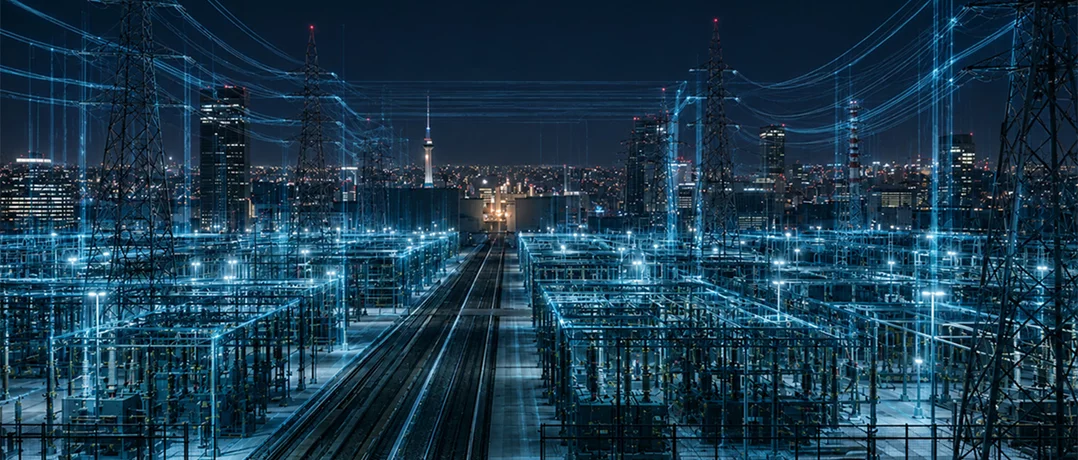
Artificial intelligence is triggering a global race to build data centers powerful enough to sustain the next generation of AI systems, placing growing pressure on the world’s electricity grids, land markets, water supplies, and industrial infrastructure. As governments, utilities, and technology companies compete to secure the resources needed to support increasingly energy-intensive AI operations, the expansion of AI is beginning to collide with the physical limits of infrastructure itself.
According to the World Resources Institute, U.S. data centers consumed roughly 4.4% of total national electricity in 2023, but that figure could rise to between 6.7% and 12% by 2030 as AI adoption accelerates. More broadly, the organization warned in 2025 that global electricity demand from data centers could reach between 325 and 580 terawatt-hours annually by 2030, with some projections far exceeding those figures if AI growth continues accelerating. At the center of this competition are the data centers themselves. Once viewed as background digital infrastructure, they are becoming strategic assets as access to electricity, cooling systems, and industrial land emerges as a defining advantage in the global AI race.
AI’s growing power demands
The scale of electricity required to sustain advanced AI systems is forcing governments to reconsider long-term energy planning. Training and operating large language models requires massive clusters of specialized chips that consume substantially more electricity than traditional cloud computing systems. As adoption expands, the infrastructure supporting AI is beginning to rival the power demands of major industrial sectors.
A 2025 Brookings Institution report, Global Energy Demands Within the AI Regulatory Landscape, warned that governments remain largely unprepared for the speed at which AI infrastructure is increasing electricity consumption globally. The report argues that AI is emerging as a major driver of future energy demand alongside electrified transport, industrial decarbonization, and population growth. Brookings also noted that if data centers approach 1,050 terawatt-hours of annual electricity consumption by 2026, the sector would rank as the world’s fifth largest energy consumer, between Japan and Russia, competing directly with entire nations for finite electricity supplies.
The competition is increasingly global. According to JLL, a global commercial real estate and investment management company, Microsoft, Google, Amazon, Meta, and OpenAI have collectively committed more than $500 billion toward the next generation of AI infrastructure through 2030, with investment increasingly flowing across Europe, Asia, and the Middle East. Gulf states including Saudi Arabia and the United Arab Emirates are investing heavily in AI infrastructure as part of broader economic diversification plans tied to sovereign wealth strategies, while European governments are attempting to expand digital infrastructure without overwhelming already strained electricity systems.
Ireland has emerged as one of the clearest examples of the pressure data centers can place on national infrastructure. Brookings reported that roughly 21% of Ireland’s electricity is already consumed by data centers, with that figure potentially rising to 32% by 2026 as AI-related demand accelerates.
The land rush
The AI infrastructure race is also transforming land markets in regions positioned near major electrical capacity. Land located near reliable sources of electricity and large power networks is becoming one of the most valuable assets in the digital economy.
JLL’s 2026 Data Center Outlook report found that demand for large-scale data center capacity continues to exceed available supply across many major global markets. The report noted that major cloud and AI companies are increasingly securing sites years in advance in anticipation of future power shortages and permitting delays. JLL research also found that projections for global data center electricity demand by 2030 range from roughly 200 terawatt-hours annually to more than 1,050 terawatt-hours, underscoring the extraordinary uncertainty surrounding the future scale of AI energy consumption.
That competition is altering industrial development patterns well beyond traditional technology hubs. In Northern Virginia, the world’s largest data center market, vacancy rates fell below 1% in 2025 as demand for AI infrastructure accelerated, according to JLL. In parts of Texas, developers are paying substantial premiums for land connected to reliable electricity infrastructure as power availability becomes increasingly constrained. Similar pressures are emerging in Dublin and Frankfurt, where grid limitations and electricity shortages are slowing approvals for new facilities even as demand for AI computing capacity continues to rise.
The race increasingly extends beyond technology companies themselves. Municipal governments are confronting difficult questions about how much land and energy capacity should be allocated toward facilities that generate enormous value but comparatively limited long-term employment.
Infrastructure pressures are intensifying
As data center construction accelerates, tensions are emerging between AI infrastructure expansion and broader urban development priorities.
The World Resources Institute warned that electricity demand growth tied to data centers could place substantial pressure on local grids and utility systems if infrastructure investment fails to keep pace. In rapidly growing metropolitan regions, utilities are already struggling to balance residential expansion, industrial development, and the electricity demands of large AI-driven data centers.
Water availability is also becoming a growing concern. Advanced AI facilities often rely on extensive cooling systems that consume large volumes of water, particularly in warmer climates where cooling needs intensify during peak electricity demand periods. In drought-prone regions, that is beginning to raise political and environmental concerns about long-term sustainability.
The pressure on infrastructure is increasingly affecting housing markets as well. In some regions, developers report that residential projects are facing delays because utility upgrades are being prioritized around large commercial energy users, including data centers.
These tensions are likely to intensify as governments simultaneously pursue electrification goals tied to climate policy. Electric vehicles, advanced manufacturing, AI infrastructure, and population growth are all competing for finite grid capacity in many parts of the world. The challenge is no longer simply building more data centers. It is determining which sectors gain priority access to increasingly constrained infrastructure systems.
The new divide
The emerging data center wars are creating a new hierarchy in the global economy centered on electricity abundance, infrastructure speed, and industrial capacity. Countries capable of rapidly expanding generation capacity, modernizing transmission systems, and streamlining industrial permitting may become disproportionately attractive destinations for AI infrastructure investment. Those unable to expand grids quickly enough risk facing growing constraints on digital competitiveness.
That shift marks a broader transformation in how the digital economy functions. For years, the internet was often discussed as something that transcended geography and physical limits. The AI era is demonstrating the opposite. Behind every chatbot, image generator, and AI system lies an enormous industrial network of power stations, cooling systems, and energy-intensive infrastructure. The global race for AI dominance is increasingly becoming a race for the physical infrastructure capable of sustaining it.
-
-

-
The Beiruter
-
