



Lebanon’s Ministry of Finance launches a new E-Payment Gateway to digitize taxes and public transactions, aligning the country with global shifts toward digital, secure, and transparent payment systems.
The global rise of e-payments

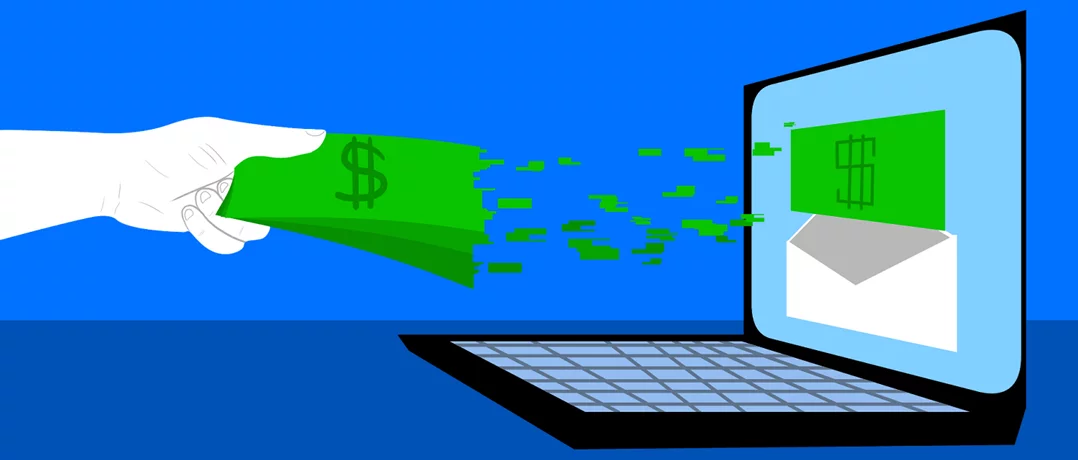
In a move aimed at modernizing Lebanon’s strained public administration, the Ministry of Finance has launched a new E-Payment Gateway designed to digitize tax and property-related transactions. The platform marks a significant step toward reducing paperwork, long queues, and discretionary bottlenecks that have long characterized dealings with public institutions.
At its core, the electronic payment gateway allows taxpayers to communicate directly with the Ministry via email and submit transactions fully online, including income tax, VAT, and various duties. Instead of navigating multiple offices and manual procedures, citizens and businesses can now complete payments and follow up on their files digitally.
By streamlining procedures and minimizing face-to-face interactions, the system aims to ease both the financial and administrative burden on citizens while accelerating processing times. More importantly, digitization introduces traceability, a factor that could help curb bureaucratic stagnation and limit opportunities for corruption by increasing transparency within the system.
Lebanon’s initiative does not emerge in isolation. It reflects a broader global transformation in the architecture of payments and public finance. Over the past decade, governments and private financial systems worldwide have shifted from cash-based and paper-heavy transactions toward fully digital ecosystems built on speed, traceability, and automation. What the Ministry of Finance is attempting domestically mirrors a much wider international movement redefining how individuals, businesses, and states exchange value.
Among the most prominent globally implemented innovations are:
1- Digital wallets (The phone as a wallet):
One of the most widely used payment methods globally, digital wallets allow users to store bank cards and make payments via smartphones or smartwatches.
Digital wallets vary worldwide, including Apple Pay and Google Wallet in the United States and Europe, Alipay and WeChat Pay in China, and Paytm in India, especially for small payments. They are used in nearly every aspect of daily life, contributing to reduced cash usage and faster transactions, particularly in the retail and transportation sectors.
2- Contactless payments:
This type of payment relies on Near Field Communication (NFC) technology or QR codes and is completed without inserting a card or physically touching a device. Examples include contactless cards in Europe, QR code systems in China and Brazil, and mobile payments in public transport systems in London and Tokyo.
Contactless payment is considered the first choice for small daily transactions due to its ease and speed.
3- Real-time payment systems:
These systems allow money transfers within seconds, 24/7, without waiting for banking business days. Examples include Pix in Brazil, which has become the country’s primary payment method; UPI in India, serving hundreds of millions of users; and Instant Payments in the European Union.
Such systems help small and medium-sized enterprises improve their cash flow.
4- Embedded payments:
Payments have become integrated into the user experience within non-financial applications, eliminating the need for separate payment gateways. Examples include ride-hailing apps like Uber, e-commerce platforms, delivery apps, and travel applications.
5- Biometric authentication payments:
This method relies on fingerprint, facial, or eye recognition instead of PIN codes. Examples include Face ID in Apple Pay, fingerprint systems in Asian payment networks, and facial recognition payment trials in China. These technologies reduce fraud risks.
6- Tokenization and data protection:
This technology replaces actual card details with a temporary digital token during payment transactions. Adopted by Visa and Mastercard and used in most global digital wallets, tokenization enhances data security and reduces the risk of breaches.
7- Stable digital currencies as a payment method:
Stablecoins linked to the US dollar or euro have begun to be used for payments, particularly in international transfers. Examples include USDC and USDT in e-commerce and remittances. The use of stablecoins among cross-border companies reduces international transfer costs and speeds up transactions compared to traditional systems.
8- Artificial intelligence in payment systems:
AI has become an essential component of payment systems, particularly in fraud detection and user behavior analysis. For example, Visa and Mastercard use AI-driven anti-fraud systems, which enhance security and improve user experience.
Between innovation and security, speed and cost efficiency, and the near-total reduction of cash usage in developed countries, electronic payments have become one of the key drivers of global economic growth. This presents enormous opportunities for countries that successfully keep pace with this transformation, prompting central banks to adapt to rapid technological developments by regulating this sector.
-
-

-
The Beiruter
-
