A practical guide to safely storing, reheating, and handling food leftovers to prevent food poisoning and reduce waste.




A practical guide to safely storing, reheating, and handling food leftovers to prevent food poisoning and reduce waste.

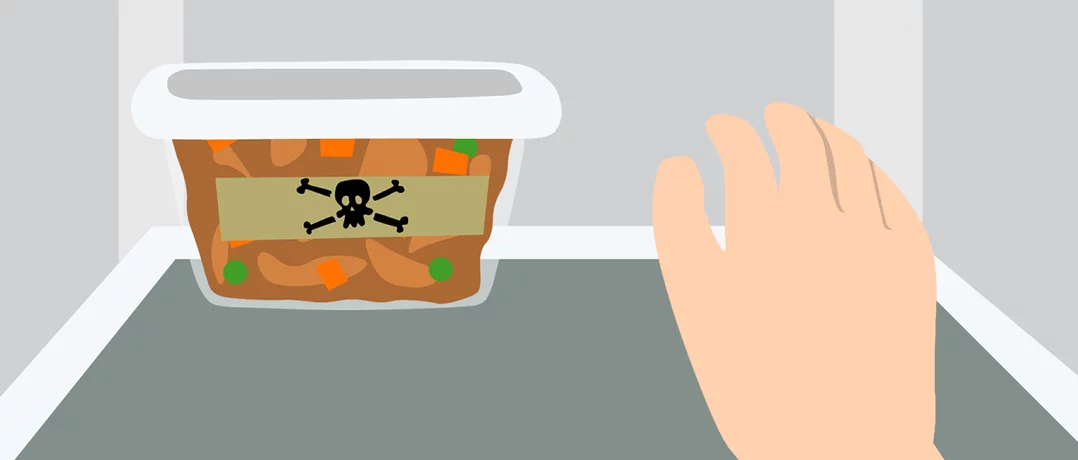
In a world increasingly reliant on fast food and dining out, food leftovers remain an inseparable part of daily life. Whether from a homemade lunch or an unfinished restaurant meal, leftovers offer an opportunity to save money and reduce food waste. Yet, if not handled properly, they can quickly become a health risk. The issue is not only about storing food, but also how it is stored, how long it is kept, and how it is reheated.
Studies show that a large percentage of food poisoning cases are linked to improper handling of cooked food, particularly when it is left at unsafe temperatures or reheated inadequately. Raising awareness about food leftovers safety is therefore no longer a luxury, but a necessity in every household.
Food safety begins at the cooking stage. Meals should be cooked to a safe internal temperature capable of eliminating harmful bacteria. Using a food thermometer is especially recommended when preparing meat and poultry.
Red meat, such as beef and lamb, should reach at least 63°C and rest for a few minutes before serving. Ground meat is more vulnerable to contamination and should be cooked to 71°C. Poultry, including chicken and turkey, should reach a minimum of 74°C. Undercooked food not only fails to kill bacteria, but may also allow them to survive and multiply later, particularly if the food is stored improperly.
Temperatures between 4°C and 60°C are known as the “danger zone,” the ideal environment for bacterial growth. Leaving cooked food at room temperature for too long is therefore one of the riskiest practices.
Food should be refrigerated within a maximum of two hours after cooking, or within one hour in hot weather conditions. If this time limit is exceeded, the safest option is to discard the food to avoid food poisoning. Hot foods should be kept above 60°C, while cold foods should remain at 4°C or lower, especially during gatherings and open buffets.
When storing leftovers, simply placing them in the refrigerator is not enough. Food should cool down quickly, since the longer it stays in the “danger zone,” the higher the risk of bacterial growth.
Large quantities should be divided into smaller portions and placed in shallow containers to speed up cooling. For example, a large pot of soup can be split into several smaller containers instead of cooling in one large pot. Large cuts of meat should also be divided into smaller pieces. Hot foods may be placed directly into the refrigerator or cooled beforehand using an ice-water bath.
Properly sealing leftovers is essential for maintaining both safety and quality. Airtight containers or food storage bags should be used, ensuring excess air is removed.
This not only helps prevent bacterial contamination, but also preserves moisture, prevents odor transfer inside the refrigerator, and maintains the original flavor of the food, especially during long storage periods.
Although refrigeration slows bacterial growth, it does not stop it entirely. Leftovers therefore have a limited shelf life.
Cooked leftovers should generally be consumed within three to four days when refrigerated. In the freezer, they can last for three to four months. However, food quality gradually deteriorates over time as moisture and flavor are lost. Labeling containers with storage dates is strongly recommended to avoid consuming expired food.
Thawing is one of the most sensitive stages in food handling and can lead to contamination if done incorrectly.
There are three safe methods for thawing leftovers: in the refrigerator, in cold water, or using a microwave. Refrigerator thawing is the safest method because it keeps food at a consistently low temperature. When using cold water, the food should remain in a sealed bag and the water should be changed every 30 minutes. Microwave thawing is the fastest option, but the food must be cooked immediately afterward, since some areas may begin cooking during the thawing process.
Reheating Leftovers
When reheating leftovers, food should reach at least 74°C to eliminate most bacteria that may have developed during storage.
Soups and sauces should be reheated until boiling. Food should be covered while reheating to retain moisture. In microwaves, stirring or rotating the food ensures even heat distribution. It is also recommended to let food rest for a few minutes after reheating, allowing heat to spread evenly throughout dense foods.
Refreezing: Safety vs. Quality
Many people believe refreezing food after thawing is unsafe, but the reality is more nuanced.
Leftovers may be safely refrozen if they were reheated to a safe temperature and not left at room temperature for extended periods. It is also possible to thaw only part of a frozen portion in the refrigerator, use what is needed, and refreeze the remainder without reheating it. However, repeated freezing and thawing may negatively affect food quality.
Building a Responsible Food Culture
Food leftovers safety depends not only on knowledge, but also on consistently applying these practices in daily life. Every family member, from parents to children, should understand the basics of safe food handling.
Educational institutions and media outlets also play an important role in spreading awareness by providing clear, accessible, and practical information that encourages healthier and safer habits.

