



Social media driven criticism culture is reshaping parenting, harming children’s emotional development and long-term mental health.
The high cost of constant criticism

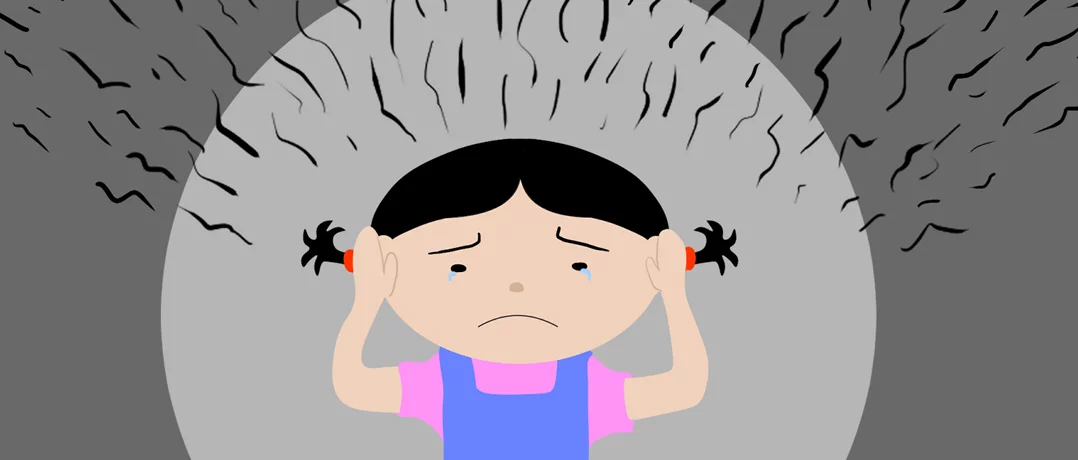
Today, more parents than ever are unknowingly raising children under a cloud of negativity, and one surprising force is helping fuel it: social media.
Across Instagram and TikTok, crisp, oversimplified parenting hacks and advice are going viral. Influencers claim that being strict is the same thing as being effective, that “soft parenting creates weak kids,” and that calling out every mistake builds resilience. Many parents already overwhelmed, stressed, and unsure absorb this narrative wholeheartedly. It feels authoritative and disciplined. But neuroscience says the opposite.
The brain under fire
Psychology says that constant criticism does not make children stronger, it rewires their brains for survival. Instead of developing curiosity and confidence, a child exposed to chronic disapproval develops an overactive stress response system. In simple terms, their brain learns to live in fight or flight.
MRI studies show that the areas responsible for emotional regulation, memory, and decision-making become more reactive in chronically criticized children. Their nervous system grows up waiting for the next attack, even when none is coming. What looks like laziness becomes paralysis. What looks like attitude becomes anxiety.
The social media misinformation loop
In past generations, parenting mistakes came mostly from cultural norms or inherited behaviour. Now, misinformation comes packaged in aesthetically pleasing videos, delivered by “experts” who often have no training but speak with absolute authority.
Parents are being told:
“If you don’t criticize your child, you’re raising a narcissist.”
“Kids need to feel shame to learn discipline.”
“You should correct everything, or it becomes a habit.”
It is a culture that confuses criticism with guidance, shame with discipline, and fear with respect. Many parents, trying to avoid raising “entitled children,” end up raising anxious ones.
The silent wounds
A child who grows up under constant criticism internalizes a simple message: I am the problem. Low self-esteem becomes the lens through which they view every achievement and failure.
Anxiety and depression take root early, fed by years of bracing for the next negative comment.
Relationships become complicated terrain; closeness feels dangerous, vulnerability feels risky.
These effects stretch far into adulthood. The voice of a critical parent becomes the voice inside their head.
Breaking the cycle
Healing begins with recognition. When adults begin to connect the dots between childhood criticism and their current fears, insecurities, relationship struggles, or emotional reactions, they reclaim control. They stop treating their coping mechanisms as flaws and begin treating them as old survival strategies.
Parents, too, can break the cycle by shifting from criticism to guidance, from “What’s wrong with you?” to “What can we learn from this?”
Over time, the nervous system recalibrates. The inner voice softens. Safety returns. Children don not need perfect parents. But they do need parents who understand the weight of their words. In an era dominated by viral misinformation and performative parenting styles, the truth remains simple and unchanged: A child’s brain grows where it is watered. Criticism may shape behaviour in the moment, but connection shapes a human for life.
In the journey of life, childhood is the foundation: soft, impressionable, and absorbent. It is the period when the brain is wiring itself for the world ahead. But what happens when that foundation is shaped not by security, encouragement, and connection, but by constant criticism?
-
-

-
The Beiruter
-
