



Lebanese cuisine reflects the Mediterranean diet, supporting heart health, digestion, and long-term wellness.
The mediterranean diet, served the Lebanese way
The mediterranean diet, served the Lebanese way
By The Beiruter | January 13, 2026

Reading time: 3 min
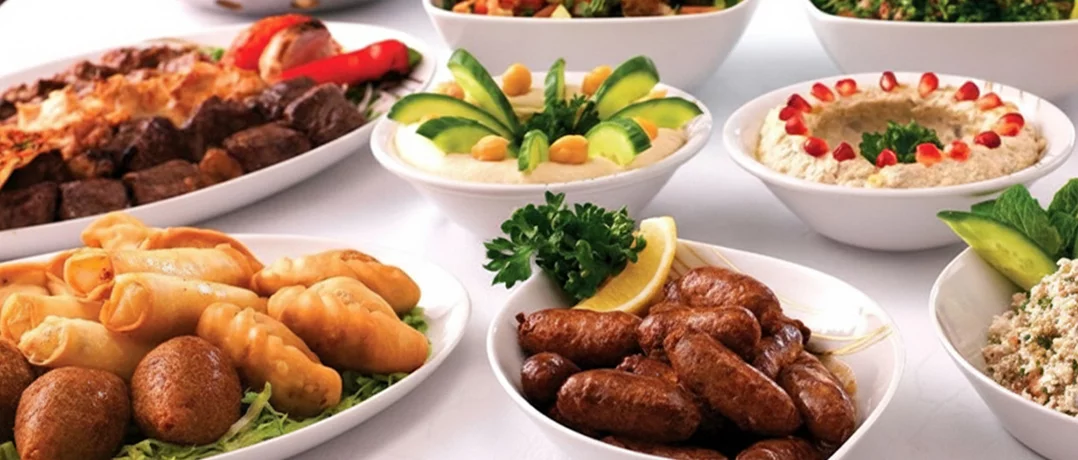
Olive oil instead of butter. Lentils and vegetables rather than processed meats. These simple choices lie at the heart of the Mediterranean diet, one of the most widely endorsed eating patterns in modern public health.
Defined by its emphasis on vegetables, whole grains, legumes, olive oil, and fish, the Mediterranean diet has been consistently linked to lower rates of heart disease and chronic illness. Nutritionists and public health institutions around the world promote it not as a rigid regime, but as a sustainable way of eating grounded in everyday habits.
This philosophy, however, is hardly new. It has been practiced for generations across the Mediterranean basin. Among those traditions, Lebanese cuisine is often cited as one of the most faithful real-world expressions of the Mediterranean diet, alongside those of Greece, Turkey, Morocco, and Spain. What makes Lebanese food align so closely with this model is not trend or theory, but structure: how meals are built, how ingredients are combined, and how balance is maintained.
A diet rooted in plants and healthy fats
According to Maya Haddad, Chief Dietician at Mount Lebanon Hospital, the foundation of the Mediterranean diet lies in its emphasis on plant-based foods and its avoidance of highly processed ingredients and saturated fats.
“The Mediterranean diet underlines vegetables, fruits, beans, lentils, and nuts, and prioritizes plant sources more than animal sources,” she explained. Healthy fats, particularly extra-virgin olive oil and nuts are central, while red meat is limited and often replaced by legumes.
To maximize its benefits, Haddad advises cutting processed foods and reducing sugar, saturated fat, and trans fats. Doing so, she said, supports heart health, improves digestion, regulates blood pressure, lowers cancer risk, and strengthens gut health.
These principles are not imported ideas in Lebanon; they are embedded in everyday cooking. Dishes such as tabbouleh and fattoush showcase a wide range of vegetables, while eggplant- and lentil-based staples like mujaddara and batinjan are naturally rich in fiber and antioxidants.
Why Lebanese cuisine fits the Mediterranean model
Clinical dietician Abir Abou Rjeily describes Lebanese food as “one of the healthiest cuisines in the world due to its foundation in the Mediterranean diet.”
Because Lebanese meals combine vegetables, legumes, whole grains, lean proteins, and healthy fats such as olive oil, she said, they deliver high levels of fiber and antioxidants while remaining low in saturated fat and sugar. The result is a pattern of eating that supports heart health, digestion, and overall wellness .
Vegetables including mint, tomatoes, cucumbers, eggplants, and leafy greens play a central role, providing vitamins, fiber, and antioxidants. Chickpeas, lentils, and beans supply plant-based protein, while whole grains such as bulgur appear in dishes like tabbouleh and kibbeh. Olive oil, she added, is used generously as the primary fat.
Animal proteins are present, but carefully balanced. Grilled chicken, such as shish taouk, and omega-3-rich fish are common, while lamb and goat are eaten more occasionally. Dairy products like laban are used in moderation.
A cuisine built on balance
Several Lebanese dishes illustrate the Mediterranean diet’s core principles. Tabbouleh made from parsley, mint, tomatoes, onions, lemon, and olive oil is “packed with vitamins, fiber, and antioxidants,” Abou Rjeily said. Fattoush, with its mix of greens and vegetables dressed in lemon, sumac, and olive oil, offers a similarly nutrient-dense profile.
Cold mezze also plays a key role. Hummus and baba ghanoush provide plant protein, fiber, and healthy fats, while mujaddara a simple combination of lentils and rice offers what Abou Rjeily described as “complete plant protein and fibers” .
What ultimately distinguishes Lebanese cuisine, she concluded, is not any single ingredient, but the way meals are composed. “Our Lebanese cuisine and Lebanese dishes naturally create a balanced meal focusing on whole and minimally processed ingredients,” she said. “They promote heart health, good digestion, and give us energy, so they perfectly align with a Mediterranean-style diet.”
At a time when the world is increasingly searching for sustainable, preventive approaches to health, Lebanese food offers a living example of how centuries-old culinary traditions can still point the way forward.
-
-

-
The Beiruter
-
