



Eating disorders often function as psychological coping responses shaped by trauma, cultural pressure, and underlying mental health conditions.
The mind beyond the mirror

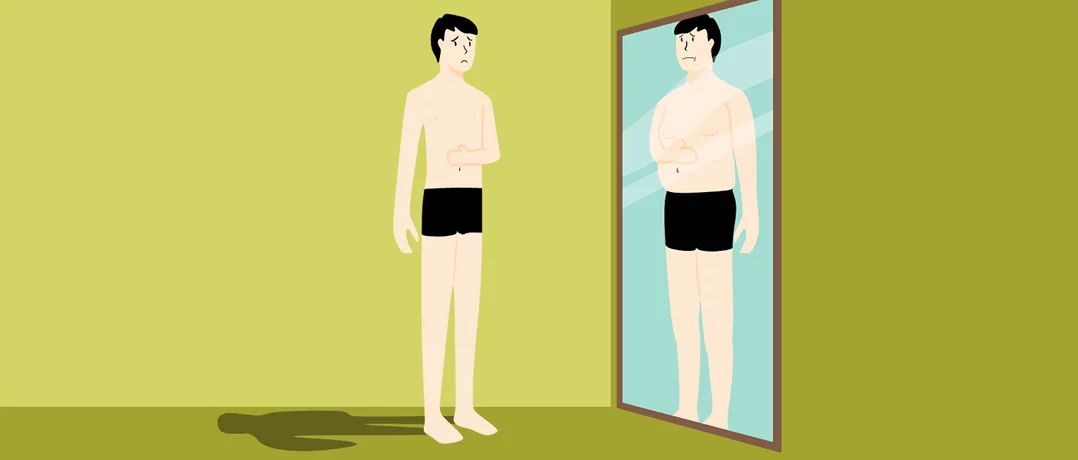
Eating disorders are often viewed through the lens of food and body image, but beneath the surface lies a complex interplay of psychological, emotional, and societal factors. While public awareness has grown, the inner workings of the mind of someone struggling with an eating disorder remain widely misunderstood. These conditions frequently serve as coping mechanisms, offering a sense of control in the face of unresolved trauma, stress, anxiety, or depression.
The Weight of Cultural Messaging
Modern society inundates individuals with messages about food, body shape, and health that can significantly influence eating behaviors. Cultural narratives often assign moral value to food, labeling choices as “good,” “bad,” “clean,” or “healthy”, which can distort perceptions of self-worth and perpetuate unhealthy habits.
Social media amplifies these pressures, presenting curated and digitally altered images as standards of beauty while normalizing body shaming and spreading nutrition misinformation. This environment fosters a narrow ideal of health and beauty, often marginalizing the diversity of body shapes and sizes that exist in reality.
Recognizing the Signs
Eating disorders can be subtle, thriving in secrecy and making early identification difficult. Hallmarks include restrictive eating, ritualistic food behaviors, compulsive exercise, secretive eating, sudden or unexplained weight changes, obsessive body checking, and negative self-talk about appearance. Detecting these patterns requires attentive observation and sensitive dialogue, as even simple questions about eating habits and body perception can uncover significant struggles that might otherwise remain hidden.
Perfectionism and unresolved trauma frequently hinder the path to recovery. Individuals may set unattainably high standards for themselves, often rooted in past experiences that have not been fully processed. Cultural obsession with thinness reinforces the notion that smaller bodies equate to better health, further complicating efforts to recover. In reality, the relationship between body size and health is multifaceted, and recovery involves reshaping deeply ingrained beliefs about self-worth and physical appearance.
The Role of Coexisting Mental Health Conditions
Eating disorders rarely exist in isolation. Conditions such as depression, anxiety, obsessive-compulsive disorder, PTSD, and ADHD often co-occur, complicating treatment and requiring a holistic approach. Addressing these underlying mental health issues is essential, as untreated symptoms can consume an individual’s energy and focus, leaving little room for progress in eating disorder recovery. Successful treatment plans integrate strategies for both disordered eating and co-occurring psychiatric conditions, combining therapeutic support with, when appropriate, medical intervention.
The support of health care providers plays a pivotal role in helping individuals navigate recovery. Effective care is individualized, focusing on building trust, validating experiences, and fostering self-esteem. Clinicians must confront their own biases around weight and body size to provide empathetic, nonjudgmental guidance. Tailored approaches not only target harmful eating behaviors but also enhance coping skills, enabling patients to manage stress and emotional triggers in healthier ways.
Toward a Deeper Understanding
Eating disorders are far more than struggles with food, they are reflections of complex psychological landscapes shaped by trauma, societal pressures, and mental health challenges. Recovery requires an integrated approach that considers the individual as a whole, addressing both the mind and body while dismantling harmful cultural narratives. Greater awareness and nuanced understanding of these conditions can lead to more effective support, helping those affected reclaim a sense of control, identity, and well-being.
-
-

-
The Beiruter
-
