

Betaine, found in foods like beets and spinach, mimics exercise’s anti-aging benefits by reducing inflammation and boosting metabolism, immunity, and cognition
The molecule that turns back the clock

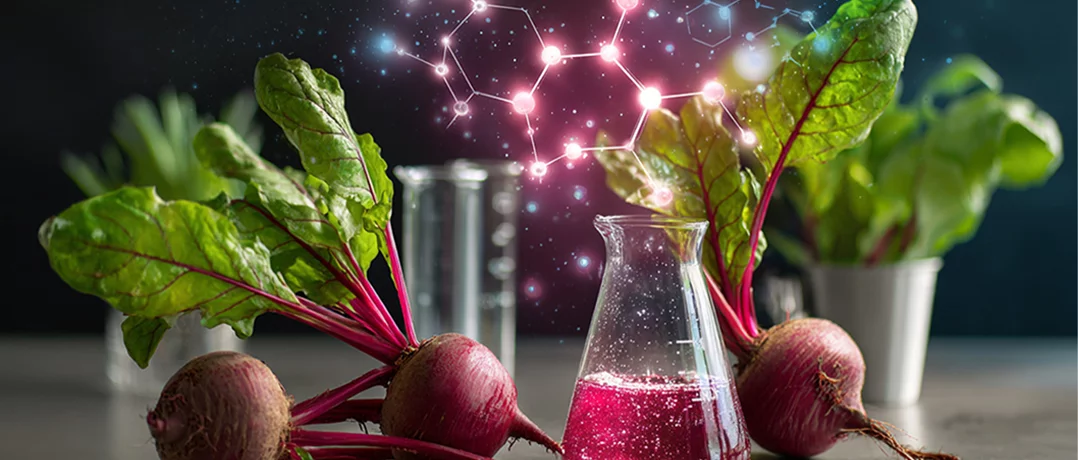
A naturally occurring molecule, betaine, can mimic many of the anti-aging benefits of exercise, from boosting cognition to calming inflammation. Produced in the kidneys and found in foods like beets and spinach, betaine floods the body with protective signals that rejuvenate immune cells, regulate metabolism, and reduce chronic inflammation, offering a surprising shortcut to some of exercise’s effects.
The kidney at the heart of longevity
The study followed 13 healthy men over six years, observing how short-term runs and long-term endurance training affected their bodies (Chinese Academy of Sciences and Xuanwu Hospital Capital Medical University). Using advanced multiomics analysis of genes, proteins, metabolites, and gut microbiota, the researchers found that the kidneys act as a command center for exercise’s anti-aging cascade.
During sustained training, kidneys release large amounts of betaine, coordinating signals throughout the body that stabilize DNA, enhance immune function, and balance metabolism. This kidney-betaine pathway appears to be a crucial factor in why regular exercise protects against age-related decline.
Understanding the exercise paradox
While a single intense workout temporarily triggers stress and inflammation, long-term training restores balance and strengthens the body. Regular exercise improves gut bacteria, increases antioxidant defenses, and even reverses certain age-related changes in T cells. Betaine production, powered by the enzyme CHDH in the kidney, is central to this adaptive process.
In experiments, betaine supplementation alone reproduced many of the benefits of sustained training, including improved metabolic health, enhanced cognition, and reduced inflammation, without the temporary stress of an intense workout.
How betaine reduces inflammation
Betaine directly targets inflammation by binding to TBK1, a key enzyme that drives chronic inflammatory pathways. By suppressing TBK1 and downstream IRF3/NF-κB activity, betaine helps silence “inflammaging,” the persistent low-grade inflammation associated with aging. This molecular insight explains the “exercise paradox”: while short-term activity triggers temporary stress, the kidney-betaine system activated by long-term training promotes overall youthfulness and resilience.
Implications for healthy aging
While exercise remains the gold standard for maintaining health and longevity, the discovery of betaine’s central role offers a deeper understanding of how physical activity protects the body. It also highlights how naturally occurring molecules in our bodies and foods can harness the same pathways, reinforcing the connection between lifestyle, nutrition, and longevity. By studying betaine and its effects, scientists hope to unlock further strategies for supporting healthy aging without diminishing the benefits of moving, stretching, and staying active.
-
-

-
The Beiruter
-
