



Breakthrough cancer drugs, precision diagnostics, and next-generation immunotherapies unveiled in 2026 are reshaping treatment and improving patient outcomes across multiple cancers.
The most significant cancer breakthroughs to date
The most significant cancer breakthroughs to date
By The Beiruter | June 08, 2026

Reading time: 3 min
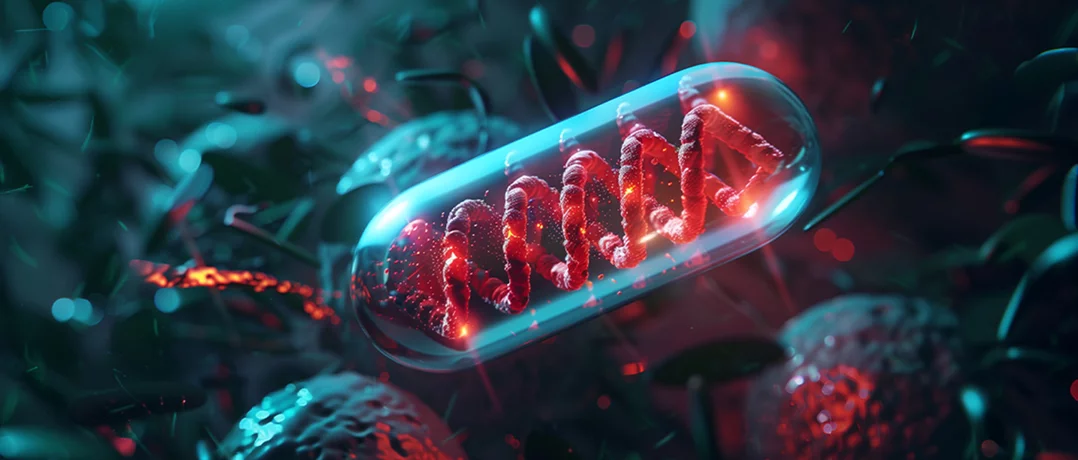
In the span of the first few months of 2026, oncology crossed several thresholds that researchers had been chasing for decades. At the 2026 American Society of Clinical Oncology (ASCO) Annual Meeting in Chicago, attended by more than 44,000 oncology professionals, three landmark phase III trial results were presented that experts are calling among the most consequential in years. Combined with a wave of earlier approvals and emerging therapies, the picture of cancer treatment is changing faster than at any point in history.
The "undruggable" gene: Daraxonrasib and pancreatic cancer
Perhaps the single most dramatic result of 2026 concerns one of the deadliest and most stubborn cancers: pancreatic. The disease kills roughly 50,000 Americans every year, and approximately 90% of patients carry a mutation in the KRAS gene, a protein so structurally elusive that researchers labeled it "undruggable" for more than four decades.
That label is now history. Revolution Medicines' oral drug daraxonrasib, presented in a phase III trial called RASolute 302, cut the risk of death by 60% compared with standard chemotherapy in patients with metastatic pancreatic cancer who had received one prior line of treatment. Median overall survival jumped from 6.7 months on chemotherapy to 13.2 months on the drug, nearly doubling patient survival. The auditorium at ASCO's plenary session responded with a standing ovation.
What sets daraxonrasib apart from earlier, narrower KRAS inhibitors is its breadth: the drug targets the active, "switched-on" form of RAS proteins across multiple mutation types, meaning physicians do not need to screen patients for a specific genetic subtype before prescribing. It also carried a more tolerable side-effect profile than chemotherapy, with fewer severe adverse events. The FDA has already granted daraxonrasib Breakthrough Therapy and Orphan Drug designations, and an expanded access program opened in May 2026, allowing eligible patients outside clinical trials to begin receiving the drug while a formal approval application is fast-tracked.
Genomic testing in breast cancer
The second breakthrough from ASCO 2026 arrives not as a new drug but as a powerful case for precision medicine, specifically, evidence that a commercially available genomic test can safely spare the majority of high-risk breast cancer patients from the ordeal of chemotherapy.
The OPTIMA trial demonstrated that two-thirds of patients classified as high-risk for early-stage hormone-receptor-positive breast cancer could skip chemotherapy altogether when guided by the Prosigna genomic test, with no compromise to their outcomes. This is a profound quality-of-life advance. Chemotherapy carries serious side effects, fatigue, nausea, immune suppression, long-term organ damage, and the OPTIMA findings confirm that genomic profiling can reliably identify who truly needs it and who does not. The test is commercially available now, and oncologists can begin applying these findings immediately.
A dual-action immunotherapy in lung cancer
The third landmark result of the year involves a new class of drug that rethinks how immunotherapy works. Ivonescimab, developed by Akeso, is a first-in-class bispecific antibody that simultaneously blocks two separate pathways tumors exploit to survive: PD-1, which cancer cells use to hide from the immune system, and VEGF, which tumors use to grow their own blood supply. Previously, these were two separate drugs. Ivonescimab combines both functions in a single molecule.
In the HARMONi-6 phase III trial, ivonescimab plus chemotherapy outperformed a standard-of-care PD-1 inhibitor plus chemotherapy in patients with advanced squamous non-small cell lung cancer, one of the hardest-to-treat forms of the disease. The survival curves continued to separate over the 21-month follow-up period, suggesting a durable benefit. Crucially, the drug worked even in patients whose tumors expressed very little PD-L1, the protein typically used to predict who will respond to immunotherapy, broadening its potential reach considerably.
Other major advances in 2026
The breakthroughs extend well beyond ASCO's headline sessions. Earlier this year, the FDA granted breakthrough therapy designations to sevabertinib and zoldonrasib for specific mutations driving non-small cell lung cancer, further expanding the toolkit of targeted therapies available to oncologists.
In blood cancers, a new class of drugs called menin inhibitors, which target a genetic mechanism responsible for roughly 40% of acute myeloid leukemia (AML) cases, recently received regulatory approval, representing the first new targeted options for a cancer that has long resisted innovation. Researchers are now testing these inhibitors in combination with other agents in hopes of further improving outcomes.
Meanwhile, the broader integration of artificial intelligence into cancer care is accelerating detection and diagnosis. Liquid biopsies, blood tests that detect cancer DNA shed by tumors, are increasingly being used to catch recurrence earlier and to guide therapy choices without invasive procedures. Early data on GLP-1 receptor agonists, the same class of drugs used for weight loss and diabetes, also suggest a potential role in lowering cancer incidence, particularly for obesity-related malignancies, a connection researchers are now investigating more systematically.
A new era, with caveats
The picture emerging from 2026 is one of genuine momentum. Cancers that once had no viable targeted treatment, pancreatic cancer chief among them, now have drugs that are meaningfully extending life. Diagnostic tools are preventing unnecessary suffering. And immunotherapy is evolving from blunt instruments into precision-guided molecules.
As cancer research advances at an unprecedented pace, new drugs are offering patients more targeted, effective, and personalized treatment options than ever before. While challenges remain, these breakthroughs mark a significant step toward improving survival rates and transforming the future of cancer care.
-
-

-
The Beiruter
-
