Trauma is not just psychological, it is a biological imprint that reshapes the brain’s structure, memory, and emotional regulation.




Trauma is not just psychological, it is a biological imprint that reshapes the brain’s structure, memory, and emotional regulation.

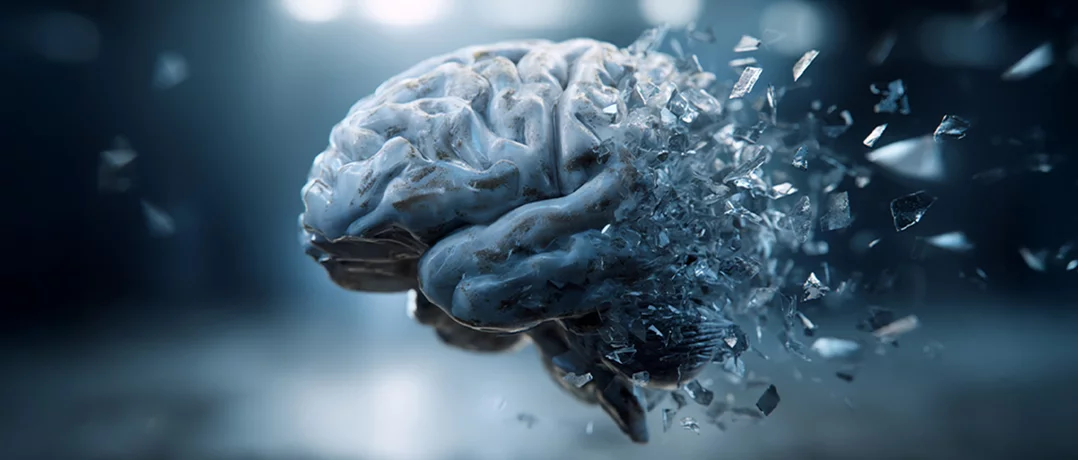
Trauma has always been treated as a wound of the mind, something to be processed, talked through, and eventually filed away in the past. But emerging neuroscience is rewriting that understanding in profound ways. Trauma, it turns out, is not merely a psychological experience. It is a biological one. It reshapes the very architecture of the brain, altering how we feel fear, how we form memories, and how we regulate our own emotions. Understanding these changes is not just an academic exercise, it is essential to how we treat, support, and ultimately heal those who carry the invisible weight of traumatic stress.
According to the National Institute of Medicine, when a person encounters a life-threatening or deeply distressing event, the brain does not simply record the experience and move on. Instead, it mobilizes. The amygdala, a small, almond-shaped region deep within the brain responsible for processing fear and emotional salience, surges into overdrive. It sends alarm signals throughout the nervous system, triggering the release of stress hormones including cortisol and norepinephrine. Heart rate climbs, muscles tense, and attention narrows to the perceived threat. This is the survival response working exactly as it was designed to. The problem emerges when the threat passes but the brain does not return to its baseline. In individuals who develop post-traumatic stress disorder (PTSD), the amygdala remains hyperactive long after the danger has gone, scanning the environment for threats that are no longer there, responding to benign stimuli as though they carry mortal weight.
A car backfiring becomes a gunshot. A raised voice becomes an assault. The brain, in its effort to protect, has become its own source of suffering.
Under normal circumstances, the prefrontal cortex, the brain's rational, executive center, acts as a brake on the amygdala. It evaluates whether a perceived threat is real, modulates emotional responses, and allows for considered decision-making. In people who have experienced severe trauma, however, this regulatory system is often compromised. Neuroimaging studies consistently show reduced activity in the prefrontal cortex among individuals with PTSD, which helps explain why trauma survivors can find it so difficult to "think their way" out of a panic response.
The rational brain, quite literally, has less influence over the emotional one.
Perhaps nowhere is trauma's biological footprint more striking than in its effects on memory. The hippocampus, a seahorse-shaped structure central to learning, context, and the formation of new memories, is acutely vulnerable to sustained stress. Prolonged exposure to cortisol can suppress the growth of new neurons in the hippocampus and damage existing ones, impairing the brain's ability to encode and retrieve information in an organized, coherent way.
This disruption explains one of the most disorienting features of traumatic memory: its fragmentary nature. Rather than being stored as a coherent narrative that can be recalled and placed in the past, traumatic memories are often encoded as isolated sensory fragments, a smell, a sound, a flash of image, that intrude involuntarily into consciousness. The brain does not experience these as memories of a past event. It experiences them as the event itself, recurring in the present. This is the neurobiological mechanism underlying flashbacks.
The timing of trauma matters enormously. The developing brain is particularly sensitive to stress. Childhood exposure to severe or chronic adversity can alter the trajectory of brain development itself, shaping the stress-response systems in ways that persist into adulthood. Individuals who experienced early-life trauma show elevated risks not only for PTSD, but for depression, anxiety disorders, and a range of physical health conditions, a testament to how deeply the biological and psychological are intertwined.
The most encouraging insight from modern neuroscience is also the most important: the brain is not static. Neuroplasticity, the brain's capacity to reorganize, adapt, and form new connections, means that trauma's biological imprint is not permanent. Certain therapeutic approaches and treatments have been associated with measurable increases in hippocampal volume, reduced amygdala reactivity, and improved prefrontal regulation. The earlier intervention begins, the more favorable the outcome tends to be. Trauma is not a character flaw, nor a failure of willpower. It is a biological injury. And like all injuries, with the right care, it can be treated.

