

Thanksgiving shapes American political life, fostering civic unity, cultural reflection, and leaders’ engagement with communities
The politics behind America’s Thanksgiving

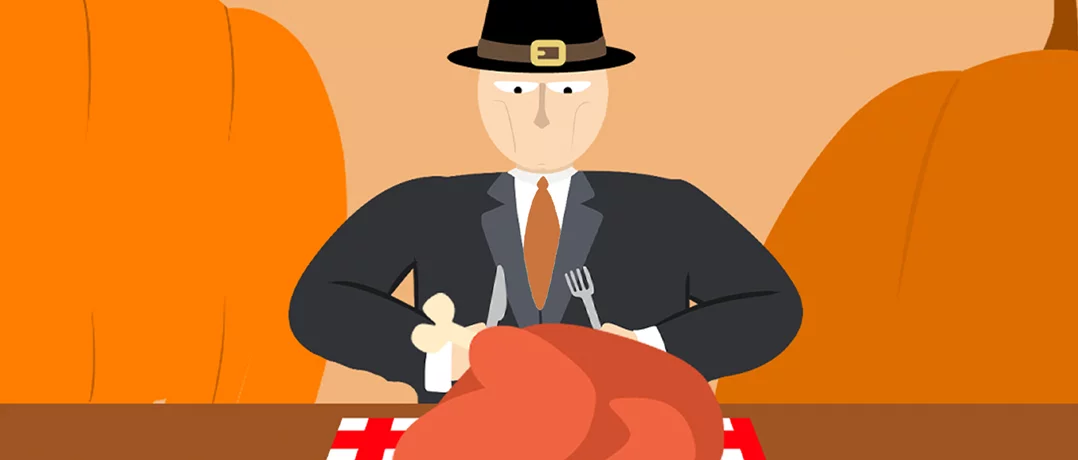
Thanksgiving may be best known for its gatherings and traditional meals, but its influence extends far beyond holiday tables.
The day has long served as a cultural and political touchpoint in the United States, shaping how leaders communicate, how campaigns connect with the public, and how citizens reflect on their role in society.
Rooted in historical symbolism yet continually evolving, Thanksgiving provides a unique lens for understanding the relationship between national identity and political life.
Historical roots and early political meaning
The origins of Thanksgiving trace back to the 1621 Plymouth gathering, often depicted as a moment of cooperation between English settlers and Native Americans.
While this narrative ignores the complex and often troubled political dynamics that followed, it highlights the holiday’s early association with ideas of unity and shared purpose. These themes were later amplified when President Abraham Lincoln declared Thanksgiving a national holiday in 1863.
With the nation divided by civil war, Lincoln used the occasion to promote healing and reinforce a collective American identity. His proclamation set a precedent for Thanksgiving as a civic tool, one that leaders could use to remind the country of its shared values during turbulent times.
Thanksgiving as a platform for civic unity and political messaging
As the country grew, Thanksgiving became a yearly opportunity for political leaders to shape national sentiment. Presidential addresses often emphasize reflection, resilience, and common ground, serving as informal evaluations of the country’s challenges and hopes.
Even traditions like the presidential turkey pardon, formalized in the mid-20th century, carry political symbolism. The President pardons 2 Turkeys at the White House each year, with the tradition beginning Rhode Island farmer Horace Vose sent a turkey to Washinton, only to become an official annual tradition with the George H.W. Bush administration. The light-hearted gesture allows presidents to show approachability and reinforces the human side of public leadership.
Beyond the White House, Thanksgiving inspires community engagement through food drives, volunteer work, and charitable efforts, reinforcing the idea that civic responsibility is woven into American cultural life. Family gatherings also create space for political conversations, which research shows can strengthen civic awareness, especially among younger generations.
Campaign strategies and modern dynamics in the digital age
Thanksgiving has increasingly become a strategic moment within political campaigns.
Candidates use the holiday season to emphasize empathy, family values, and local engagement; qualities voters tend to find reassuring and relatable. Participation in community meals, parades, and charity events allows politicians to present themselves in a more personal light. In campaign messaging, themes of gratitude, fairness, and solidarity often dominate to align with the holiday’s tone.
In the digital era, the holiday’s influence has grown even stronger. Social media enables politicians to share Thanksgiving messages, highlight community service, and raise awareness about issues like hunger or inequality. Advocacy groups also harness this moment for outreach. Yet the online space can introduce tension, sometimes amplifying polarization and overshadowing the holiday’s unifying intent.
-
-

-
The Beiruter
-
