



Valentine’s Day has become a global economic season, where spending defines romance from record outlays in the US and Europe to modest, calculated celebrations in crisis-hit Lebanon.
The price of love: Between hearts and dollars
The price of love: Between hearts and dollars
By Jessica Habchy | February 14, 2026

Reading time: 5 min
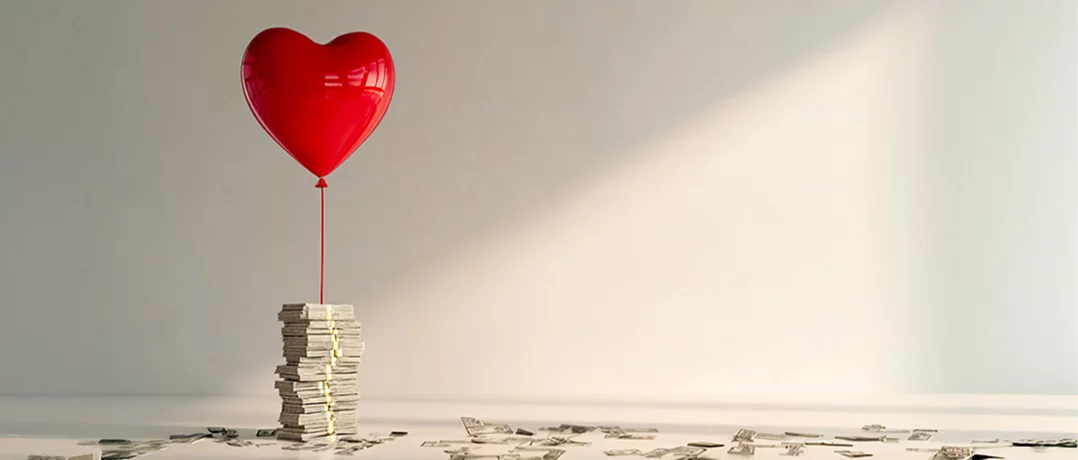
Around the world, lovers await February 14 to express their feelings in deep and different ways, yet expressing love on Valentine’s Day comes with a specific price. A rose has a cost, dinner has a bill, and a gift requires a budget, as Valentine’s Day has, over the years, transformed from a simple romantic moment into a distinctly commercial occasion expected to generate millions of dollars across markets and sectors.
In Lebanon, some citizens celebrate the occasion in their own way, while traders await the day to achieve significant profits in the name of love and to compensate for slower months, especially after major holidays. So how much does Valentine’s Day cost this year in Lebanon? And which sectors are most anticipating the occasion?
Valentine’s dining & nightlife
For the restaurant and nightlife sector, Valentine’s Day is one of the most important economic seasons, as February 14 turns into a consumption driver with reservations reaching record levels.
Tony Ramy, head of the Syndicate of Restaurant, Café, Nightclub, and Pastry Shop Owners, told The Beiruter:
“Preparations are in full swing to make this day successful on all levels. It is not only a celebration for lovers, but a celebration of life in Lebanon.”
He adds:
“Many restaurants will offer à la carte service, while others will provide special fixed Valentine’s menus. Nightclubs are organizing high-end artistic events despite all the challenges,” stressing that “prices this year suit all budgets.”
The Beiruter surveyed restaurant prices and found that Valentine’s dinner per person starts at $70 and reaches around $150, including a multi-course meal, open drinks, and themed desserts, with some restaurants also preparing special musical programs.
As for nightclubs, the atmosphere will be more vibrant, with top Lebanese performers hosting events, especially in Beirut. Prices start at $80 per person and can exceed $400 in some venues.
In this context, Opra Beirut General Manager Joseph Andraos told The Beiruter about the importance of Valentine’s Day for the nightlife sector, which awaits the night every year just like New Year’s Eve and major holidays, when venues fill up and generate large revenues. He revealed that reservations are already full, noting that Arab and Gulf visitors account for 40 percent of bookings.
Guest houses await the day
Alongside restaurants and hotels, guest houses hold an important place in Lebanon’s Valentine’s Day scene, having become a preferred option in recent years for those seeking a quieter, more intimate experience. Instead of a quick dinner in a crowded city, many choose to spend a full night in mountain or rural houses offering special packages including dinner, breakfast, and room decoration with flowers and candles.
Ramzi Salman, head of the Lebanese Guest House Syndicate, told The Beiruter that the sector awaits Valentine’s Day every year after January, when business slows following Christmas and New Year holidays. He confirmed that demand rises noticeably in February, with occupancy rates reaching 50 to 70 percent.
Prices remain competitive: for example, one guest house in Chouf offers a package including one night with dinner and breakfast for $400 for two people, while the average room rate is around $200 for that night, making it less expensive than some major hotels and more private than restaurants, and an ideal option for couples seeking a different experience.
How much for a rose?
The red rose remains the most requested and sold gift for Valentine’s Day. Flower shops in Lebanon have decorated their storefronts in red since early February hoping to attract customers.
According to industry sources speaking to The Beiruter, Lebanon relies heavily on imported flowers to meet demand, particularly during peak seasons such as Valentine’s Day and Mother’s Day. Between 70 and 80 percent of flowers sold in the Lebanese market are imported due to limited local nursery production. The Netherlands is the primary supplier, followed by Turkey, Ecuador, India, and other countries.
Yolande Youssef, owner of a flower shop in Brummana, says:
Since the economic crisis, demand for flowers during Valentine’s Day has dropped significantly. Normally the average price of a rose is around two dollars, but in winter, especially during Valentine’s, prices double or more, and premium roses may exceed eight dollars.
She adds:
“Today, the rose is often just an addition to the main gift. Given the difficult conditions, most customers now buy only one rose,” noting that Valentine’s Day ranks third in sales after Mother’s Day and weddings.
A market tour showed that a dozen roses starts at $40 and exceeds $100 in some stores. Customers can add wine, chocolate, or balloons, raising the cost of floral gifts to over $1,000 as shown on some online store pages.
The most expensive gift this year
Jewellery and gold have always been among the most popular Valentine’s gifts, but this year comes amid record-high global gold prices. With the ounce reaching unprecedented levels, purchasing jewellery has become significantly more expensive, pushing some traders to offer small heart-shaped silver pieces as alternatives, especially as silver prices have also risen.
Naïm Rizk, head of the Syndicate of Gold and Jewellery Traders in Lebanon, explained to The Beiruter:
“In the past, when gold was $45 per gram, people bought large pieces exceeding 10 grams. Today, with price fluctuations and limited supply of coins and ounces, many traders prefer to keep their stock, while customers request very light pieces of one, two, or three grams.”
Sector insiders confirm demand has not disappeared but has become more selective and calculated. Gold has shifted from a symbolic gift to a financial decision: a two-gram Valentine’s gift in Lebanon may cost more than $260, with gold starting at $130 per gram and exceeding $150 in some shops.
Other ways to say “I Love You”
The Valentine’s shopping guide is not limited to roses and jewellery. Other options exist at lower cost.
A The Beiruter survey found some resorts offering special packages: two hours of spa treatment in a Jal El Dib resort costs $160 for two people, including couples massage and relaxation services.
Chocolate stores offer products starting from $15 for a small box and exceeding $150 for large assortments.
For symbolic gifts, small gift shops offer greeting cards starting at $5, red accessories like mugs priced between $15 and $40, balloons starting at $7 and arrangements exceeding $100, and the classic red teddy bear ranging from $10 to more than $80 for large sizes. Valentine’s gifts also include cosmetics, perfumes, clothing, and other items that can start at just $20.
Love beyond the bill
In the end, Valentine’s Day in Lebanon is not merely a social occasion but a short yet impactful economic moment touching multiple sectors at once. From flower and jewellery shops to restaurants, nightlife venues, guest houses, gift stores, and confectioneries, February 14 brings a seasonal demand the market counts on, even if only for a few days.
Despite differences in purchasing power, options remain available for all budgets, with gifts starting at around $5 and reaching far higher amounts depending on type. Economically, what matters most is that Lebanese people still choose to allocate part of their spending to love and joy in a country where daily priorities compete. Valentine’s Day thus becomes more than an emotional moment, a conscious choice to spend on meaning rather than necessity, and proof that the desire for life and love remains stronger than crises.
-
-

-
Jessica HabchyJournalist
Focusing on economy and social affairs.
-
