



In an interview with The Beiruter, energy expert examines Lebanon’s electricity challenges, energy reforms, and structural sector weaknesses.
The reality behind Lebanon’s power concerns

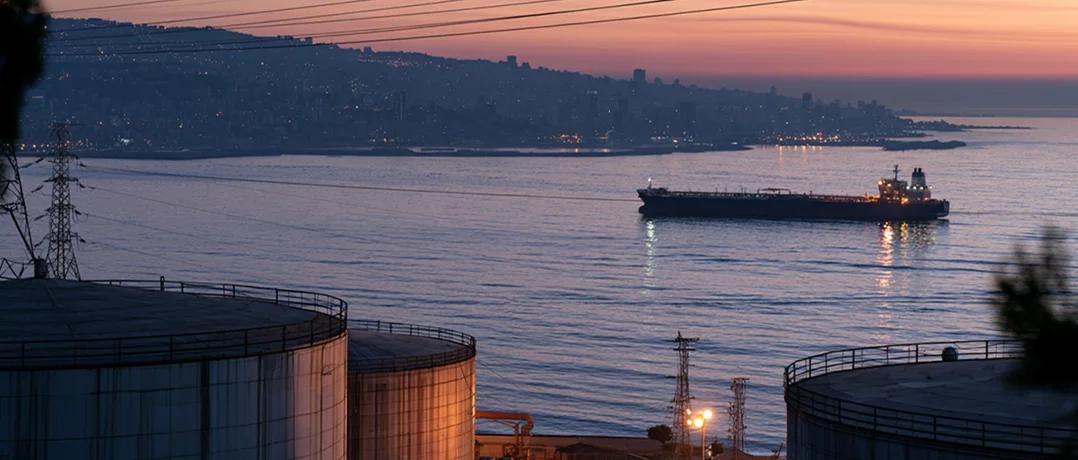
Public anxiety has recently resurfaced in Lebanon over fears of renewed fuel shortages and even prolonged electricity outages. Rising global oil prices, regional instability, and reports surrounding delayed fuel shipments have fueled speculation that the country may once again face an energy crisis reminiscent of previous years.
However, according to attorney at law and energy expert Christina Abi Haidar, the current situation is considerably more nuanced. In an interview with The Beiruter, Abi Haidar stressed that Lebanon is not confronting an immediate nationwide fuel or electricity collapse. Rather, the country’s energy sector continues to struggle with long-standing structural deficiencies that have been exacerbated by war, declining public revenues, higher international fuel prices, and years of mismanagement.
Electricity and fuel supply are two separate issues
Abi Haidar highlighted that electricity generation and gasoline imports must be analyzed independently.
Fuel used by Electricité du Liban (EDL) to operate power plants follows a different procurement mechanism from gasoline imported for vehicles. While concerns over both sectors intensified simultaneously, the underlying causes are not identical.
“The importation of fuel for electricity generation is different from importing gasoline for private consumption,” she explained, cautioning against merging the two debates into a single narrative of an impending national energy crisis. Understanding this distinction is essential for accurately assessing the current situation.
Why concerns about electricity have increased
According to Abi Haidar, the recent concerns surrounding electricity stem primarily from financial rather than logistical problems.
A major policy shift introduced under the current Minister of Energy ended the long-standing practice of financing EDL through treasury advances. Instead, the utility is now expected to sustain itself using only the revenues it collects from electricity bills. This represents a significant departure from decades of state subsidies that placed enormous pressure on Lebanon’s public finances.
However, shortly after this reform was implemented, Abi Haidar identified two major developments that undermined EDL’s financial position.
First, the conflict between the United States (U.S.) and Iran increased global oil prices, affecting fuel oil, diesel, gasoline, and other petroleum products. Since Lebanon imports nearly all of its fuel requirements, higher international prices immediately translated into higher procurement costs.
Second, the recent war in Lebanon substantially reduced EDL’s revenue collection. Many residents in heavily affected areas (including parts of southern Lebanon, Beirut’s southern suburbs, and sections of the Bekaa Valley) either became exempt from electricity payments because of war-related destruction or simply stopped paying bills altogether. Combined with longstanding electricity theft and unpaid accounts, these losses significantly reduced the utility’s income.
Abi Haidar explained that the result is straightforward: EDL now collects fewer U.S. dollars while simultaneously facing much higher international fuel prices. Consequently, the utility can no longer purchase the same fuel quantities it previously could, making financial constraints (not fuel availability) the central challenge.
Moving away from treasury financing
Abi Haidar viewed the Ministry of Energy and Water’s decision to discontinue treasury advances as an important structural reform despite its short-term financial consequences.
For decades, electricity subsidies represented one of the largest burdens on Lebanon’s public finances, requiring billions of dollars in government support. Ending this system forces EDL to operate within its actual financial capacity instead of relying on continuous state borrowing.
She also noted another significant policy change: Lebanon has effectively ended its dependence on Iraqi fuel supplied under deferred payment arrangements. Although the Iraqi agreement helped sustain electricity generation in recent years, Lebanon accumulated more than one billion dollars in unpaid obligations. Continuing the arrangement would have only expanded the country’s debt without addressing the underlying weaknesses of the electricity sector.
Today, EDL relies almost exclusively on purchasing fuel cargoes on the international spot market using available cash resources.
Fuel shipments and the recent controversy
Public concern intensified after reports questioned whether recently arrived fuel shipments had been unloaded before completing laboratory quality testing.
Abi Haidar dismissed allegations suggesting the fuel might be unsafe or substandard. She explained that unloading fuel before laboratory analysis is an operational measure intended to save valuable time during periods of urgent electricity demand.
The fuel remains unusable until laboratory testing confirms compliance with contractual specifications. If testing determines that the shipment fails to meet the required standards, Abi Haidar stated that Lebanon has the contractual right to reject and return the cargo to the supplier without imposing financial losses on either EDL or the Lebanese treasury.
From her perspective, unloading first while testing simultaneously is a practical solution that minimizes unnecessary delays and helps prevent avoidable electricity shortages during peak summer demand.
The continuing burden of private generators
While Lebanon has avoided a nationwide blackout, the country’s electricity system remains heavily dependent on private diesel generators. Because EDL currently provides only approximately 3 to 4 hours of electricity per day, households and businesses continue relying on generator operators for most of their electricity needs.
However, rising international diesel prices have substantially increased generator operating costs. Abi Haidar noted that although the Ministry of Energy and Water regularly publishes official electricity tariffs for private generators, some operators charge significantly higher prices or impose electricity rationing to limit customer consumption. In some cases, electricity prices have reached nearly $1 per kilowatt-hour, placing enormous financial pressure on Lebanese households.
She argued that stronger regulatory enforcement is now essential. While the Ministry of Energy establishes official pricing schedules, the Ministry of Economy and Trade bears responsibility for monitoring compliance and ensuring generator operators do not exploit consumers through excessive pricing. Greater inspection and enforcement, she argued, would help reduce the financial burden currently carried by citizens.
Therefore, while recent policy reforms may represent important steps toward greater financial discipline, long-term stability will depend on improving revenue collection, strengthening regulatory oversight, reducing technical and non-technical losses, and implementing comprehensive electricity-sector reforms that lessen citizens' reliance on private generation.
.-
-

-
The Beiruter
-
